How to Build a Capsule Wardrobe Without Overspending
A Smarter Closet Starts With Less Noise
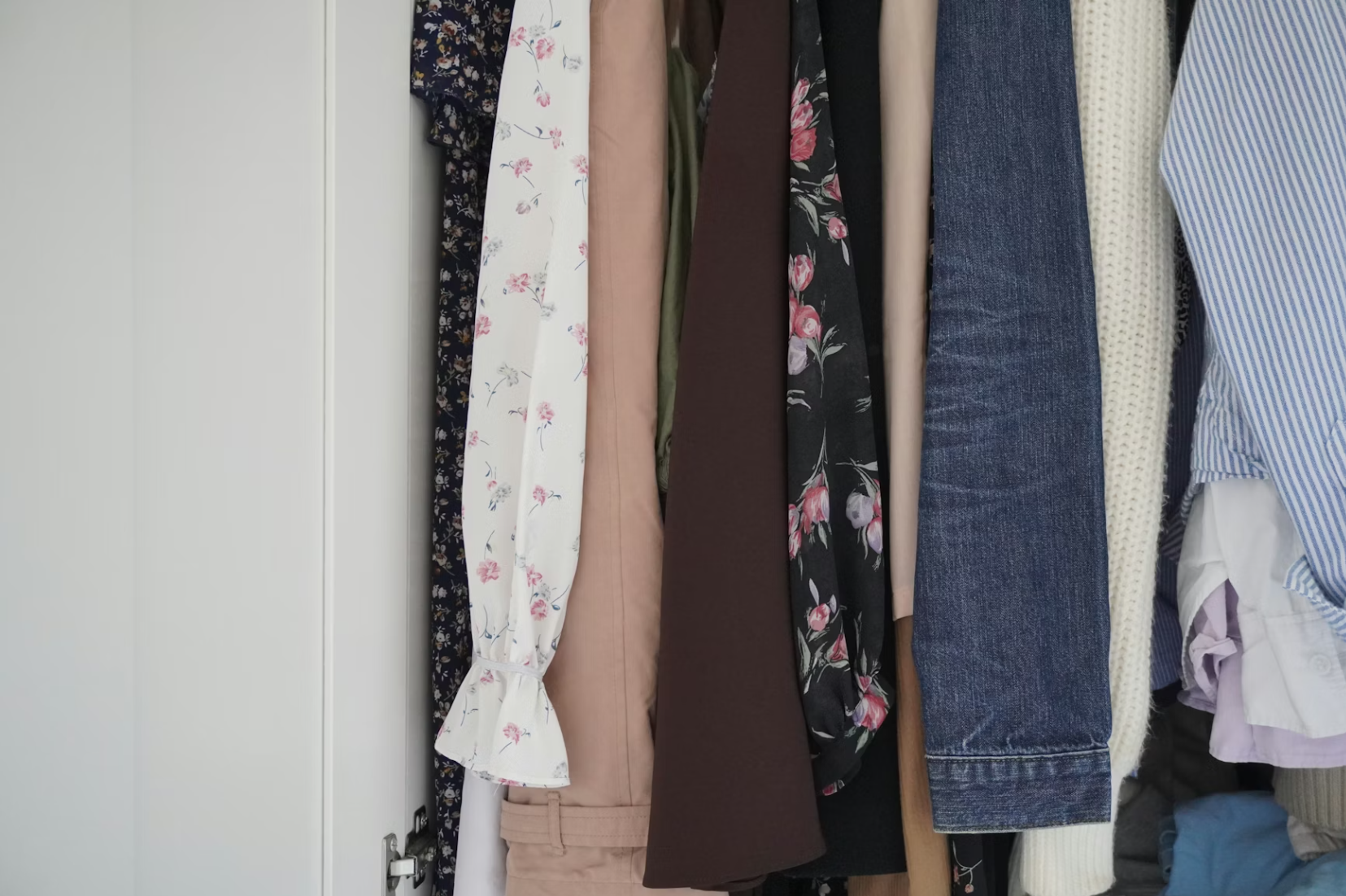
There is a certain kind of morning that feels familiar to almost everyone: the closet is full, the hangers are crowded, and yet nothing seems right. A blouse feels too formal. A pair of trousers almost works, but not with the shoes you want to wear. That dress you bought for a different version of your life still has tags attached. Before you know it, the day has barely started and your wardrobe has already made things harder.
This is exactly why the idea of a capsule wardrobe continues to appeal to so many people. It promises less clutter, easier outfits, and a calmer relationship with shopping. But there is one problem: building a capsule wardrobe can quietly become another expensive project if you approach it the wrong way.
A true capsule wardrobe should save money, not drain it. It is not about replacing everything you own with matching beige basics. It is not about buying a complete new closet from a curated online list. At its best, a capsule wardrobe is a thoughtful collection of clothes that suit your real life, your taste, your body, and your budget.
The goal is not to own less just for the sake of owning less. The goal is to own better for the way you actually live.
What a Capsule Wardrobe Really Means
A capsule wardrobe is a streamlined selection of clothing that can be mixed and matched easily. Most pieces work with several others, which means you can create more outfits with fewer items. Instead of opening your closet and seeing dozens of disconnected purchases, you see a set of clothes that cooperate.
Think of it like a well-edited menu. A good menu does not need endless options to feel satisfying. It simply needs the right balance: reliable staples, a few interesting details, and enough variety to suit different occasions. Your wardrobe works the same way.
A capsule wardrobe usually includes everyday tops, bottoms, layers, shoes, and accessories that share a common color palette or style direction. The exact number of items does not matter as much as how well they function together. Some people are comfortable with 25 pieces. Others may need 50 or more because of work, climate, family life, or hobbies.
The most important question is not “How many pieces should I own?” It is “How many pieces do I actually wear, enjoy, and need?”
It Is Not About Owning the Fewest Clothes
One of the biggest misconceptions about capsule wardrobes is that they require strict minimalism. This can make the process feel intimidating, especially if you enjoy fashion or live in a place with changing seasons.
A capsule wardrobe does not have to be plain. It does not have to erase personality. You can love color, prints, jewelry, denim, tailoring, sneakers, dresses, or soft knitwear and still build a practical capsule. The point is to be selective, not severe.
Overspending often happens when people try to create the “perfect” capsule from scratch. They donate too much, buy too quickly, and end up replacing useful clothing with items that look beautiful online but feel wrong in daily life. A smart capsule begins with observation, not shopping.
Before you buy anything, you need to understand what you already have.
Start With the Life You Actually Wear
The most affordable capsule wardrobe is built around your real routine. This sounds simple, but it is where many shoppers go wrong. We often buy for imaginary scenarios: the elegant brunch we rarely attend, the office wardrobe we no longer need, the vacation style we admire but never pack, or the polished version of ourselves we think we should become.
A useful wardrobe begins with your actual calendar.
Look at a normal week. How many days do you work from home? How often do you go to an office? Do you need clothes for school runs, errands, workouts, dinners, travel, casual weekends, or professional meetings? Are you mostly indoors in air conditioning, walking outside in heat, or layering for cooler weather?
Your answers should guide your wardrobe more than any trend list.
If your life is mostly casual, you do not need ten structured blazers. If you work in a formal environment, you may need more polished trousers and fewer weekend sweatshirts. If you commute on foot, uncomfortable shoes will not earn their place no matter how chic they look.
Map Your Real Weekly Activities
A helpful exercise is to divide your week into lifestyle categories. For example: work, casual errands, social plans, fitness, travel, and special occasions. Then estimate how often each category appears.
If casual dressing takes up 60 percent of your life, your capsule should reflect that. If professional outfits make up 40 percent of your week, you need enough workwear to avoid constant laundry. This prevents you from overspending on clothing that looks appealing but rarely gets worn.
A capsule wardrobe should feel like a mirror, not a mood board. It should reflect your life clearly.
Separate Aspirational Style From Practical Style
Aspirational style is not bad. It can inspire you, help refine your taste, and make getting dressed more enjoyable. The danger is buying too much for a lifestyle you do not actually live.
Maybe you love sleek monochrome outfits, but your daily life requires washable fabrics and comfortable shoes. Maybe you admire delicate silk blouses, but you dislike dry cleaning. Maybe you save images of dramatic coats, but your climate is warm most of the year.
The solution is not to abandon your taste. It is to translate it. If you like elegant style, choose machine-washable blouses, refined knit tops, or tailored trousers with stretch. If you love color, add it through scarves, tops, or bags that work with your existing neutrals. If you admire luxury styling, focus on clean fits and good fabric care rather than expensive labels.
Audit Your Closet Before You Buy Anything
The cheapest capsule wardrobe pieces are often already in your closet. They may simply be hidden behind clutter, forgotten purchases, or items that no longer fit your life.
Start by taking everything out category by category. You do not need to empty your entire closet in one dramatic afternoon if that feels overwhelming. Begin with tops, then bottoms, then dresses, layers, shoes, and accessories.
As you review each item, ask practical questions. Does it fit comfortably today? Have you worn it in the past year? Can it be styled with at least three other pieces? Does it suit your current lifestyle? Is it damaged, uncomfortable, or difficult to care for?
The Three-Pile Method
Create three groups: keep, pause, and release.
The keep pile is for pieces you wear often, love, and can style easily. These are the foundation of your capsule.
The pause pile is for items you are unsure about. Maybe they fit, but you rarely wear them. Maybe they are seasonal. Maybe they need tailoring or repair. Put these aside for a short trial period rather than removing them immediately.
The release pile is for clothing that no longer serves you. This includes items that do not fit, feel uncomfortable, are worn out beyond repair, or belong to a lifestyle you no longer have. Depending on condition, you may donate, resell, recycle, or repurpose them.
This process helps you avoid the expensive mistake of rebuying something you already own.
Identify Your Most Repeated Outfits
Your repeat outfits are full of clues. The jeans you reach for every weekend, the T-shirt that always feels right, the jacket that works with nearly everything, and the shoes you trust on busy days all reveal your true preferences.
Instead of judging yourself for wearing the same things often, study them. What makes them work? Is it the fit, color, fabric, comfort, or ease of styling? These patterns help you shop with more precision.
A good capsule wardrobe should give you more of that “this just works” feeling.
Choose a Color Palette That Does the Work for You
Color is one of the simplest ways to make a wardrobe feel more cohesive. When your colors work together, you need fewer pieces to create more outfits.
Start with two or three base neutrals. These might be black, navy, white, cream, gray, beige, denim blue, olive, brown, or charcoal. Choose colors you actually enjoy wearing and that match your lifestyle. A person who loves black and crisp white does not need to force themselves into beige. Someone who lives in denim and soft earth tones does not need a closet full of stark monochrome.
After your base colors, add one or two accent colors. These can bring personality without making the wardrobe chaotic. For example, navy, white, and denim can be softened with pale blue or burgundy. Black, cream, and gray can be lifted with red, forest green, or blush. Beige and brown can pair beautifully with rust, sage, or soft gold.
Build Around Neutrals, Then Add Personality
Neutrals are useful because they make outfit building easier. They are the quiet structure of the wardrobe. But a capsule that is only neutral can feel flat if that is not your style.
Personality can come from color, texture, shape, accessories, or prints. A striped knit, a silk-like scarf, a textured belt, a woven bag, or a pair of interesting flats can change the mood of simple basics without requiring a large wardrobe.
The key is to make sure your statement pieces still connect to the rest of your closet. A beautiful item that only works one way may cost more than its price tag suggests.
Avoid Buying One-Off Colors
One-off colors are pieces that do not match anything else you own. They often look exciting in the store but become difficult at home. You buy the bright skirt, then realize you need a new top. Then new shoes. Then a bag. Suddenly one “great find” has created a chain of extra spending.
Before buying a colorful item, imagine three outfits using clothes you already own. If you cannot create them easily, pause before purchasing.
Focus on Wardrobe Roles, Not Random Items
A capsule wardrobe works best when every item has a role. Instead of thinking, “I need more clothes,” think, “What function is missing?”
You may need a casual bottom that is not denim, a polished layer for meetings, a comfortable shoe that still looks put together, or a top that works under jackets. Buying by role prevents random shopping and keeps your wardrobe balanced.
Everyday Foundations
Everyday foundations are the pieces that support most outfits. Depending on your style, these may include plain T-shirts, knit tops, button-down shirts, jeans, tailored trousers, casual pants, simple skirts, or easy dresses.
These items do not have to be expensive, but they do need to fit well and feel comfortable. A basic that twists, clings, stretches out, or feels scratchy will not become a true foundation. It will sit in the closet while you reach for something else.
Layering Pieces
Layers add flexibility. A cardigan, denim jacket, blazer, trench coat, lightweight coat, or overshirt can help the same outfit work in different settings. Layers are especially useful because they change the tone of an outfit quickly.
A white T-shirt and trousers can feel casual with sneakers and a denim jacket, more polished with loafers and a blazer, or relaxed with sandals and a soft cardigan. One strong layer can multiply your outfit options.
Outfit Finishers
Shoes, bags, belts, and jewelry often determine whether an outfit feels finished. They can also refresh a capsule wardrobe without requiring many new clothes.
However, accessories should still be practical. A bag that is too small for your daily items or shoes that hurt after ten minutes will not serve you well. Choose finishers that support your life, not just your mirror selfie.
Set a Realistic Capsule Wardrobe Budget
A capsule wardrobe should begin with a budget, even if you plan to shop slowly. Without a budget, it is easy to justify every purchase as an “investment piece.”
Decide how much you can comfortably spend over a season, not just on one shopping trip. Then list your true wardrobe gaps in order of priority. Replace worn-out essentials first. Fill daily-life gaps before special-occasion wants.
For example, if you need work trousers, a winter coat, and casual sneakers, those should come before a trendy top you may wear twice.
Spend More Only Where It Matters
Some items are worth allocating more budget to, especially if you wear them frequently. Shoes, coats, bras, tailored trousers, denim, and bags often benefit from better construction and materials. This does not mean buying luxury. It means paying attention to comfort, durability, and cost per wear.
A pair of shoes worn three times a week for a year may offer better value than five cheaper pairs that cause discomfort or fall apart quickly.
Know Where to Save
There are also categories where you may not need to spend much. Simple T-shirts, seasonal trend pieces, casual accessories, and layering tanks can often be found at accessible prices. The key is to check fabric feel, seams, opacity, care instructions, and fit.
Saving money is not about buying the cheapest option every time. It is about matching the price to the role the item plays in your wardrobe.
Shop Slowly and Strategically
The fastest way to overspend is to build your capsule wardrobe in one weekend. A closet built too quickly often reflects a shopping mood rather than real needs.
Shop slowly. Wear what you already own. Notice what is missing. Make a list and keep it visible. When you shop, look for specific solutions rather than browsing for inspiration.
Use a Waiting List Before Checkout
Before buying something non-urgent, place it on a waiting list for a few days. During that time, ask whether it works with your color palette, whether it fills a real gap, and whether you can style it at least three ways.
This simple pause can prevent many regret purchases. If you still want the item after waiting and it fits your needs, it may be a thoughtful buy rather than an impulse.
Compare Cost Per Wear
Cost per wear is a useful way to think about value. Divide the price of an item by the number of times you expect to wear it. A 120 dollar jacket worn 80 times costs 1.50 dollars per wear. A 40 dollar party top worn once costs 40 dollars per wear.
This does not mean every purchase must be practical forever. Joy matters too. But cost per wear helps you see which items truly support your wardrobe and which ones are occasional extras.
Common Capsule Wardrobe Mistakes to Avoid
The first mistake is buying everything at once. A capsule wardrobe should evolve. You need time to understand what works, what feels missing, and what you reach for naturally.
The second mistake is copying someone else’s list. A capsule designed for a corporate office worker in a cool climate will not suit someone who works from home in a tropical city. Use guides as inspiration, not instruction.
The third mistake is ignoring fabric and care needs. If you hate ironing, a closet full of crisp linen shirts may frustrate you. If you need washable clothes, delicate dry-clean-only pieces may become expensive over time.
Another common mistake is keeping too many “almost” items. Almost fits. Almost matches. Almost feels right. These pieces create closet noise and make it harder to see what you genuinely wear.
How to Keep Your Capsule Wardrobe Fresh
A capsule wardrobe does not have to feel repetitive. The secret is making small, intentional updates rather than constant purchases.
At the beginning of each season, review your wardrobe. Store pieces that are not useful for the current weather. Bring forward the items you will actually wear. Check for repairs, missing basics, and any lifestyle changes.
Seasonal Edits
A seasonal edit helps you avoid the feeling that you need a new wardrobe every few months. Sometimes freshness comes from rearranging what you already own. A sweater you forgot about, a dress layered differently, or a jacket paired with new shoes can make familiar pieces feel new again.
Small Accessories, Big Difference
Accessories are one of the most budget-friendly ways to update a capsule. A belt can define a dress. A scarf can add color near the face. A pair of earrings can make a basic outfit feel intentional. A different shoe can shift the mood from casual to polished.
The key is to choose accessories that work across several outfits. Small pieces should still earn their space.
Build a Closet That Gives More Than It Takes
A good capsule wardrobe is not about restriction. It is about relief. It gives you fewer decisions, better outfits, and a clearer sense of what belongs in your closet. It helps you spend with purpose instead of reacting to every sale, trend, or moment of wardrobe frustration.
Start with what you own. Learn from what you wear. Define your colors. Shop for roles, not random items. Set a budget and move slowly. The best capsule wardrobe is not created by a single purchase. It is built through a series of honest, thoughtful choices.
When your wardrobe supports your real life, getting dressed becomes quieter, easier, and more enjoyable. And perhaps most importantly, your closet stops asking for more and starts giving you more from what you already have.
Conclusion
Building a capsule wardrobe without overspending is less about strict rules and more about self-awareness. You do not need a perfect closet, a luxury budget, or a dramatic style reset. You need clothing that fits your life, works together, and makes daily dressing feel simpler.
The smartest capsule wardrobe begins at home, with the pieces you already trust. From there, every new purchase should have a reason, a role, and a place. That is how a closet becomes not just smaller or neater, but genuinely better.
Frequently Asked Questions
How many pieces should be in a capsule wardrobe?
There is no universal number. Some people prefer around 30 pieces, while others need more because of work, climate, or lifestyle. Focus on whether your clothes mix well, fit comfortably, and support your daily routine.
Do I need to buy all new clothes to create a capsule wardrobe?
No. In fact, buying everything new is one of the easiest ways to overspend. Start by auditing your current closet and identifying the pieces you already wear often. Then fill only the most important gaps.
Can a capsule wardrobe include trends?
Yes, but trends should be added carefully. Choose trend-inspired pieces that still work with your existing colors, outfits, and lifestyle. Accessories are often a lower-risk way to try a trend without reshaping your whole wardrobe.
What colors are best for a capsule wardrobe?
The best colors are the ones you enjoy wearing and can style easily. Many capsule wardrobes start with neutrals such as black, navy, cream, gray, denim, brown, or beige, then add one or two accent colors for personality.
How do I stop overspending while building a capsule wardrobe?
Create a shopping list, set a seasonal budget, wait before buying non-urgent items, and check whether each piece can be worn in several outfits. Avoid buying items only because they are on sale or look good on someone else.


You May Also Like

Fashion Basics vs Trend Pieces: What Should You Buy First?

Why the Right Jeans Can Change Your Whole Outfit