Building a Wardrobe That Works as Hard as You Do
Most closets are not empty. In fact, the problem is usually the opposite. The rails are full, the drawers are crowded, and yet getting dressed can still feel strangely difficult. A top that only works with one skirt. Shoes that look beautiful but never survive a full day. A jacket that seemed perfect in the store but somehow feels wrong with everything at home.
That is where wardrobe essentials come in.
A modern wardrobe is not about owning endless clothes or chasing every trend that appears online. It is about building a thoughtful foundation of pieces that make everyday dressing easier, smoother, and more enjoyable. The right essentials act like quiet background music. They may not always be the loudest part of an outfit, but they make everything else feel more complete.
For today’s shopper, wardrobe essentials should feel practical, polished, and personal. They should work for busy mornings, casual weekends, office days, dinner plans, travel, and the ordinary in-between moments that make up real life. The goal is not to create a perfect minimalist capsule closet unless that suits your style. The goal is to own pieces that support your lifestyle instead of complicating it.
What Makes a Wardrobe Essential Today
A wardrobe essential is not simply a basic item. It is a piece you can reach for often, style in several ways, and trust to look appropriate in more than one situation. A white shirt, for example, becomes essential not because fashion editors have praised it for decades, but because it can move from work to weekend with only a change of shoes or accessories.
Modern essentials also need flexibility. Many people no longer dress for just one version of their day. A single outfit might need to handle a morning commute, a casual meeting, errands, and dinner with friends. Clothes that can adapt to these shifts naturally become more valuable.
Comfort matters too. A beautiful piece that feels restrictive, itchy, fragile, or awkward will rarely earn a permanent place in your wardrobe. The best essentials are the ones that look good and feel livable.
Start With Your Real Life, Not a Fantasy Closet
Before buying anything, look honestly at how you spend most of your week. Do you work from home? Commute to an office? Spend weekends outdoors? Attend events often? Prefer neutral outfits, soft colors, tailored looks, sporty pieces, or relaxed silhouettes?
A useful wardrobe reflects your real routine. If you rarely attend formal events, you may not need several dressy pieces. If you walk often, comfortable shoes deserve more attention than statement heels. If your climate is warm most of the year, lightweight layers may be more useful than heavy coats.
This is where many shoppers go wrong. They buy for an imagined version of themselves rather than the life they actually live. A smart wardrobe begins with self-awareness. Once you understand your habits, your essentials become easier to identify.
The Well-Fitting White Shirt
Few pieces are as quietly powerful as a white shirt. It can look crisp with tailored trousers, relaxed with denim, soft under a sweater, or elegant tucked into a skirt. The secret is fit and fabric.
A modern white shirt does not have to be stiff or overly formal. Some shoppers prefer a structured cotton button-down, while others may choose a softer blouse, an oversized poplin shirt, or a relaxed linen blend. The best choice depends on your style and climate.
When shopping, pay attention to shoulder seams, sleeve length, and how the shirt sits when tucked and untucked. A shirt that pulls at the buttons or feels too sheer may not become the reliable staple you hoped for. A slightly relaxed fit often offers more styling options and feels more current than something overly tight.
The Elevated T-Shirt
A T-shirt sounds simple, but a good one can completely change how your casual outfits look. The difference between an ordinary tee and an elevated tee often comes down to fabric weight, neckline, sleeve shape, and overall fit.
A quality T-shirt should not twist after washing, cling uncomfortably, or become transparent in daylight. It should skim the body in a way that feels easy and flattering. Crew necks feel classic, V-necks can visually elongate the neckline, and boat neck or slightly boxy cuts can add a more editorial feel.
White, black, gray, navy, and soft beige are practical starting points, but your best neutral may depend on your skin tone and existing wardrobe. A great T-shirt works under blazers, with jeans, with trousers, and beneath knitwear. It is one of the hardest-working pieces you can own.
The Perfect Pair of Jeans
Jeans are deeply personal. The perfect pair for one person may feel completely wrong for another. That is why fit matters more than trends.
Straight-leg jeans remain one of the most versatile options because they sit between skinny and wide-leg styles. They work with sneakers, loafers, ankle boots, sandals, and simple flats. A medium or dark blue wash usually feels more polished, while light wash denim leans casual and relaxed.
Look for denim that holds its shape but still allows movement. Very rigid denim can look beautiful but may not suit long days of wear. Stretch denim can feel comfortable, but too much stretch may cause sagging over time. The sweet spot is a pair that feels supportive without being restrictive.
A dependable pair of jeans can anchor countless outfits. Wear them with a white shirt for a clean classic look, a blazer for smart casual polish, or a soft knit for weekend ease.
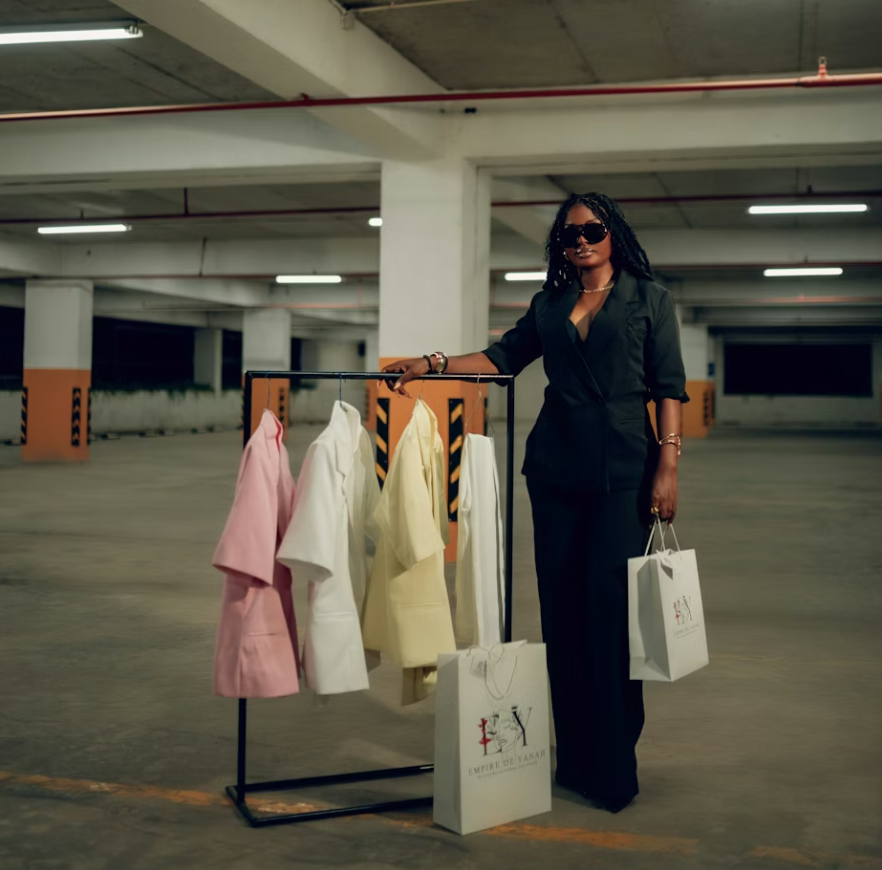
The Smart Blazer
A blazer is one of the fastest ways to make an outfit look intentional. It can turn jeans and a T-shirt into a polished look, make a dress feel sharper, or give simple trousers a more refined finish.
The modern blazer does not need to look like corporate uniform. Relaxed tailoring, softer shoulders, longer cuts, and textured fabrics can make blazers feel wearable beyond the office. Black, navy, camel, charcoal, and cream are versatile options, while checks or subtle patterns can add personality.
Fit is especially important. The blazer should sit comfortably across the shoulders and allow you to move your arms. If you prefer layering, leave enough room for a thin knit or shirt underneath. A blazer that feels too tight will stay in the closet, no matter how stylish it looked on the hanger.
A Lightweight Knit or Cardigan
A lightweight knit is the piece you reach for when the weather shifts, the air conditioning is too strong, or an outfit needs softness. It can be worn alone, layered over a shirt, draped over the shoulders, or tucked lightly into trousers.
Fine knits in cotton, merino, cashmere blends, or quality synthetic blends can all work depending on budget and care preferences. The key is choosing something that feels pleasant against the skin and holds its shape.
A cardigan offers even more flexibility because it can act as both a top and a light layer. A simple crew neck sweater feels timeless, while a slightly oversized knit creates a relaxed modern mood. Neutral colors are easy to style, but a soft seasonal shade can add freshness without overwhelming your wardrobe.
The Timeless Coat or Jacket
Outerwear often makes the first impression because it is the first thing people see. A good coat or jacket can make even a simple outfit feel complete.
The best choice depends on your climate and lifestyle. In cooler regions, a wool coat, trench coat, or insulated jacket may be essential. In milder climates, a lightweight trench, denim jacket, utility jacket, or tailored jacket may be more practical.
A trench coat remains a strong option for many shoppers because it works across casual and polished outfits. A wool coat offers elegance in colder weather. A leather or faux leather jacket adds edge, while a denim jacket brings casual ease.
When buying outerwear, consider length, weight, lining, sleeve room, and how it layers over your usual clothes. Outerwear should not only look good standing still. It needs to work while walking, commuting, sitting, and moving through the day.
The Easy One-and-Done Dress
A useful dress removes the need to coordinate separates. It is the wardrobe equivalent of a well-planned shortcut.
The most versatile dress is one that can be styled up or down. A shirt dress, wrap-style dress, knit dress, slip-inspired dress, or simple A-line silhouette can all work depending on your personal taste. The key is choosing a shape that feels comfortable and appropriate for several settings.
A good everyday dress can pair with sneakers for casual errands, loafers for daytime polish, sandals for warm weather, or a blazer for a smarter look. Avoid buying a dress only because it looks dramatic in photos. Ask whether you can sit comfortably, walk easily, and wear it more than once or twice a year.
The Reliable Pair of Tailored Pants
Tailored pants are a powerful alternative to jeans. They offer structure without feeling overly formal, especially when styled with casual pieces like T-shirts, knits, or sneakers.
Wide-leg trousers, straight-leg pants, cropped tailored pants, and relaxed pleated styles can all be useful. The best pair should sit comfortably at the waist or hips, skim the body neatly, and work with the shoes you wear most.
Black trousers are classic, but navy, camel, gray, cream, and olive can also be highly wearable. Fabric matters here. A pair that wrinkles heavily, clings awkwardly, or requires constant dry cleaning may not suit everyday life.
Tailored pants are especially useful for shoppers who want to look polished without feeling dressed up. They bring quiet sophistication to simple outfits.
Comfortable Everyday Sneakers
Sneakers have become a modern wardrobe essential because daily life demands movement. The right pair can support long days while still looking clean and intentional.
A simple white, cream, black, or neutral sneaker is usually the easiest to style. It pairs with jeans, trousers, casual dresses, skirts, and relaxed tailoring. Sleek silhouettes tend to look more versatile than heavily athletic styles, though sporty sneakers may be ideal if your lifestyle calls for them.
Comfort should be a priority. Look at cushioning, arch support, sole flexibility, and whether the shoe suits your walking habits. A stylish sneaker that causes discomfort is not truly practical.
A Polished Flat, Loafer, or Low Heel
While sneakers are essential, they cannot do everything. A polished flat, loafer, ballet flat, mule, or low block heel gives your wardrobe a smarter option for work, dinners, meetings, or occasions when you want a more refined finish.
Loafers are especially versatile because they balance comfort and structure. Ballet flats feel softer and more feminine. A low block heel can add height without the discomfort of a high heel. The best option depends on your style and the level of formality in your life.
Neutral shades such as black, brown, tan, cream, and deep burgundy tend to be easiest to wear. Pay attention to the toe shape and sole support. A beautiful shoe should still feel stable and wearable.
A Versatile Everyday Bag
A bag is both functional and visual. It carries what you need, but it also shapes the mood of an outfit.
A versatile everyday bag should match your routine. If you carry a laptop, look for structure and comfortable straps. If you prefer light essentials, a crossbody or small shoulder bag may be enough. If you move between work and personal plans, a medium tote or structured satchel can be a smart choice.
Materials, closures, compartments, and strap length all matter. A bag that looks elegant but cannot hold your daily items will become frustrating. A bag that holds everything but feels bulky may not suit your style. The best everyday bag sits comfortably between beauty and usefulness.
Simple Jewelry and Finishing Details
Accessories do not need to be dramatic to be effective. Simple jewelry, a belt, a scarf, or a pair of sunglasses can make an outfit feel complete.
A small collection of finishing pieces can go a long way. Think of small hoops, simple studs, a delicate necklace, a classic watch, a clean belt, or a silk-style scarf. These details add polish without requiring much effort.
The goal is not to over-accessorize. It is to give your outfits a sense of intention. Even jeans and a T-shirt can feel more refined with the right belt, shoes, and earrings.
Quality, Fit, and Fabric Matter More Than Quantity
A modern shopper does not need the biggest wardrobe. A useful wardrobe is built on pieces that fit well, feel good, and work repeatedly.
Before buying, check the fabric composition, care instructions, stitching, opacity, stretch recovery, and how the item feels on your body. If shopping online, read size guides carefully and compare measurements with pieces you already own.
Fit is not about chasing one ideal body shape. It is about how a garment relates to your body, your comfort, and your movement. Sometimes tailoring small details, such as pant length or sleeve length, can make an affordable piece look far more refined.
Common Wardrobe Mistakes to Avoid
One common mistake is buying too many statement pieces and not enough foundations. Statement items are enjoyable, but they become difficult to wear if you lack the quiet essentials that support them.
Another mistake is shopping only by trend. Trends can refresh a wardrobe, but they should not control it. If a trend does not suit your lifestyle, body comfort, or personal taste, it is not a smart essential for you.
Many shoppers also ignore care requirements. A delicate fabric may be beautiful, but if you dislike handwashing or dry cleaning, it may not be practical. Similarly, buying shoes without considering walking comfort often leads to regret.
Finally, avoid buying duplicates of items that do not truly work. If one black top does not fit well, buying three similar versions will not solve the problem. Look for the reason the piece fails, then shop with that lesson in mind.
How to Build Slowly and Shop With Confidence
You do not need to rebuild your wardrobe at once. In fact, slower shopping often leads to better choices.
Start by identifying the gaps that affect your daily dressing most. Maybe you have plenty of tops but no polished shoes. Maybe your jeans no longer fit comfortably. Maybe you own dresses for special occasions but nothing easy for normal days.
Choose one category at a time. Try different cuts, compare fabrics, and notice what you actually reach for. A wardrobe built gradually has room for observation, adjustment, and personal taste.
The best essentials are not chosen from a universal checklist alone. They are discovered through use. When a piece makes your mornings easier, works with several outfits, and helps you feel like yourself, it earns its place.
Conclusion
Wardrobe essentials are not about creating a strict uniform or removing personality from your style. They are about giving your closet a reliable foundation, so getting dressed feels less like a puzzle and more like a quiet pleasure.
A well-fitting shirt, an elevated T-shirt, dependable denim, tailored pants, comfortable shoes, thoughtful layers, and practical accessories can transform the way your wardrobe works. These pieces may seem simple, but simplicity is often where real style begins.
For the modern shopper, the smartest wardrobe is not the one with the most items. It is the one with the most useful ones. Buy with patience, choose with honesty, and let your essentials support the life you actually live.
Frequently Asked Questions
What are wardrobe essentials?
Wardrobe essentials are versatile clothing, shoes, and accessories that you can wear often and style in multiple ways. They usually include reliable basics such as shirts, T-shirts, jeans, trousers, outerwear, comfortable shoes, and practical accessories.
How many wardrobe essentials should I own?
There is no perfect number. A smaller wardrobe may only need a few strong essentials, while a larger wardrobe may include several versions for different seasons and occasions. The goal is to own pieces you truly wear, not to meet a fixed quantity.
Should wardrobe essentials always be neutral colors?
Neutral colors are often easier to mix and match, but essentials do not have to be limited to black, white, gray, or beige. If navy, olive, burgundy, soft blue, or warm brown fits your style better, those colors can also act as personal neutrals.
Are expensive clothes always better wardrobe essentials?
Not always. Price can sometimes reflect better materials or construction, but it does not guarantee quality or fit. A smart shopper should consider fabric, comfort, stitching, care needs, and how often the piece will realistically be worn.
How can I make a basic wardrobe feel stylish?
Use proportion, texture, accessories, and shoes to add interest. A white shirt can feel relaxed with denim, polished with trousers, or modern under a blazer. Simple jewelry, a good bag, and well-chosen footwear can also make basic outfits feel more refined.
You May Also Like
Sustainable Fashion: What Does It Really Mean for Shoppers?
How to Choose the Right Shoes for Everyday Wear Without Sacrificing Comfort or Style