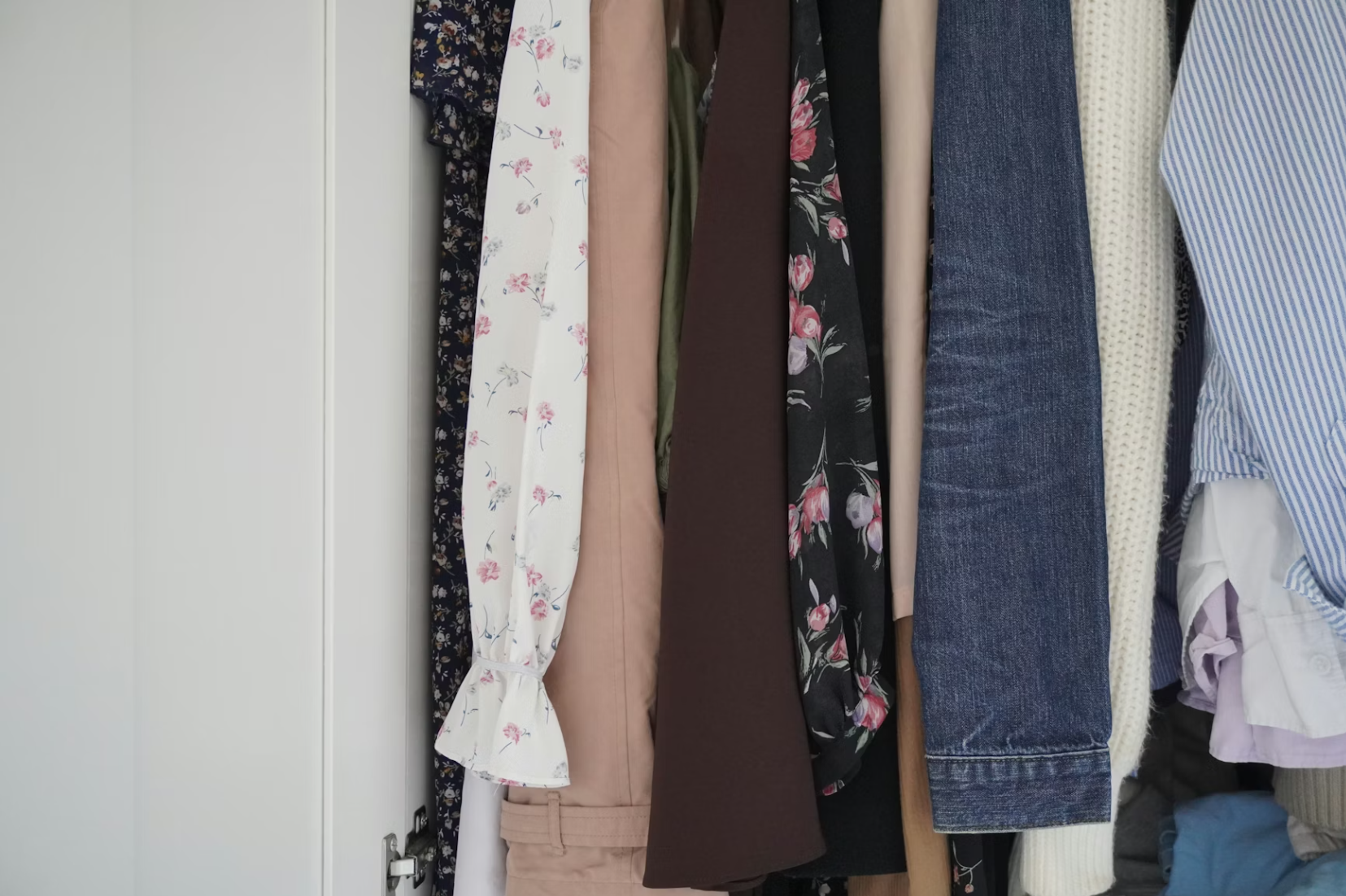
The quiet power of clothes that fit your real life
Most people do not need a completely new wardrobe. They need a wardrobe that stops arguing with their life.
You know the feeling. You open your closet on a busy morning, already thinking about emails, school drop-off, errands, a lunch meeting, or a long commute. There are clothes in front of you, maybe plenty of them, but somehow very little feels right. One top is too dressy. Another wrinkles too easily. A pair of pants looks good when standing still but becomes uncomfortable after two hours. A jacket matches nothing. The shoes are stylish but not made for the day ahead.
Choosing everyday clothing that fits your lifestyle is not about chasing every trend or buying the most expensive basics. It is about understanding how you actually live, move, work, rest, and present yourself. The best everyday clothes are quiet helpers. They make the morning easier, carry you through the day, and let you feel like yourself without demanding too much attention.
This guide will help you choose clothing with more intention, so your wardrobe becomes less of a puzzle and more of a practical, polished support system.
Start with your daily rhythm
Before thinking about colors, brands, fabrics, or trends, start with your calendar. Your lifestyle is the real foundation of your wardrobe.
A person who works from home, walks the dog twice a day, and meets friends casually on weekends needs a very different closet from someone who commutes to an office, attends client meetings, and travels often. Neither lifestyle is better. They simply ask different things from clothing.
Look at a normal week, not a fantasy version of your week. How many days do you need work-appropriate outfits? How often do you dress casually? Do you need clothes for walking, commuting, parenting, social plans, workouts, travel, or warm-weather errands? Do you spend more time sitting, standing, driving, or moving around?
Everyday clothing should serve the life you repeat most often. Special occasion pieces have their place, but they should not dominate your closet if your regular life is built around comfort, function, and easy polish.
Map your week before you shop
A helpful exercise is to divide your week into outfit categories. For example, you might need three work outfits, two casual errand outfits, one relaxed weekend outfit, and one slightly elevated dinner outfit. This simple map shows where your wardrobe needs strength.
If you constantly buy going-out tops but mostly need practical workwear, your closet will feel full but unhelpful. If you own many lounge pieces but feel unprepared for casual social plans, you may need elevated basics rather than more sweatshirts.
Shopping becomes easier when you know what role each item needs to play.
Notice where your outfits usually fail
Every wardrobe has weak points. Maybe your tops are fine, but you never have the right pants. Maybe your shoes ruin otherwise good outfits. Maybe your jackets feel too formal, while your casual layers look too worn.
Pay attention to the moments when getting dressed becomes frustrating. These small daily annoyances are useful clues. They show you what your wardrobe is missing and where your future purchases should focus.
Define your personal clothing priorities
Everyday clothing usually needs to balance four things: comfort, function, appearance, and self-expression. The balance will look different for everyone.
If comfort is your top priority, look for soft fabrics, flexible waistbands, breathable materials, and shapes that do not restrict movement. If polish matters more, focus on structure, clean lines, better fabric weight, and pieces that hold their shape. If you want personality, use color, texture, accessories, or signature silhouettes to make simple outfits feel more distinctive.
The key is not to choose one priority and ignore the others. The goal is to create a wardrobe where your clothes feel good, look appropriate, and still reflect your taste.
Comfort is not the same as careless
One of the biggest myths about everyday dressing is that comfort means giving up style. In reality, comfort looks best when it appears intentional.
A soft knit top, straight-leg trousers, clean sneakers, and a lightweight jacket can feel easy while still looking composed. A relaxed dress with simple sandals can be just as comfortable as loungewear but more versatile for public settings.
The difference is usually fit, fabric, and condition. Comfortable clothes should not be stretched out, overly faded, or chosen only because they are convenient. When comfort is paired with clean shapes and thoughtful details, it becomes part of your style rather than a compromise.
Polish does not have to mean formal
On the other side, polished clothing does not need to feel stiff or corporate. A crisp cotton shirt, dark denim, a structured cardigan, tailored wide-leg pants, or a minimal knit dress can all look refined without feeling overdressed.
This matters because many shoppers buy clothes that are too formal for their actual lives. The result is a closet full of pieces they admire but rarely wear. Everyday polish should feel natural enough for repeat use. If an item only works for an imaginary version of you, it may not be the right investment.
Choose fabrics that match your climate and pace
Fabric is one of the most important buying factors, yet it is often overlooked. The same silhouette can feel completely different depending on the material.
If your days are warm, active, or commute-heavy, breathable fabrics matter. Cotton, linen blends, lyocell, modal, and some performance blends can feel lighter and more comfortable. If you need clothing that looks sharper for longer, consider fabrics with a little structure, such as denim, twill, ponte, wool blends, or heavier knits.
Also think about care. A beautiful shirt that requires delicate washing, ironing, or dry cleaning may not be practical for everyday use. There is nothing wrong with higher-maintenance clothing, but it should match your habits. If you know you prefer simple laundry routines, choose accordingly.
Breathability matters for busy days
For people who move through different environments in one day, breathability can make or break an outfit. You might leave an air-conditioned room, walk in warm weather, sit in a car, then enter another cool space. Clothing needs to adjust with you.
Light cotton shirts, airy knits, linen-blend trousers, and breathable underlayers can make long days more comfortable. The goal is not just to avoid feeling hot. It is to avoid clothing that distracts you.
Structure matters when you need a sharper look
Some days call for more shape. A structured blazer, a clean denim jacket, a well-cut trouser, or a substantial knit can make even simple outfits feel more finished.
Structure is useful when you want a neater appearance without relying on complicated styling. It helps clothing skim rather than cling, hold its line through the day, and photograph or present better in professional and social settings.
Build around silhouettes you actually wear
A silhouette is the overall shape of an outfit. Some people feel best in straight-leg pants and tucked shirts. Others prefer relaxed trousers and oversized knits, midi dresses and jackets, or slim jeans with longer layers.
Knowing your preferred silhouettes helps you avoid buying pieces that look nice individually but do not work on your body or with your existing wardrobe.
Start by identifying the outfits you already repeat. What do they have in common? Maybe you like a defined waist, long layers, cropped jackets, wide-leg bottoms, or soft draping. These preferences are not random. They are signs of what feels natural to you.
Fit should support movement
Good fit is not only about how clothing looks in a mirror. It is about how it behaves when you sit, walk, reach, bend, carry a bag, or move through your day.
Pants should not pinch when seated. Shirts should not pull across the shoulders or chest. Dresses should not require constant adjusting. Jackets should layer comfortably over the tops you actually wear.
When shopping, imagine the item in motion. Everyday clothing should pass the movement test, not just the fitting room test.
Proportion can change everything
Sometimes an outfit feels wrong not because the pieces are bad, but because the proportions are off. A long, loose top with wide pants may feel overwhelming. A cropped top with slim bottoms may feel balanced. A long coat can make simple jeans look more intentional. A slightly tucked shirt can define the waist without feeling formal.
Proportion is the quiet architecture of style. Once you understand it, you can make basic pieces look more considered.
Create a color palette that makes dressing easier
A practical wardrobe does not need to be colorless, but it does benefit from a clear palette. When your colors work together, outfits become easier to build.
Start with a base of neutrals you enjoy wearing. These might include black, white, navy, gray, cream, beige, brown, olive, or denim blue. Then add a few accent colors that suit your taste and lifestyle.
The best palette is not the one a style rule says you should wear. It is the one that helps you get dressed quickly and confidently.
Neutrals are the foundation, not the whole story
Neutral pieces are useful because they create flexibility. A pair of dark jeans, a cream sweater, a navy jacket, or a black dress can be styled many ways.
But a wardrobe made only of neutrals can feel flat if you enjoy personality. Texture, accessories, print, and shape can add interest. A ribbed knit, woven belt, soft scarf, suede shoe, or subtle stripe can make neutral dressing feel rich rather than plain.
Accent colors add personality
Accent colors should be chosen with intention. A forest green sweater, burgundy bag, soft blue shirt, or warm terracotta dress can bring energy to your wardrobe without making it harder to style.
If you are unsure where to start, choose one or two colors that already appear in items you love. Repeating those tones across tops, accessories, or layers creates harmony.
Think in outfits, not single items
One of the most useful shopping habits is to stop asking, “Do I like this?” and start asking, “How will I wear this?”
A single beautiful item may still be a poor purchase if it does not work with your lifestyle, existing clothes, or daily routine. Everyday clothing should earn its place by creating outfits.
Before buying something, picture at least three ways to wear it. If you can pair it with your current shoes, layers, and bottoms, it is more likely to become useful. If it requires several new purchases to make sense, pause before adding it to your cart.
The three-outfit rule
The three-outfit rule is simple: before buying a new piece, make sure you can style it into three realistic outfits using items you already own.
For example, a striped knit might work with dark jeans and loafers, wide-leg trousers and a trench, or a denim skirt and sneakers. A pair of tailored trousers might work for office days, dinners, and casual weekends with a tee and jacket.
This rule helps prevent orphan pieces, the clothing that looks good alone but never gets worn.
Everyday layers make clothes work harder
Layers are the bridge between comfort and versatility. A cardigan, overshirt, blazer, denim jacket, trench, lightweight coat, or soft vest can change the mood of an outfit while helping you adjust to temperature and setting.
If your wardrobe feels repetitive, you may not need more tops. You may need better layers. Layers make outfits feel complete and help the same base pieces serve multiple parts of your life.
Dress for your environments
Your clothing should match the places you actually go. Think about your work setting, local climate, commute, social habits, home life, and travel needs.
A remote worker may need elevated casual clothing that looks good on video calls but still feels comfortable at home. Someone in a creative office might benefit from expressive but polished separates. A parent with a busy schedule may need washable fabrics, secure pockets, and shoes that can handle movement. A frequent traveler may value wrinkle-resistant fabrics and mix-and-match layers.
There is no universal perfect wardrobe. There is only the wardrobe that fits your environments with ease.
Workdays need reliable repeat pieces
For work or professional settings, repeat pieces are not boring. They are efficient. A few strong trousers, easy blouses or shirts, simple knits, and polished shoes can create many combinations.
The best workwear often has a calm quality. It does not demand attention, but it helps you feel prepared. Look for pieces that can handle long hours, changing temperatures, and repeated wear without looking tired.
Off-duty clothes deserve attention too
Casual clothes are often treated as an afterthought, but they may be the clothes you wear most. If your off-duty wardrobe feels neglected, daily dressing can still feel frustrating even if your work clothes are strong.
A good casual wardrobe might include clean denim, relaxed trousers, quality tees, soft knits, easy dresses, comfortable shoes, and practical outerwear. The goal is not to look dressed up all the time. It is to feel comfortable without feeling careless.
Common mistakes to avoid
The most common wardrobe mistakes usually come from buying without context.
One mistake is buying for an imaginary lifestyle. This happens when you choose clothes for the person you think you should be, rather than the person you are right now. Aspirational style can be inspiring, but everyday clothing needs to work on ordinary days.
Another mistake is ignoring care instructions. If you dislike ironing, avoid pieces that wrinkle heavily unless you truly love them. If you rarely dry clean, do not build your everyday wardrobe around dry-clean-only items.
A third mistake is overbuying trends. Trend pieces can refresh a wardrobe, but they should not replace reliable foundations. If a trend does not fit your body, comfort needs, or routine, it is not a smart everyday choice.
Finally, avoid keeping uncomfortable clothing simply because it was expensive. A high price does not make an item useful. If it pinches, pulls, scratches, or requires constant adjustment, it will likely stay in the closet.
A simple everyday wardrobe formula
A balanced everyday wardrobe often includes five types of pieces.
First, foundation pieces: tees, tanks, shirts, knits, jeans, trousers, skirts, or dresses you can wear often. Second, polish pieces: blazers, structured jackets, tailored pants, refined shoes, or elegant layers. Third, comfort pieces: soft knits, relaxed bottoms, easy dresses, and casual shoes that still look presentable. Fourth, personality pieces: color, print, texture, accessories, or signature shapes. Fifth, practical pieces: outerwear, weather-friendly shoes, bags, and items suited to your climate.
When these categories work together, your closet becomes more flexible. You can dress for real life without starting from zero every morning.
The best everyday clothing feels like your life, only smoother
Choosing everyday clothing that fits your lifestyle is not about creating a perfect capsule wardrobe or following strict fashion rules. It is about paying attention.
Pay attention to how you spend your time. Pay attention to what you reach for repeatedly. Pay attention to the fabrics that feel good, the shapes that make you confident, and the pieces that quietly solve problems.
The right clothes do not transform your life overnight. They simply make your life easier to move through. They reduce small decisions, support your routines, and help you show up with a little more calm and clarity.
Conclusion
Everyday style works best when it is honest. The most useful wardrobe is not built around fantasy occasions or passing trends, but around the real texture of your days. When you choose clothing that matches your schedule, climate, body, comfort needs, and personal taste, dressing becomes less stressful and more intuitive.
Start with what you actually do each week. Choose fabrics that support your pace. Build outfits rather than collecting random pieces. Keep comfort and polish in conversation with each other. Most importantly, let your wardrobe reflect the life you are living now, while leaving room for the person you are becoming.
Frequently Asked Questions
How do I know if a clothing item fits my lifestyle?
A clothing item fits your lifestyle if you can wear it comfortably in your real weekly routine. It should match your usual activities, climate, dress expectations, and care habits. If you can imagine wearing it at least several times in normal life, it is more likely to be a practical choice.
What are the best clothing basics for everyday wear?
Useful everyday basics often include well-fitting tees, versatile shirts, comfortable jeans, tailored or relaxed trousers, simple knitwear, practical layers, and shoes that suit your routine. The best basics are not always plain; they are the pieces that combine easily with the rest of your wardrobe.
How can I look polished without dressing formally?
Choose clean silhouettes, quality-looking fabrics, and simple layers. A structured cardigan, crisp shirt, neat jeans, tailored trousers, minimal sneakers, or loafers can make an outfit look polished without feeling formal. Fit and condition matter more than complicated styling.
Should I follow fashion trends when building an everyday wardrobe?
Trends can be useful when they genuinely fit your style and routine, but they should not control your wardrobe. Use trends as accents rather than foundations. If a trend is uncomfortable, difficult to style, or unsuitable for your daily life, it is better to skip it.
How many everyday outfits should I own?
There is no perfect number, but a practical goal is to have enough outfit combinations for your regular week without constant laundry pressure. Focus less on quantity and more on versatility. A smaller wardrobe with pieces that mix well can feel more useful than a large closet full of disconnected items.

You May Also Like
How to Choose the Right Shoes for Everyday Wear Without Sacrificing Comfort or Style
How to Build a Capsule Wardrobe Without Overspending