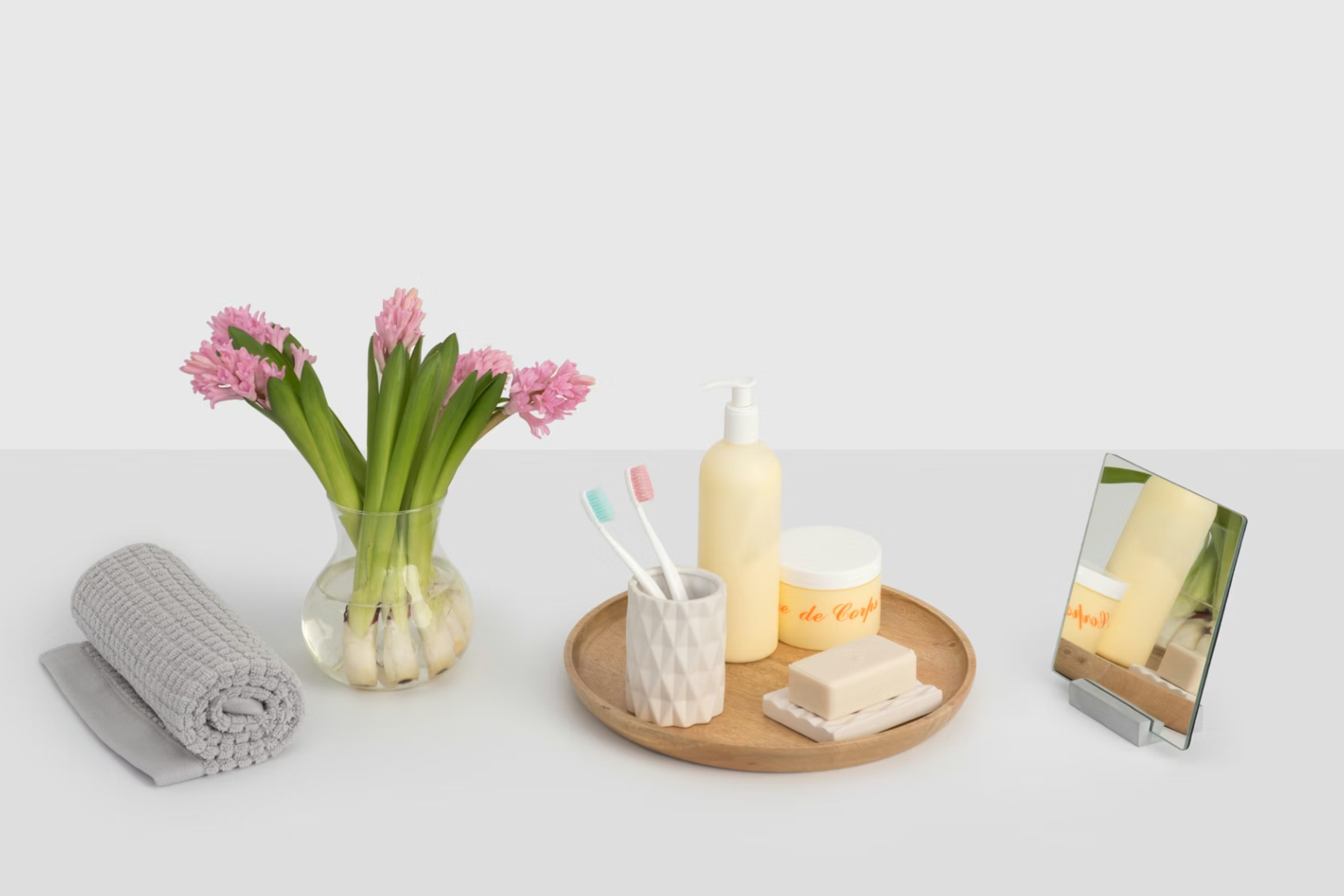
Everyday Household Products That Save Time and Effort
There is a quiet kind of luxury in a home that simply works. The floor does not need constant rescuing from crumbs, the laundry does not feel like a weekend project, and dinner prep does not begin with rummaging through five drawers. Everyday life still has its mess, of course, but the right household products can remove some of the small frictions that make a home feel harder to manage than it needs to be.
Time-saving household products are not always the flashiest items. In many cases, they are humble tools: a cordless vacuum that is easy to grab, a drawer organizer that stops the daily search for measuring spoons, a smart plug that turns off a lamp without a second trip across the room. These products do not promise a perfect home. What they can offer is something more realistic and often more valuable: less repetition, fewer wasted minutes, and a smoother rhythm to ordinary routines.
For shoppers, the challenge is knowing which products genuinely help and which only add more clutter. A useful household item should earn its place. It should solve a recurring problem, fit naturally into your space, and reduce effort over time. The best choices are not always the most expensive or feature-packed. They are the products you reach for again and again because they make the day feel a little lighter.
Why Time-Saving Household Products Matter
Modern homes are full of invisible work. Wiping surfaces, sorting laundry, finding misplaced items, preparing meals, charging devices, managing trash, cleaning floors, and resetting rooms all require attention. None of these tasks may seem overwhelming on its own, but together they create a steady background hum of effort.
That is why practical household products can have a meaningful impact. A well-designed tool can turn a ten-minute task into a two-minute one. A simple organizer can prevent repeated frustration. A small appliance can handle a repetitive job while you focus on something else.
The key is not to buy more for the sake of convenience. It is to identify the parts of your home life that repeatedly slow you down. If mornings feel chaotic, storage and preparation tools may help. If cleaning always feels delayed, easy-access cleaning products may be more useful than large equipment stored in a closet. If cooking takes too long, the right prep tools or countertop appliances may create the biggest improvement.
When a product saves time consistently, it becomes less like a gadget and more like quiet infrastructure for daily living.
Cordless Vacuums for Quick Cleanups
Few household tools save time as noticeably as a cordless vacuum. Traditional vacuums are useful for deeper cleaning, but they can feel too heavy or inconvenient for quick messes. A cordless model is often easier to grab when crumbs appear under the dining table, pet hair gathers near the sofa, or dust collects by the entryway.
The real advantage is accessibility. When cleaning requires less setup, you are more likely to handle small messes before they spread. This can reduce the need for longer cleaning sessions later.
When choosing a cordless vacuum, consider battery life, weight, suction strength, bin capacity, and storage design. A lightweight model may be better for apartments, stairs, and quick daily use. A stronger model with attachments may be more practical for homes with rugs, pets, or children.
What matters most is whether the vacuum fits your actual routine. If it is too bulky to use casually, it may end up sitting unused. A good cordless vacuum should feel easy enough to reach for without turning cleaning into an event.
Robot Vacuums for Maintenance Cleaning
Robot vacuums are not a full replacement for every cleaning task, but they can be helpful for maintenance. Their greatest value is consistency. Instead of waiting until the floor looks noticeably dirty, a robot vacuum can run on a regular schedule and keep everyday dust, hair, and crumbs under control.
They are especially useful in homes with hard floors, open layouts, pets, or busy schedules. The time saved comes not only from the cleaning itself but also from reducing how often you need to do full floor cleanups.
Before buying one, think carefully about your floor plan. Robot vacuums work best when floors are relatively clear. Thick rugs, loose cords, high thresholds, and crowded furniture can limit their usefulness. Features such as mapping, automatic charging, obstacle detection, and app scheduling can be helpful, but they are only valuable if they match your space.
For many households, the smartest approach is to use a robot vacuum as a maintenance helper rather than expecting it to perform miracles. It can keep the baseline cleaner, while occasional manual vacuuming handles corners, stairs, and detailed areas.
Microfiber Cleaning Cloths That Replace Disposable Waste
Microfiber cloths are simple, affordable, and surprisingly effective. They can be used for dusting, wiping counters, cleaning glass, polishing fixtures, and handling small spills. Because they are washable and reusable, they can also reduce reliance on paper towels for many everyday tasks.
Their time-saving value comes from versatility. Instead of searching for a different product for every surface, you can keep a small stack of cloths in the kitchen, bathroom, laundry room, and cleaning closet. Color-coding them by area can make cleaning more organized and hygienic.
Not all microfiber cloths are the same. Some are better for glass, while others are thicker and better suited for counters or general cleaning. Look for cloths that feel durable, absorbent, and easy to wash. Avoid using fabric softener when laundering them, as it can affect performance.
For households trying to simplify cleaning supplies, microfiber cloths are one of the most practical starting points.
Spray Mops for Faster Floor Touch-Ups
A traditional mop and bucket can be useful for deep cleaning, but it often feels like too much work for a quick spill or dusty hallway. Spray mops solve this by combining the cleaning solution and mop into one lightweight tool.
They are ideal for small messes, kitchen floors, entryways, and routine maintenance between deeper cleans. Many models use washable pads, which can make them more economical and less wasteful over time.
When shopping, consider the type of flooring in your home. Some floors require gentle cleaners, while others can handle more frequent wet cleaning. Check whether the mop works with reusable pads and whether the bottle can be refilled with your preferred solution.
A spray mop is not about perfection. It is about making floor cleaning feel easy enough to do before the mess becomes bigger.
Drawer Organizers for Everyday Efficiency
A cluttered drawer steals time in small amounts. You lose a minute looking for scissors, another searching for a spatula, and another trying to find batteries. Drawer organizers may not seem exciting, but they can noticeably improve how a home functions.
The best drawer systems create clear homes for everyday items. Kitchen utensils, office supplies, toiletries, makeup, tools, and small accessories become easier to find and easier to put away.
Before buying organizers, measure your drawers and decide what actually needs to live inside them. Adjustable dividers are useful for changing needs, while clear trays work well when you want visibility. Bamboo organizers can look polished in kitchens, while plastic or acrylic options may be easier to clean in bathrooms and utility spaces.
The mistake to avoid is buying organizers before decluttering. An organizer should not become a nicer container for things you never use. Edit first, organize second.
Clear Storage Bins for Faster Finding
Clear storage bins are a quiet hero in pantries, closets, laundry areas, and under-sink cabinets. Because you can see what is inside, they reduce the need to open multiple boxes or dig through deep shelves.
They are especially helpful for grouping similar items: snacks, cleaning supplies, extra toiletries, pet products, seasonal accessories, charging cables, or craft materials. Handles can make bins easier to pull from shelves, while stackable designs can help maximize vertical space.
For pantries, clear bins make it easier to notice when items are running low. For bathrooms, they can keep small products from disappearing behind larger bottles. For closets, they can make seasonal storage more manageable.
The goal is not to make every shelf look like a showroom. It is to create visibility and reduce the repeated effort of searching.
Label Makers and Simple Labeling Systems
Labels save time because they remove guesswork. They help family members, guests, and even your future self know where things belong. A label maker can be useful, but handwritten labels, adhesive tags, or simple printed labels can work just as well.
The most useful labels are clear and practical. Instead of labeling every tiny container, focus on zones that cause confusion: pantry staples, storage bins, cleaning products, toy baskets, office supplies, and laundry categories.
A good labeling system also makes it easier to maintain order after the initial organizing session. When an item has a visible place, putting it away requires less thought.
For shoppers, the question is whether you need a dedicated label maker or a simpler solution. If you enjoy organizing and label many areas of the home, a label maker may be worth considering. If you only need a few labels, basic adhesive labels may be enough.
Meal Prep Containers for Easier Cooking
Meal prep containers can save time even if you do not prepare a full week of meals. They are useful for storing leftovers, chopped vegetables, washed fruit, snacks, sauces, and lunch portions.
The benefit is preparation. When ingredients are visible and ready, cooking feels less like starting from zero. A container of chopped onions or cooked grains can make a weekday dinner come together faster. A portioned lunch can make mornings smoother.
Look for containers that stack well, seal reliably, and fit your refrigerator space. Glass containers often feel sturdy and are useful for reheating, while lightweight plastic containers can be convenient for lunches and travel. The best choice depends on your habits, storage space, and cleaning preferences.
Avoid buying oversized sets with shapes you will rarely use. A smaller number of practical, stackable containers often works better than a crowded cabinet full of mismatched pieces.
Food Choppers and Prep Tools
A good food chopper can reduce the repetitive work of cutting onions, peppers, herbs, nuts, or vegetables. It is not essential for every kitchen, but it can be helpful for people who cook often, prepare family meals, or want faster weeknight dinners.
The best prep tools are easy to clean. If a gadget takes longer to wash than it saves in chopping, it may not be worth it. Look for sturdy blades, a stable base, simple assembly, and dishwasher-safe parts if that matters to you.
Mandoline slicers, garlic presses, salad spinners, and vegetable peelers can also save time when chosen carefully. The important point is to buy based on what you actually cook. A tool that supports your regular meals is more valuable than one designed for a recipe you make once a year.
Smart Plugs for Small Daily Conveniences
Smart plugs can make ordinary devices more convenient. They allow you to control lamps, fans, coffee makers, and other compatible appliances through an app or voice assistant. Some can be scheduled to turn on and off automatically.
The time saved is small but frequent. A lamp can turn on before you enter a room. A fan can shut off at night. Holiday lights can run on a timer without daily plugging and unplugging.
Before buying, check compatibility with your preferred smart home system and the electrical requirements of the device you plan to connect. Smart plugs should be used according to product instructions and should not be overloaded.
They are most useful when applied thoughtfully. Start with one or two routine annoyances rather than trying to automate the entire home at once.
Laundry Hampers That Sort as You Go
Laundry becomes harder when sorting is left until the last moment. A divided hamper can save time by separating lights, darks, towels, delicates, or workout clothes as items are added.
This small change can make laundry day feel more manageable. Instead of creating piles on the floor, the sorting happens gradually. A hamper with removable bags can also make it easier to carry loads to the washing machine.
When choosing one, consider size, ventilation, portability, and how many sections you actually need. A large family may benefit from multiple compartments, while a smaller household may only need two.
The best laundry system is one that feels natural. If it is too complicated, it may not last. Simple categories are usually easier to maintain.
Over-the-Door Storage for Small Spaces
Over-the-door organizers can add storage without requiring renovation or bulky furniture. They work well for shoes, cleaning supplies, accessories, toiletries, pantry items, craft materials, and children’s items.
Their value is immediate access. Items that might otherwise be buried in a closet can become visible and easy to reach. This can reduce both clutter and search time.
Choose organizers based on weight capacity, pocket size, door clearance, and the type of items you plan to store. Fabric pockets may suit lightweight accessories, while stronger racks may be better for pantry goods or cleaning products.
This is especially helpful for renters, small apartments, and homes where cabinet space is limited.
Charging Stations and Cable Management
Few modern frustrations are as common as tangled cords and missing chargers. A charging station can create one reliable place for phones, tablets, earbuds, watches, and other daily devices.
Cable management tools, such as clips, ties, sleeves, and cord boxes, can also make desks, nightstands, and entertainment areas easier to manage. The time saved comes from reducing clutter and preventing the daily search for the right cable.
When shopping, consider how many devices need charging at once and whether you need fast-charging compatibility. Also think about where the station will live. A beautiful charging dock is less helpful if it is placed somewhere inconvenient.
A simple rule works well: put charging where the device naturally rests. That may be near the entryway, bedside table, home office, or kitchen counter.
Automatic Soap Dispensers and Touch-Free Helpers
Touch-free soap dispensers can be useful in kitchens and bathrooms, especially when hands are messy from cooking or cleaning. They can reduce smudges on bottles and make handwashing feel more convenient.
The same logic applies to other touch-free products, such as motion-sensor trash cans or automatic lights in closets. These products are not necessary for every home, but they can make repeated actions smoother.
The buyer consideration is reliability. Look for products that are easy to refill, simple to clean, and not overly sensitive. A product that activates at the wrong time can become more annoying than helpful.
Convenience should feel calm, not fussy.
Multi-Purpose Cleaners That Simplify the Cabinet
A crowded cleaning cabinet can make cleaning feel more complicated than it is. A reliable multi-purpose cleaner can reduce the number of products you need for everyday surfaces.
This does not mean one cleaner should be used everywhere. Certain materials, such as natural stone, wood, stainless steel, or delicate surfaces, may need specific care. Always follow surface and product instructions.
Still, for many routine tasks, a good general cleaner can handle counters, tables, shelves, and other common surfaces. Pair it with microfiber cloths and a small caddy, and cleaning becomes easier to start.
The best cleaning setup is one you understand. Too many bottles can lead to confusion, waste, and duplicate purchases.
Entryway Products That Prevent Mess
The entryway is a small area with a large influence on the rest of the home. Shoes, bags, keys, mail, umbrellas, and outerwear often gather there. A few practical products can prevent that clutter from spreading.
A shoe rack keeps footwear contained. A key tray prevents the morning search. Wall hooks give bags and jackets a landing place. A washable mat helps reduce dirt entering the home. A small basket can hold items that need to leave the house.
These products save time because they support transitions. Leaving and returning home become less chaotic when everything has a clear place.
For small spaces, choose slim, vertical, or wall-mounted options. The goal is not to create a grand foyer. It is to create a simple drop zone that works every day.
Reusable Grocery Bags and Collapsible Totes
Reusable bags and collapsible totes are useful beyond grocery shopping. They can carry laundry, returns, picnic supplies, car items, sports gear, donations, and everyday errands.
A collapsible tote stored in the car or entryway can save time when unexpected carrying needs appear. Bags that stand upright are especially helpful for groceries because they are easier to load and unload.
Look for durable handles, easy cleaning, and compact storage. If bags are hard to fold or store, they may not stay in regular use.
This is a small purchase that can quietly improve errands, organization, and household flow.
What to Consider Before Buying Time-Saving Products
Before adding any household product to your cart, pause and ask a few practical questions.
What problem will this solve?
If you cannot name the recurring frustration, the product may not be necessary.
Will I use it often?
A product used weekly or daily is more likely to justify its space than one used once or twice a year.
Is it easy to clean or maintain?
A tool that creates extra maintenance may not save time overall.
Where will it live?
Storage matters. If a product is difficult to access, you may stop using it.
Does it fit my home and habits?
A large appliance may not suit a small kitchen. A complex organizer may not suit a busy family. The best product is the one that works with your lifestyle, not against it.
Common Mistakes to Avoid
One common mistake is buying products because they look useful online without considering your actual routine. A perfectly organized pantry photo may be inspiring, but your home needs products that match your food habits, shelf sizes, and shopping patterns.
Another mistake is choosing overly specialized gadgets. A single-use tool can be helpful if you use it frequently, but too many niche items can create clutter.
It is also easy to overlook cleaning and maintenance. A product with many parts, filters, batteries, or attachments may require more effort than expected.
Finally, avoid assuming higher price always means better value. A premium product may offer stronger performance, but a simple, well-designed option can often solve the problem just as effectively.
How to Build a More Efficient Home Gradually
A more efficient home does not need to be built in one shopping trip. In fact, the best improvements often happen gradually. Start with the area that causes the most daily friction. That might be the kitchen, laundry area, entryway, bathroom, or home office.
Choose one product or system that addresses that area. Use it for a few weeks. Notice whether it actually saves time. Then decide whether another improvement is needed.
This approach prevents clutter and helps you buy with intention. A home that saves time is not one filled with gadgets. It is a home where the tools, storage, and routines support the way you really live.
Final Takeaway
Everyday household products that save time and effort are not about chasing perfection. They are about making ordinary routines easier to manage. A cordless vacuum, clear storage bin, divided hamper, smart plug, or simple drawer organizer may not transform your home overnight, but it can reduce small frustrations that repeat day after day.
The smartest purchases are practical, easy to use, and suited to your space. Look for products that solve real problems, simplify repeated tasks, and help your home feel calmer without adding unnecessary complexity.
When chosen thoughtfully, the right household products do more than save minutes. They give back attention, energy, and a little more ease in the flow of everyday life.
Frequently Asked Questions
What household products save the most time every day?
The most useful time-saving household products are usually the ones that support frequent tasks. Cordless vacuums, drawer organizers, clear storage bins, meal prep containers, spray mops, and divided laundry hampers can all save time because they make daily routines easier to start and maintain.
Are smart home products worth it for saving time?
Smart home products can be worth it when they solve a real daily inconvenience. Smart plugs, motion lights, and automated schedules can make certain routines easier. However, they are most helpful when used selectively. Buying too many smart devices at once can make home management feel more complicated.
How do I avoid buying household products I will not use?
Start by identifying a specific problem before shopping. Ask where the product will be stored, how often you will use it, and whether it is easy to clean. Avoid buying items only because they look attractive online. Practical fit matters more than appearance.
Which household products are best for small homes or apartments?
Small homes often benefit from products that improve storage and reduce visual clutter. Clear bins, over-the-door organizers, collapsible totes, slim shoe racks, wall hooks, cable organizers, and compact cleaning tools can make a small space easier to manage without taking up much room.
Do time-saving household products have to be expensive?
No. Many useful household products are affordable and simple. Microfiber cloths, drawer dividers, labels, storage bins, spray bottles, and reusable bags can all improve daily efficiency. The best value comes from choosing products that you will use often and that solve a recurring problem.
You May Also Like

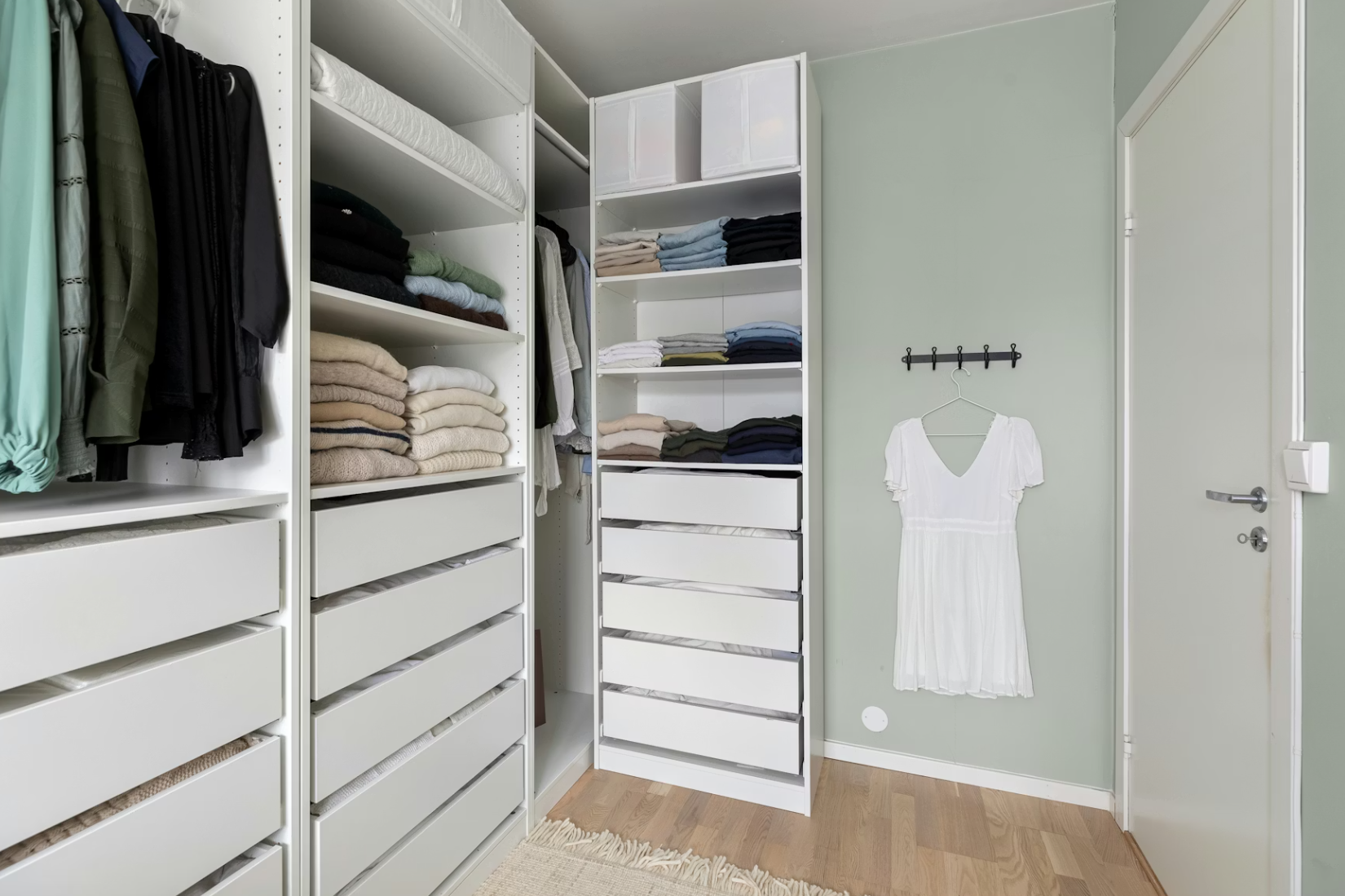
Useful Tech Gadgets That Can Improve Everyday Productivity
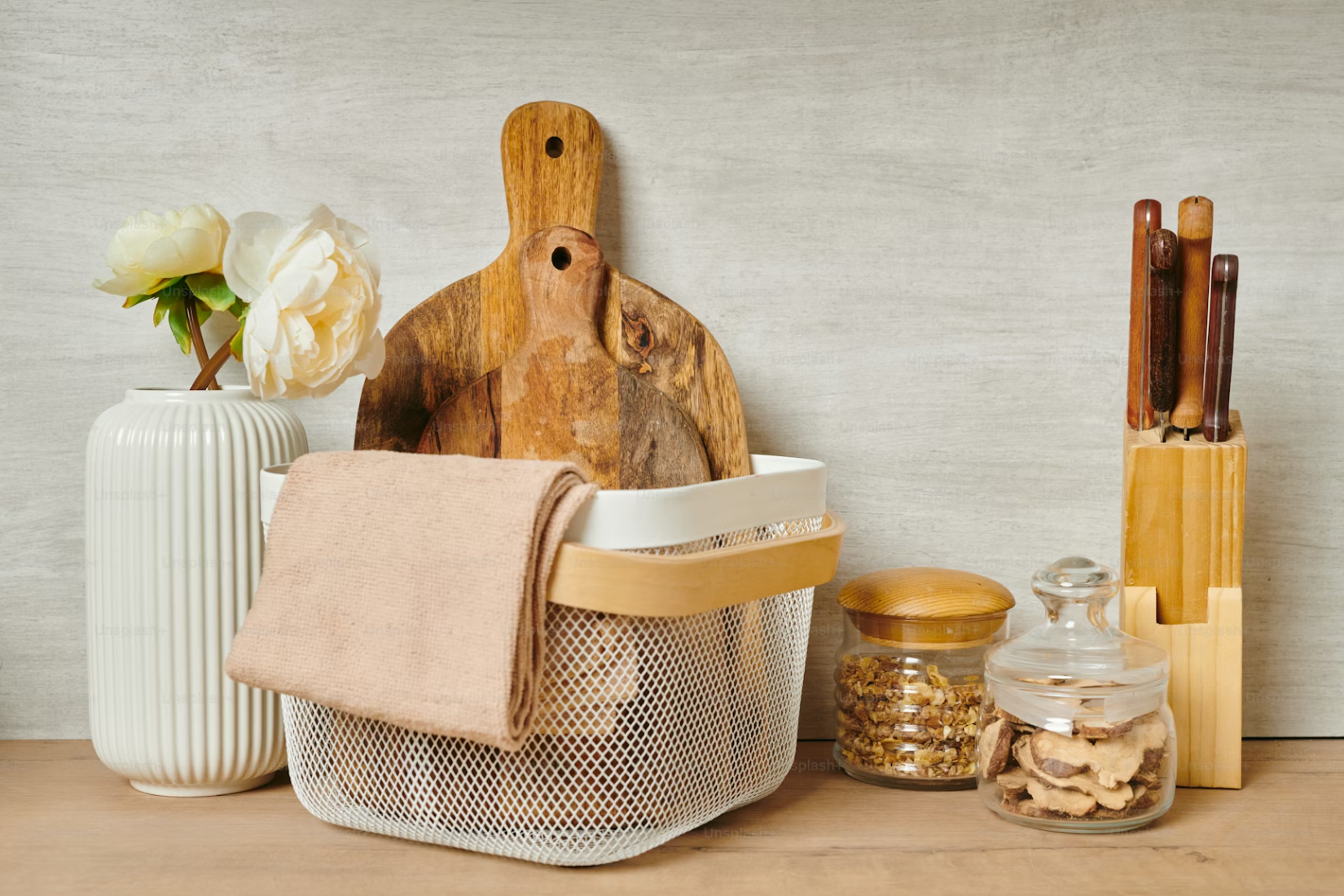
Practical Home Essentials That Make Daily Life Easier