Fashion Basics vs Trend Pieces: What Should You Buy First?
Opening a wardrobe full of clothes and still feeling like you have nothing to wear is a surprisingly common modern problem. It does not always mean you need more clothes. Often, it means your wardrobe has too many disconnected pieces and not enough reliable structure. Maybe you bought a bold printed top because it looked exciting online, a pair of statement shoes because they felt fresh for the season, or a jacket that looked perfect on someone else but never seems to work with your everyday outfits.
This is where the conversation around fashion basics and trend pieces becomes useful. Basics are the quiet foundation of personal style. They are the pieces you reach for repeatedly because they fit your life, your body, and your daily routine. Trend pieces, on the other hand, bring freshness, personality, and a sense of the moment. They can make an outfit feel current, expressive, and fun.
The question is not whether basics are better than trends, or whether trends should be avoided. The smarter question is: what should you buy first? For most shoppers, the answer begins with building a strong base, then adding trend pieces with intention. A wardrobe works best when it has both stability and spark.
What Are Fashion Basics?
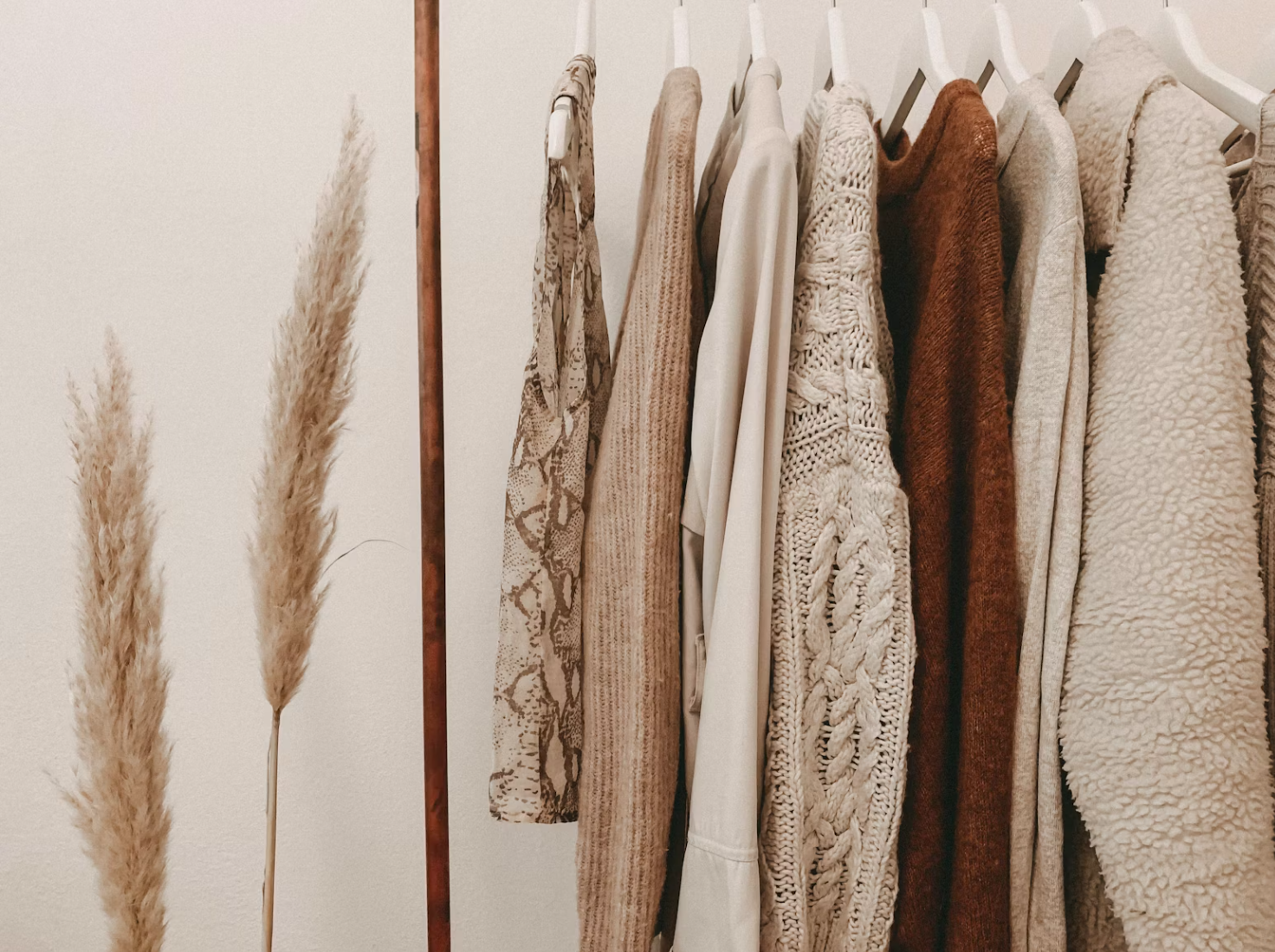
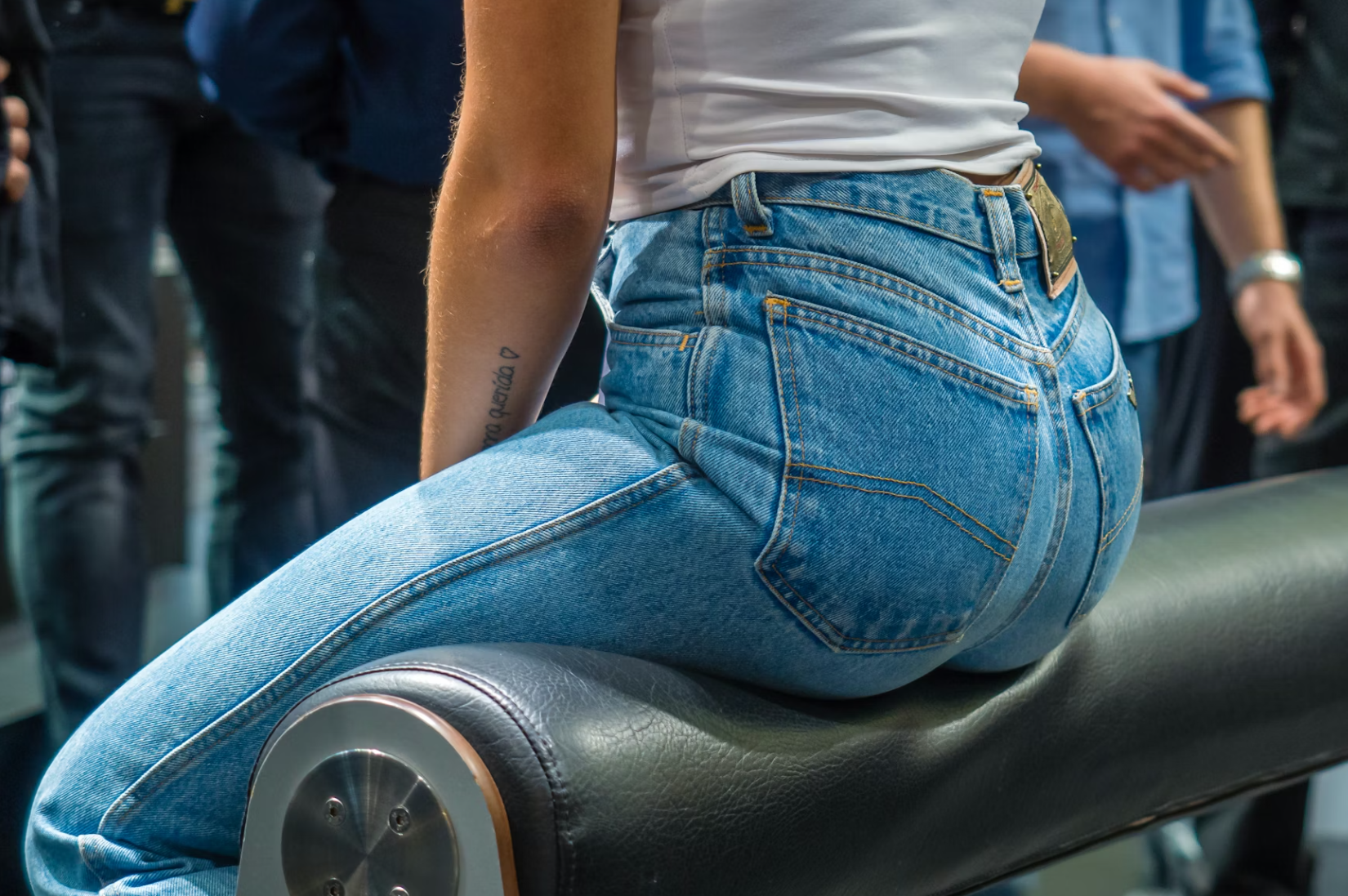
Fashion basics are versatile clothing items that can be styled in many ways and worn across different seasons, occasions, or outfit combinations. They usually have simple cuts, neutral or wearable colors, and minimal decoration. Think of a well-fitting white T-shirt, straight-leg jeans, a black blazer, tailored trousers, a plain knit sweater, a crisp button-down shirt, simple sneakers, or a classic coat.
A good basic is not boring. It is dependable. It plays well with other pieces and helps your wardrobe feel easier to use. The best basics do not demand attention, but they quietly improve everything around them.
Basics also do not have to mean plain black, white, gray, or beige. Your personal basics should match your real lifestyle and color preferences. For one person, a navy blazer may be essential. For another, it might be a soft cream cardigan, a relaxed striped shirt, or dark wash denim. The key is not whether the piece is considered classic by fashion magazines. The key is whether it works repeatedly for you.
What Are Trend Pieces?
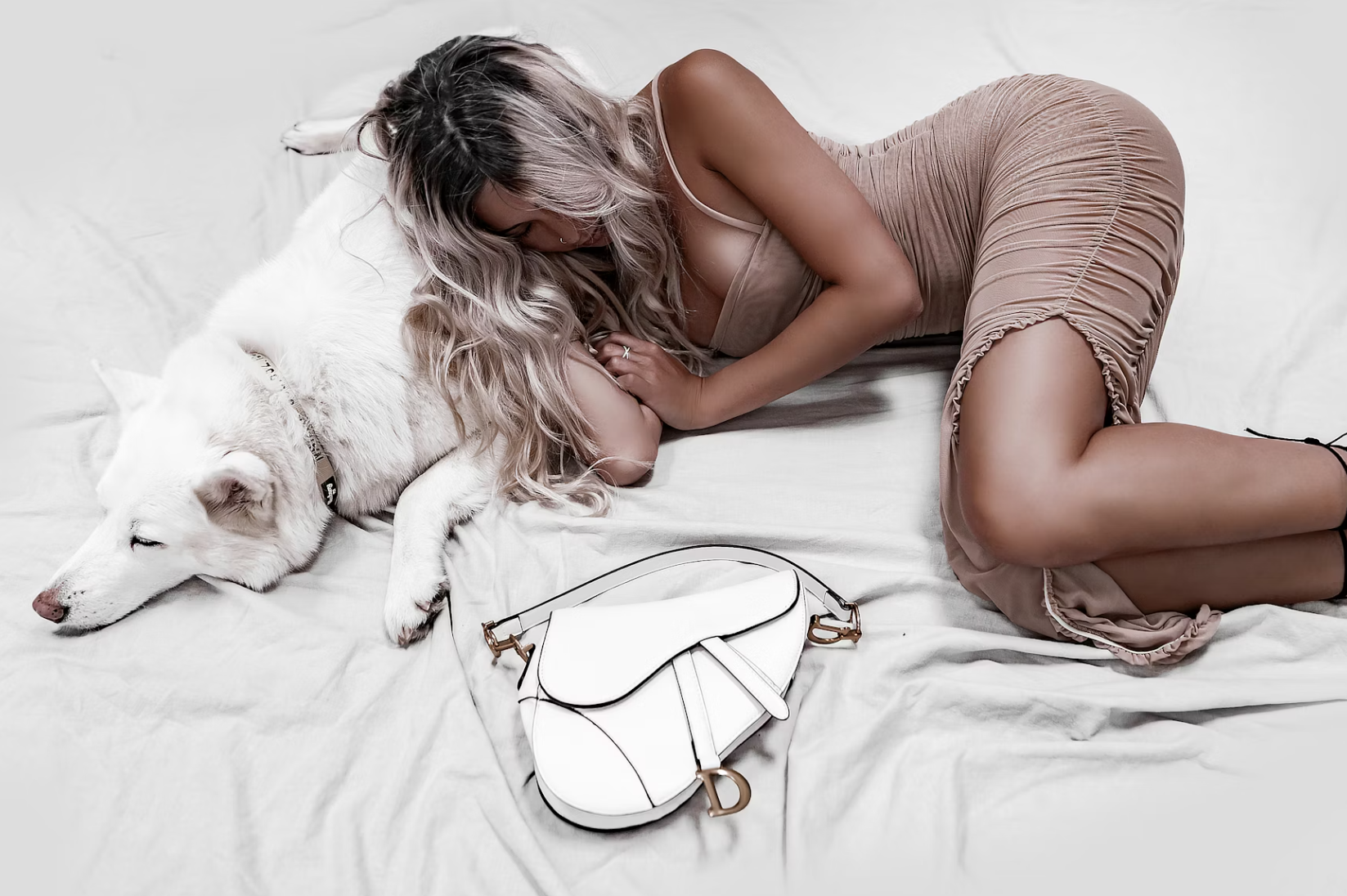
Trend pieces are clothing, shoes, accessories, colors, cuts, or details that feel strongly connected to a particular season or style moment. They may include oversized silhouettes, bold prints, metallic finishes, unusual denim shapes, bright seasonal colors, statement bags, platform shoes, dramatic sleeves, or viral fashion items.
Trend pieces can be exciting because they refresh your style quickly. They let you experiment without rebuilding your whole wardrobe. A trend piece can turn a simple outfit into something memorable, especially when paired with strong basics.
However, trends can also become wardrobe clutter when bought impulsively. A piece may look stylish in a social media post but feel awkward in your real life. It may not match anything you own. It may only work for one very specific occasion. This does not make trend pieces bad. It simply means they require a little more judgment before buying.
Why Basics Usually Come First
If you are starting a wardrobe, refreshing your style, or trying to shop more wisely, basics should usually come first. They give your wardrobe structure. Without them, trend pieces can feel isolated, like beautiful furniture in a room with no floor plan.
A strong set of basics makes daily dressing faster. You can build outfits without overthinking every detail. A white tee works with jeans, trousers, skirts, cardigans, blazers, and jackets. A good pair of jeans can support casual looks, weekend outfits, and even polished combinations when styled with smarter shoes and a jacket.
Basics also help you understand what you actually wear. When you know which cuts, colors, and fabrics you reach for often, it becomes easier to judge which trends are worth trying. Instead of buying a trend because it looks popular, you can ask whether it fits into your existing style.
Buying basics first is especially helpful if your current wardrobe feels chaotic. If you have many eye-catching items but few simple pieces to connect them, the solution is rarely another statement purchase. It is usually a better foundation.
The Role of Trend Pieces in a Modern Wardrobe
Once your basics are in place, trend pieces become much more powerful. They no longer need to carry the whole outfit. They simply add interest.
For example, a pair of tailored black trousers and a simple knit top can become more current with a sculptural belt, a colorful bag, or a trend-forward pair of shoes. A classic white shirt can feel modern with wide-leg denim or a seasonal jacket. A neutral dress can shift mood completely with jewelry, boots, or a textured handbag.
Trend pieces are also a way to explore your taste. Style should not feel like a uniform unless you want it to. Trends can introduce playfulness, surprise, and personality. They allow you to test a new color, silhouette, or detail without changing your entire closet.
The healthiest way to treat trends is as seasoning, not the main dish. A little can make the whole outfit feel alive. Too much can make your wardrobe difficult to wear.
How to Decide What Basics You Actually Need
The best basics are not universal. They depend on your lifestyle. Before buying anything, look at your typical week. Do you work in an office, from home, outdoors, or in a casual environment? Do you need polished outfits, relaxed comfort, or a mix of both? Do you often attend dinners, travel, exercise, or spend time with children?
A wardrobe should serve the life you live, not an imaginary version of your life. If you rarely attend formal events, you may not need several structured blazers. If you walk often, comfortable shoes may matter more than delicate heels. If you live in a warm climate, breathable shirts and lightweight layers may be better investments than heavy coats.
Fit is another major consideration. A basic only works if you feel comfortable wearing it. A plain T-shirt that pulls at the shoulders or loses shape after one wash is not a useful basic. A pair of trousers that looks elegant but feels restrictive will likely sit untouched. When shopping for basics, prioritize fit, fabric feel, care instructions, and how easily the piece works with items you already own.
Good basics should answer the question: can I wear this at least three different ways? If the answer is yes, it may deserve a place in your wardrobe.
The Basics Worth Considering First
While everyone’s wardrobe is personal, several categories are often worth building before investing heavily in trend pieces.
Start with tops that can layer easily. Simple T-shirts, tanks, button-down shirts, and lightweight knits are useful because they form the first layer of many outfits. Choose colors that suit your wardrobe. White, black, navy, gray, cream, olive, and soft blue are common options, but your best neutrals may differ.
Next, consider bottoms that match your daily life. A reliable pair of jeans, tailored trousers, casual pants, or a versatile skirt can create many outfit combinations. The goal is not to own every style, but to have a few bottoms that work with most of your tops and shoes.
Outerwear can also shape your wardrobe. A classic blazer, denim jacket, trench coat, wool coat, or relaxed cardigan can make simple outfits feel complete. Choose based on climate and lifestyle.
Shoes are another foundation category. Comfortable sneakers, loafers, ankle boots, flats, or sandals can determine how often you actually wear an outfit. A beautiful outfit that requires uncomfortable shoes may not become part of your real routine.
Finally, simple accessories can tie everything together. A practical everyday bag, a clean belt, subtle jewelry, and classic sunglasses can make outfits feel intentional without looking overdone.
When It Makes Sense to Buy Trend Pieces First
There are moments when buying a trend piece first can make sense. If your basics are already strong, a trend item may be the easiest way to refresh your wardrobe. If you have a special event coming up, a statement accessory or seasonal piece may help you create a memorable look without buying a full new outfit.
A trend piece can also be a smart first purchase if it truly reflects your personal style. Some people naturally dress in bold colors, playful shapes, or expressive details. For them, a so-called trend might actually function like a basic because they wear it often and confidently.
The important distinction is intention. Buying a trend piece because it fits your style and works with your wardrobe is different from buying it because it is everywhere online. One feels personal. The other often becomes regret.
Before buying a trend item, ask yourself: would I still like this if it were not trending? Can I wear it with at least three things I already own? Does it fit my lifestyle? Is it comfortable enough for real use? If the answer is no, it may be better to admire the trend without purchasing it.
Cost Per Wear: The Simple Shopping Filter
Cost per wear is one of the clearest ways to compare basics and trend pieces. It means thinking about the price of an item in relation to how often you will realistically wear it.
A higher-quality pair of jeans that you wear weekly for two years may offer better value than a cheaper statement piece worn twice. This does not mean every basic must be expensive, or every trend must be cheap. It means your spending should match expected use.
Basics often deserve more careful investment because they are worn frequently. Better fabric, better stitching, and better fit can matter when a piece is part of your weekly rotation. Trend pieces may be better purchased at a more moderate price point unless you know the style has long-term appeal for you.
Still, price alone does not guarantee quality. A smart shopper looks at material, construction, reviews, return policy, care requirements, and whether the item fills a real gap. The goal is not to buy the most expensive option. The goal is to buy the most useful option for your wardrobe.
Common Mistakes to Avoid
One common mistake is buying too many basics that do not suit your personality. A wardrobe full of plain items can feel flat if you enjoy color, texture, or creative styling. Basics should support your style, not erase it.
Another mistake is buying trend pieces without outfit plans. If you cannot imagine wearing the item with clothes you already own, it may require additional purchases to work. That is how one impulse buy quietly becomes a chain of unnecessary spending.
Some shoppers also confuse minimalism with usefulness. A minimalist wardrobe is not automatically better. A small wardrobe only works if the pieces fit your lifestyle and mix well together. A larger wardrobe can still be smart if it is organized, worn, and loved.
Another mistake is ignoring fabric and care. A beautiful basic that shrinks, wrinkles heavily, or requires care you dislike may not be practical. Always check how a garment needs to be washed or maintained before buying.
Finally, avoid buying for a fantasy lifestyle. The elegant dress you imagine wearing to endless dinners, the delicate shoes you picture on vacation, or the dramatic coat you see in editorial photos may not fit your daily routine. Aspirational shopping can be fun, but it should not dominate your wardrobe.
How to Balance Basics and Trends
A practical wardrobe often works best with a higher percentage of basics and a smaller percentage of trend pieces. There is no perfect formula, but many shoppers do well when most of their closet is made up of reliable staples, with a smaller selection of seasonal or expressive items.
Think of basics as the canvas and trends as the brushstrokes. The canvas gives structure. The brushstrokes give mood and personality. Without the canvas, the picture feels messy. Without the brushstrokes, it may lack energy.
You can also balance trends through accessories. A trendy bag, belt, scarf, pair of sunglasses, or piece of jewelry can update outfits without requiring a major wardrobe shift. Accessories are often easier to rotate and can make simple basics feel fresh.
Color is another gentle way to try trends. If a certain shade is popular but feels bold, try it in a small accessory before buying a full outfit. If a silhouette is trending, test a subtle version rather than the most extreme shape.
The best balance is one that makes getting dressed easier, not harder.
What to Buy First If You Are Starting Over
If you are rebuilding your wardrobe from scratch, begin with your most-used outfit categories. Do not start with the most glamorous pieces. Start with what you wear on ordinary days.
Choose a few tops that work with multiple bottoms. Add one or two bottoms that feel comfortable and versatile. Include shoes you can actually walk in. Add a layer that makes outfits feel finished. Then introduce accessories that help define your style.
Once you can create several outfits from these items, you can add trend pieces more thoughtfully. Maybe you choose a statement jacket, a seasonal color, a distinctive pair of shoes, or a fashion-forward bag. Because your basics are already working, the trend piece will have something to connect with.
If your budget is limited, buy slowly. A wardrobe built over time is often better than one purchased all at once. Living with your clothes teaches you what you reach for, what feels missing, and what does not work.
Smart Questions to Ask Before Buying Anything
Before buying a basic, ask whether it improves your daily wardrobe. Does it replace something worn out? Does it match several items you already own? Does it fit well enough that you would choose it on a busy morning?
Before buying a trend piece, ask whether it adds something meaningful. Does it express your style? Does it make existing outfits feel fresh? Can you wear it beyond one occasion? Would you still like it next season?
Also consider comfort, care, storage, and versatility. A piece that looks good online but feels uncomfortable in real life is rarely a smart buy. Fashion should support your day, not complicate it.
It can help to pause before checking out. Leave the item in your cart for a day. If you still see clear outfit possibilities and genuine use, it may be worth considering. If the excitement fades quickly, the purchase may have been more about novelty than need.
Final Takeaway
So, fashion basics vs trend pieces: what should you buy first? For most people, basics are the better starting point. They make your wardrobe more flexible, your outfits easier to build, and your shopping decisions more grounded. Once you have dependable pieces that suit your life, trend items become more enjoyable and less risky.
That does not mean trends are unimportant. Trend pieces can bring charm, freshness, and personality. They can help you feel current and creative. The secret is to buy them after you understand your foundation, not before.
A smart wardrobe is not built on rules alone. It is built on self-awareness. Know your lifestyle, your preferred colors, your comfort needs, and the pieces you actually wear. Buy basics that support you. Add trends that excite you. Let your wardrobe become a collection of useful, expressive choices rather than a pile of disconnected purchases.
Conclusion
The best wardrobe is not the one with the most clothes or the newest trends. It is the one that helps you feel prepared, comfortable, and quietly confident in your everyday life. Fashion basics give you reliability. Trend pieces give you expression. When you buy basics first and trends with intention, your wardrobe becomes easier to style, easier to maintain, and far more satisfying to wear.
FAQs
Are fashion basics always neutral colors?
No. Neutral colors are common because they are easy to mix, but basics can be any color you wear often. If burgundy, olive, navy, or soft pink works well with your wardrobe, those shades can become your personal basics.
How many basics should I own before buying trend pieces?
There is no fixed number. A good starting point is to have enough tops, bottoms, shoes, and layers to create several outfits for your normal week. Once daily dressing feels easier, you can add trend pieces more confidently.
Should I spend more money on basics or trends?
In many cases, it makes sense to spend more carefully on basics because you may wear them more often. Trend pieces can be bought at a moderate price unless you know the style has long-term value for you.
Can a trend piece become a wardrobe basic?
Yes. If you wear a trend piece often, style it easily, and continue loving it after the trend fades, it can become one of your personal basics. Personal style matters more than fashion labels.
What is the easiest way to try trends without wasting money?
Start small with accessories, colors, or subtle details. A belt, bag, scarf, shoe style, or jewelry piece can make your wardrobe feel current without requiring a major investment or complete style change.
You May Also Like
Building a Wardrobe That Works as Hard as You Do
How to Choose the Right Shoes for Everyday Wear Without Sacrificing Comfort or Style