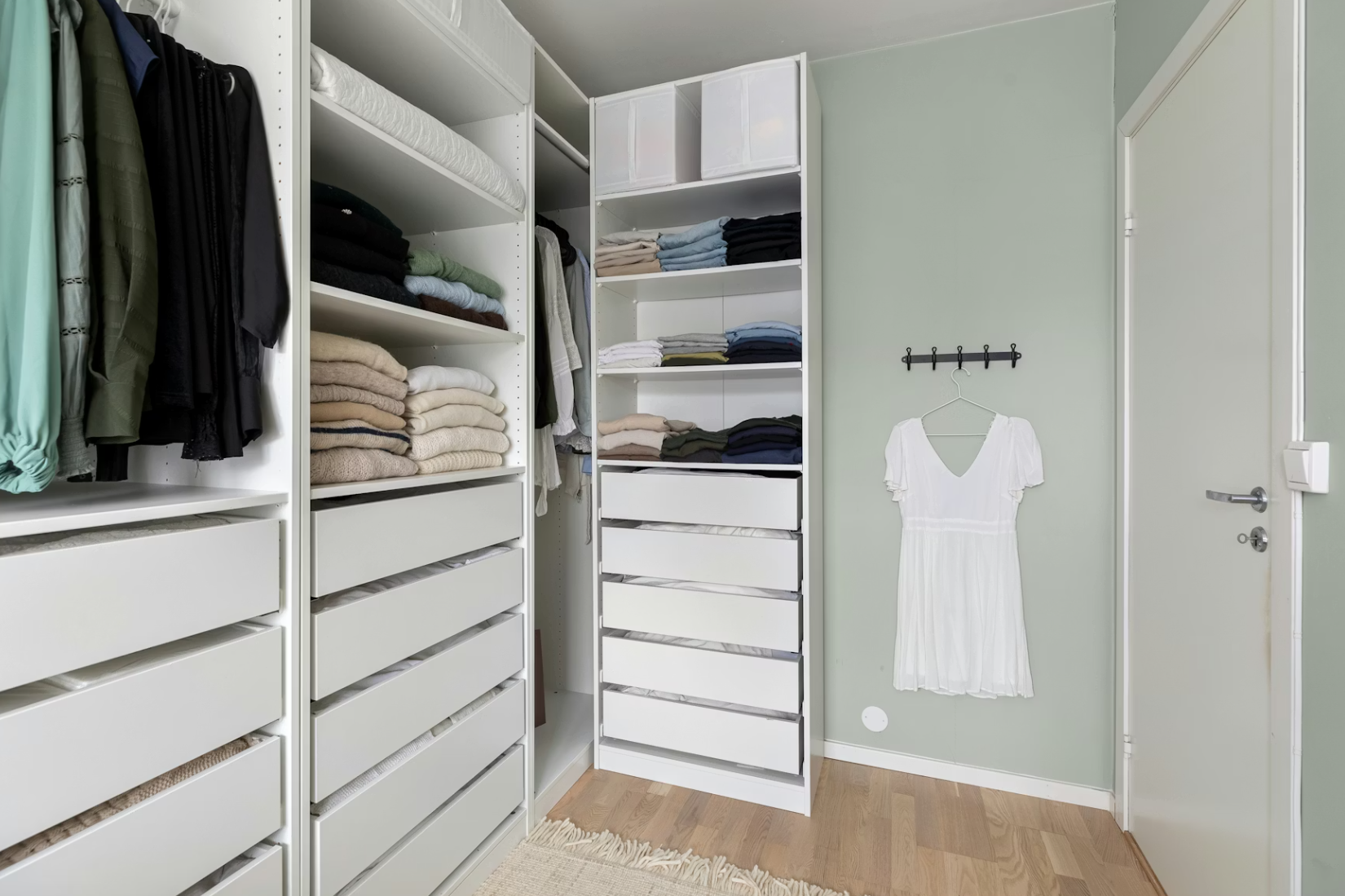
How to Refresh Your Wardrobe on a Budget
There is a familiar moment that happens in front of many closets. The doors open, the hangers slide from side to side, and somehow a wardrobe full of clothes still feels like nothing to wear. It is not always because you need more. Often, it is because your clothes no longer feel organized, intentional, or connected to the way you live now.
Refreshing your wardrobe on a budget is not about replacing everything or chasing every new trend. It is about looking at what you already own with sharper eyes, identifying what actually works, and making a few thoughtful updates that bring your style back to life. A good wardrobe refresh should feel like opening a window in a room that has been closed for too long. The air changes, but the structure remains familiar.
For shoppers trying to make smarter decisions, the best budget wardrobe strategy is simple: buy less, choose better, and style more creatively. Whether you want to look more polished for work, feel more comfortable on weekends, or build a closet that finally makes sense, you do not need a luxury budget to get there. You need clarity, patience, and a practical plan.
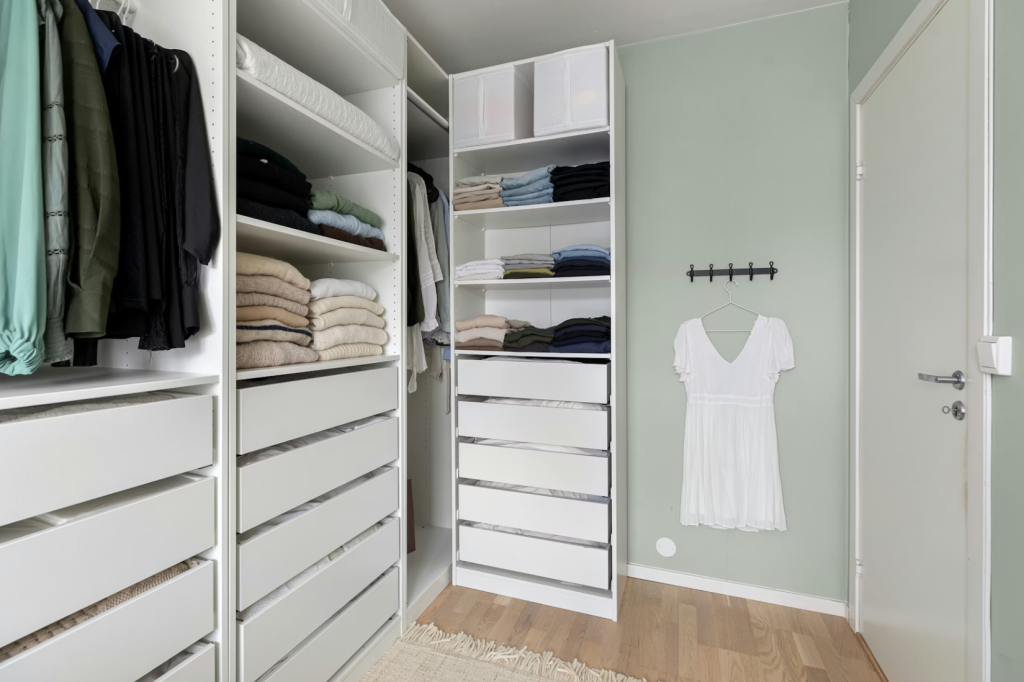
Why a Wardrobe Refresh Does Not Mean Starting Over
One of the biggest mistakes people make is assuming that a style refresh requires a complete transformation. Social media can make it seem as if every new season demands a new aesthetic, a new color palette, and a new set of essentials. In real life, most people do not need a full reset. They need better editing.
A wardrobe refresh means improving the usefulness, appearance, and versatility of your closet. It may involve removing items that no longer fit, repairing pieces you still love, adding a few updated basics, or learning new ways to style what is already there.
This approach is especially helpful if you are shopping on a budget. Instead of spending money to solve a vague feeling of dissatisfaction, you begin by understanding the real problem. Maybe your wardrobe lacks comfortable shoes. Maybe you own many tops but very few bottoms that fit well. Maybe your clothes are fine individually, but the colors do not work together. Once you know the gap, your spending becomes more focused.
Think of your closet like a kitchen pantry. You may not need to buy everything again. You may simply need to remove expired items, organize what remains, and add a few missing ingredients that make everyday meals easier.
Start With a Full Closet Audit
Before buying anything new, take inventory. A closet audit may not sound glamorous, but it is one of the most powerful budget-saving steps you can take. It prevents duplicate purchases, reveals hidden favorites, and shows you what you actually wear.
Set aside enough time to go through your clothes by category. Look at tops, bottoms, dresses, outerwear, shoes, bags, and accessories separately. This makes it easier to see patterns. You might discover that you have seven black T-shirts but no lightweight jacket, or several occasion dresses but no simple everyday jeans.
As you sort, divide items into practical groups: keep, repair, tailor, donate, sell, and reconsider. The “reconsider” pile is useful for pieces you are unsure about. Instead of making a rushed decision, place them aside and return to them later with a clearer mind.
Ask yourself honest questions. Does this fit my current body comfortably? Does it suit my lifestyle? Have I worn it in the past year? Can I style it in at least three ways? Does it make me feel confident, or do I only keep it because I spent money on it?
The goal is not to create a tiny minimalist wardrobe unless that is your preference. The goal is to create a closet where most pieces earn their space.
Build Around What You Actually Wear
A smart wardrobe refresh begins with reality, not fantasy. Many people shop for an imagined version of life: elegant dinners, perfect vacations, dramatic outfits, or office looks they rarely need. But the most useful wardrobe is built around your real weekly routine.
Look at how you spend your time. If your week includes casual workdays, errands, school runs, home office hours, weekend meals, and light social plans, your wardrobe should support those situations first. A beautiful piece that does not fit your lifestyle may become closet decoration.
This does not mean your clothes should be boring. It means your best items should bridge comfort and style. A soft knit top, straight-leg jeans, clean sneakers, a tailored blazer, a simple midi dress, or a lightweight trench can often do more for your daily life than a dramatic statement piece worn once.
Budget-friendly style becomes much easier when you stop buying for rare occasions and start improving the clothes you reach for most often.
Find Your Wardrobe Gaps Before You Shop
After editing your closet, make a gap list. This is different from a wish list. A wish list is often emotional and trend-driven. A gap list is practical.
A good gap list might include items such as:
A pair of comfortable black trousers
A neutral cardigan
A white button-down shirt
Everyday walking shoes
A belt that works with jeans and dresses
A simple jacket for transitional weather
The best wardrobe gaps are specific. Instead of writing “more tops,” write “two breathable tops that work with navy trousers and denim.” Instead of “new shoes,” write “comfortable neutral flats for work and casual dinners.”
This level of detail protects your budget. It helps you resist buying something simply because it is on sale. A low price is only valuable if the item solves a real wardrobe problem.
Set a Realistic Budget and Shopping Priority
Refreshing your wardrobe on a budget requires a number. It does not need to be large, but it should be clear. Decide what you can comfortably spend without pressure. Then separate your purchases into priorities.
Start with items that affect the most outfits. Shoes, outerwear, trousers, denim, and layering pieces often have more styling impact than highly specific trend items. A good pair of versatile pants may support twenty outfits. A novelty top may only work with one.
You can also divide your refresh into phases. For example, one month may focus on basics, another on shoes, and another on accessories. This prevents overspending and gives you time to evaluate what you still need.
A slow wardrobe refresh often leads to better results than one big shopping trip. When you buy everything at once, you may repeat old habits. When you buy gradually, you learn what is truly missing.
Refresh Your Wardrobe With Styling First
One of the most affordable ways to refresh your wardrobe is to style your existing clothes differently. Before you buy, experiment.
Try tucking in shirts you usually wear loose. Layer a button-down over a tank top. Add a belt to a dress. Roll the sleeves of a blazer. Pair sneakers with a skirt. Wear a cardigan as a top. Combine dressier pieces with casual ones to make them more wearable.
Accessories can also change the mood of an outfit quickly. A belt can define shape. Simple jewelry can make basics look more intentional. A scarf can add softness or color. A structured bag can make casual clothes feel more polished.
Take photos of outfits you like. This creates a personal style reference library, which is especially useful on busy mornings. You may discover that you already own more outfits than you thought.
Choose a Flexible Color Palette
A budget wardrobe works best when the pieces can mix easily. This is where color becomes important. You do not need to dress only in neutrals, but having a flexible color palette helps every purchase work harder.
Start with two or three base colors. Common base colors include black, navy, beige, white, cream, gray, denim blue, olive, or brown. Then add one or two accent colors that suit your taste. These could be soft blue, burgundy, blush, forest green, rust, or any shade you enjoy wearing.
When colors coordinate, you need fewer clothes to create more outfits. A cream sweater, navy trousers, denim jeans, white shirt, and tan coat can combine in many ways. Add one accent scarf or colorful top, and the wardrobe still feels fresh.
The mistake to avoid is buying random colors because they look attractive in the store. A bright piece can be wonderful if it fits your palette. If not, it may become difficult to style and rarely worn.
Invest Carefully in Basics
Basics are the foundation of a refreshed wardrobe, but not every basic is worth buying. A basic should be comfortable, versatile, and suited to your daily life. It should also fit well enough that you enjoy wearing it without constant adjusting.
Useful basics may include plain T-shirts, tanks, knitwear, button-down shirts, jeans, trousers, simple skirts, cardigans, blazers, casual dresses, and practical shoes. The exact list depends on your lifestyle.
When shopping on a budget, pay attention to fabric feel, seams, stretch recovery, opacity, and care instructions. A slightly more expensive basic that lasts longer may be better value than a cheaper one that loses shape quickly. However, price alone does not guarantee quality. Always judge the item itself.
Look for pieces that can move between settings. A clean long-sleeve top might work with jeans on the weekend, trousers for work, and a skirt for dinner. That kind of flexibility is what makes a budget wardrobe feel abundant.
Use Trends as Accents, Not Foundations
Trends can make fashion feel fun, but they can also drain a budget quickly. The key is to treat trends as seasoning, not the main meal.
If a trend genuinely suits your style, try it in a lower-commitment way. Instead of buying an expensive statement coat in a trendy color, consider a scarf, bag, belt, or affordable top. If the trend fades or you lose interest, you have not built your wardrobe around it.
Before buying a trend item, ask whether you would still like it if it were not popular. Can you wear it with at least three things you own? Does it match your lifestyle? Is it comfortable enough to wear repeatedly?
The most stylish wardrobes are not built by following every trend. They are built by choosing selectively and allowing personal taste to lead.
Shop Secondhand With a Clear Plan
Secondhand shopping can be one of the best ways to refresh your wardrobe on a budget, but it works best when you shop with intention. Thrift stores, resale apps, consignment shops, and vintage markets can offer excellent value, especially for denim, jackets, knitwear, bags, and unique accessories.
The challenge is that secondhand shopping can encourage impulse buying. Because prices are often lower, it is easy to bring home items that are interesting but not useful. Use your gap list as a filter.
Check condition carefully. Look at zippers, buttons, linings, underarms, hems, fabric pilling, stains, and odors. For shoes, examine the soles and structure. For bags, check handles, closures, and interior wear.
Secondhand shopping rewards patience. You may not find the perfect item immediately, but the search can lead to pieces with more character than mass-produced purchases. When you find something that fits well and suits your wardrobe, it can feel like discovering a secret.
Consider Tailoring and Simple Repairs
Sometimes the best “new” item is already in your closet. A dress with the right shape but awkward length, trousers that need hemming, or a blazer with loose buttons may only need a small adjustment.
Tailoring can make affordable clothes look more refined. Hemming pants, shortening sleeves, taking in a waist, or adjusting a dress length can dramatically improve wearability. Not every item is worth tailoring, so consider the original quality, how much you like it, and whether the final cost still makes sense.
Simple repairs also matter. Replace missing buttons, remove pills from sweaters, polish shoes, clean bags, and steam wrinkled garments. These small acts can make your wardrobe feel refreshed without buying anything.
Clothing care is often overlooked because it is not as exciting as shopping. But a clean, well-maintained outfit almost always looks better than a newer item that is poorly cared for.
Create Outfit Formulas
An outfit formula is a repeatable combination that makes getting dressed easier. It is not a uniform in a restrictive sense. It is a reliable structure you can personalize.
Examples include:
Straight jeans, fitted top, blazer, and loafers
Midi skirt, tucked knit top, belt, and ankle boots
Wide-leg trousers, simple T-shirt, cardigan, and sneakers
Casual dress, denim jacket, and sandals
Tailored pants, button-down shirt, and clean flats
Outfit formulas help you identify what your wardrobe needs. If you love trousers with relaxed tops and structured jackets, you know where to focus your budget. If you constantly reach for dresses, invest in layers and shoes that make dresses work across seasons.
Formulas also reduce decision fatigue. Instead of inventing an outfit every morning, you begin with a reliable base and adjust color, texture, or accessories.
Be Strategic With Sales
Sales can be helpful, but they can also create some of the worst wardrobe decisions. A discount often makes an item feel more urgent than it is. The question is not “How much am I saving?” but “Would I want this at full price?”
Before buying sale items, return to your gap list. Check the fit, fabric, care needs, and styling options. Avoid buying the wrong size because the price is tempting. Clothes that do not fit are not bargains.
It can be wise to use sales for planned purchases, especially basics, shoes, coats, or workwear. If you already know what you need, a sale can stretch your budget. If you are browsing without direction, a sale can quickly become clutter.
A smart shopper does not ignore discounts. They simply refuse to let discounts make the decision.
Refresh With Accessories
Accessories are one of the most budget-friendly ways to change the feeling of your wardrobe. They take up less space, often cost less than clothing, and can make simple outfits look considered.
A belt can change the shape of oversized shirts or dresses. A pair of earrings can brighten a plain sweater. A scarf can bring color near the face. A structured tote can make casual outfits feel more polished. Even socks can add personality when styled intentionally with loafers or sneakers.
When choosing accessories, think about your wardrobe palette and lifestyle. If you prefer understated style, choose refined pieces in metal, leather, woven textures, or neutral tones. If your wardrobe is very simple, one or two bolder accessories can add energy.
The goal is not to collect accessories endlessly. It is to choose pieces that help your existing clothes do more.
Know When Not to Buy
A budget wardrobe refresh is as much about restraint as it is about shopping. Knowing when not to buy is a skill.
Do not buy something only because it is popular. Do not buy something that requires an entirely new wardrobe to make it work. Do not buy uncomfortable shoes because they look elegant. Do not buy duplicates unless the original is a true everyday essential. Do not buy “goal size” clothing that makes your closet feel like a judgment instead of a useful space.
Also be careful with fantasy shopping. If an item belongs to a lifestyle you do not currently live, it may not be the right use of your budget. There is nothing wrong with aspirational style, but your wardrobe should support your real life first.
Common Mistakes to Avoid
The first common mistake is shopping before editing. Without knowing what you own, you are likely to repeat purchases and miss real gaps.
The second mistake is focusing only on statement pieces. Statement items can be exciting, but a wardrobe needs quiet supporting pieces to function well.
The third mistake is ignoring fit. A simple, well-fitting outfit often looks more expensive than a trendy outfit that pulls, gaps, or feels uncomfortable.
The fourth mistake is buying too many low-quality items at once. A budget refresh does not mean buying the cheapest version of everything. It means spending thoughtfully.
The fifth mistake is copying someone else’s capsule wardrobe exactly. Your climate, job, body, taste, and routine are personal. A useful wardrobe should be shaped around your life, not a checklist from someone else’s closet.
How to Make Every Purchase Work Harder
Before adding anything to your wardrobe, apply a simple test. Can you wear it with at least three items you already own? Can it be dressed up or down? Does it fill a real gap? Is it comfortable enough for repeated wear? Can you care for it easily?
The best purchases are not always the most exciting in the store. Sometimes they are the quiet pieces that make everything else easier: the right white shirt, the comfortable trousers, the neutral cardigan, the clean sneakers, the belt that finishes multiple outfits.
Think in cost per wear rather than price alone. An affordable item worn once may be poor value. A moderately priced item worn every week may be excellent value. This mindset helps you buy for long-term usefulness rather than short-term excitement.
A Balanced Final Takeaway
Refreshing your wardrobe on a budget is not about limiting your style. It is about making your style more intentional. When you edit first, shop slowly, care for what you own, and choose pieces that suit your real life, your closet becomes easier to use and more enjoyable to open.
You do not need a dramatic makeover. You need a wardrobe that works quietly and confidently in the background of your day. A few smart updates can make old favorites feel new, help new purchases blend naturally, and turn everyday dressing into something calmer and more satisfying.
Conclusion
A budget-friendly wardrobe refresh begins with clarity. Start by understanding what you own, what you wear, and what is missing. Then build slowly with versatile pieces, thoughtful accessories, practical care, and selective trend choices. The result is not just a closet that looks better, but one that serves you better.
Fashion should not make you feel pressured to constantly replace yourself. The best wardrobe refresh helps you feel more like yourself, with less clutter, fewer regrets, and more outfits that make sense for the life you actually live.
FAQs
How often should I refresh my wardrobe?
A full wardrobe refresh once or twice a year is usually enough for most people. Seasonal changes are a good time to review fit, condition, and lifestyle needs. You can also do smaller edits throughout the year when your routine changes or when you notice you are not wearing certain items.
What is the cheapest way to make my wardrobe feel new?
The cheapest way is to restyle what you already own. Try new outfit combinations, tuck or layer pieces differently, add accessories, repair worn items, and organize your closet so your favorite clothes are easier to see. Often, the feeling of “new” comes from presentation and styling rather than shopping.
Should I buy trendy clothes when I am on a budget?
You can, but choose trends carefully. Use trends as small accents instead of building your whole wardrobe around them. A trendy accessory, color, or affordable top is usually a lower-risk choice than an expensive item that may feel outdated quickly.
How do I know if a clothing item is worth buying?
A clothing item is worth buying if it fits well, feels comfortable, suits your lifestyle, works with several pieces you already own, and fills a real wardrobe gap. If you need to buy multiple extra items just to make it work, it may not be the smartest budget choice.
Is secondhand shopping good for building a better wardrobe?
Yes, secondhand shopping can be excellent for budget-conscious wardrobe updates, especially for jackets, denim, knitwear, bags, and unique accessories. The key is to shop with a clear list, inspect condition carefully, and avoid buying items only because they are inexpensive.

You May Also Like

The Quiet Luxury of Feeling Comfortable
Sustainable Fashion: What Does It Really Mean for Shoppers?