Kitchen Essentials Every Home Should Have
A well-equipped kitchen does not need to look like a professional studio or a social media pantry reveal. In real life, the best kitchens are not defined by matching jars, luxury gadgets, or drawers full of tools with mysterious purposes. They are defined by ease. You open a drawer and find the right knife. You reach for a pan and it does what you need. You cook a quick breakfast, prep a simple dinner, store leftovers, clean up, and move on with your day without feeling like the kitchen is working against you.
That is the quiet power of good kitchen essentials. They remove friction from everyday cooking. They make simple meals feel less stressful. They help beginners feel more confident and experienced home cooks move faster. Whether you live in a small apartment, a family home, a rental kitchen, or your first place after moving out, the essentials you choose can shape how often you cook, how much food you waste, and how enjoyable your routine feels.
The key is not buying everything at once. It is knowing what truly matters. Some kitchen tools are daily workhorses. Some are nice but optional. Some look useful until they sit untouched in a cabinet for years. A smarter approach is to build a kitchen around real habits: what you cook, how much space you have, how often you entertain, and how much cleaning you are willing to do.
This guide walks through the kitchen essentials every home should have, with practical buying considerations, common mistakes to avoid, and a calm, realistic approach to building a kitchen that supports everyday life.
Start With the Way You Actually Cook
Before buying anything, look at your routine honestly. A person who makes quick weeknight dinners needs different tools from someone who bakes every weekend. A small household may not need oversized cookware, while a family kitchen may benefit from larger pans, stackable containers, and durable utensils that can handle constant use.
The most useful kitchen essentials usually fall into a few categories: cookware, knives, prep tools, measuring tools, storage, cleaning supplies, and a small number of appliances. When these categories are covered well, most home cooking becomes easier.
Think of your kitchen like a capsule wardrobe. You do not need every possible item. You need versatile pieces that work together. A good skillet, a sharp knife, a reliable cutting board, a saucepan, and a few mixing bowls can do far more than a drawer full of single-use gadgets.
Cookware That Earns Its Space
Cookware is the foundation of a functional kitchen. A beautiful set may look appealing, but buying a full matching set is not always necessary. Many sets include pieces you may rarely use. It is often smarter to choose fewer, better pieces based on how you cook.
A good skillet is one of the most important kitchen essentials. It can handle eggs, vegetables, seared proteins, grilled sandwiches, pancakes, and quick one-pan meals. Nonstick skillets are helpful for delicate foods and easy cleanup, but they require gentle utensils and proper care. Stainless steel skillets are more durable and better for browning, though they usually have a learning curve. Cast iron is sturdy and versatile, but it needs maintenance and may feel heavy for some users.
A medium saucepan is another must-have. It works for oatmeal, rice, sauces, soups, noodles, boiled eggs, and reheating leftovers. For many homes, a two- to three-quart saucepan is a practical size. If you cook for several people, a larger pot or Dutch oven becomes useful for pasta, stews, chili, and batch cooking.
A sheet pan deserves a place in almost every kitchen. It is one of the easiest tools for busy home cooks because it allows you to roast vegetables, bake chicken, toast bread, warm leftovers, or prepare simple tray dinners. Choose a sturdy sheet pan that does not warp easily and is large enough for your oven.
If you enjoy soups, braises, or slow-cooked meals, a Dutch oven or heavy pot can be worth the space. It is not essential for every beginner kitchen, but it is one of the most versatile upgrades for anyone who cooks often.
Knives and Cutting Tools
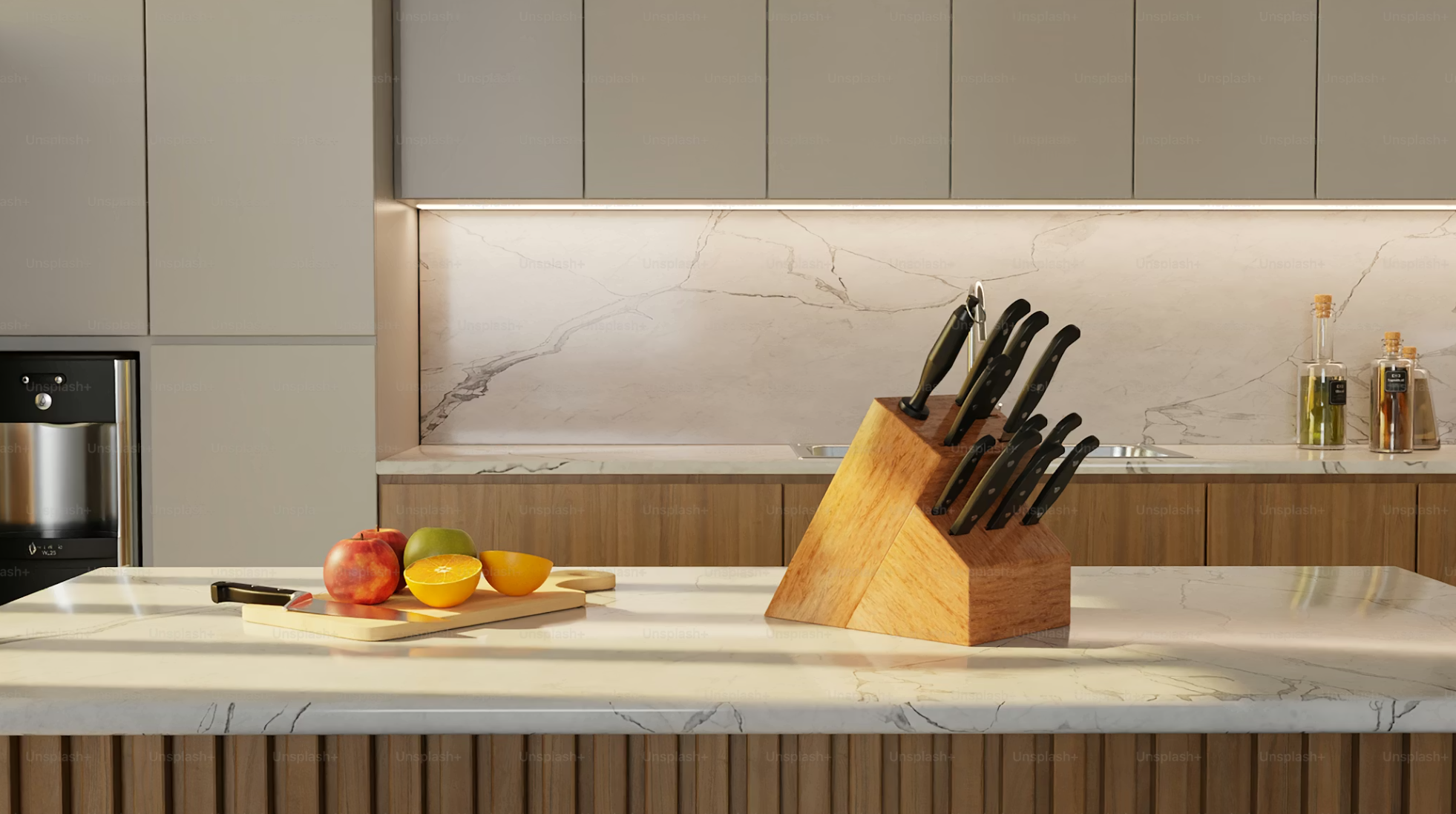
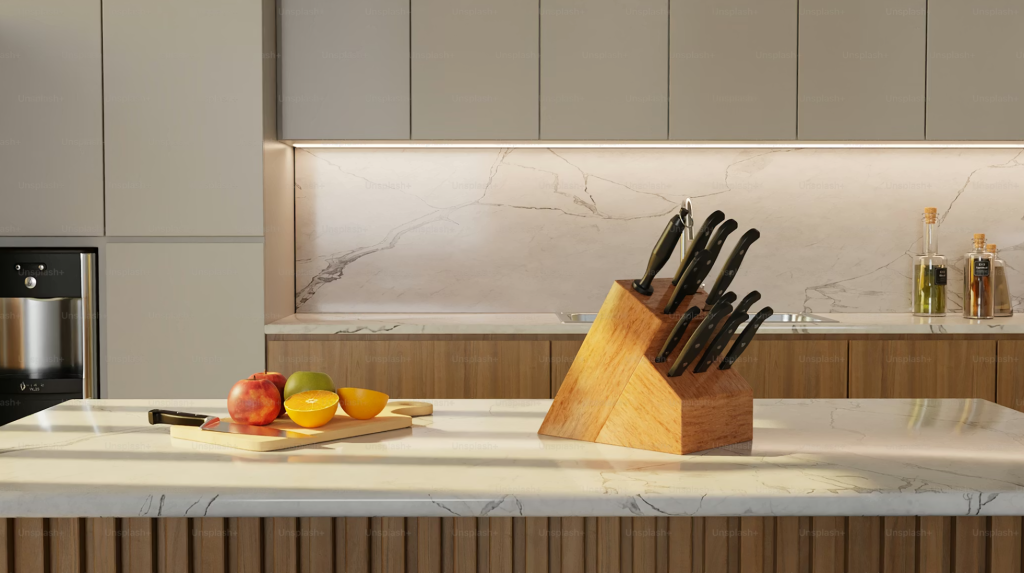
A kitchen with one sharp, comfortable chef’s knife is more useful than a full knife block filled with blades you never reach for. A chef’s knife can chop vegetables, slice meat, mince herbs, and handle most daily prep tasks. The best knife is not necessarily the most expensive one. It should feel balanced in your hand, be easy to control, and hold an edge reasonably well.
Alongside a chef’s knife, a small paring knife is useful for peeling, trimming, coring fruit, or working with smaller ingredients. A serrated knife is helpful for bread, tomatoes, citrus, and anything with a firm outside and soft inside.
Cutting boards matter more than many people realize. A stable board protects your countertops, improves safety, and makes prep more comfortable. Many homes benefit from having at least two boards: one for produce and bread, and another for raw meat or seafood. Plastic boards are easier to sanitize, while wood boards are attractive and gentle on knives. Whichever you choose, make sure the board does not slide around while you are cutting.
A knife sharpener or honing rod is also worth considering. A dull knife can be more dangerous than a sharp one because it requires more pressure and is more likely to slip. You do not need to become a sharpening expert overnight, but keeping knives in good condition makes cooking smoother and safer.
Prep Tools That Make Cooking Easier
Preparation is where a kitchen either feels effortless or frustrating. The right prep tools help you move through recipes without improvising every step.
Mixing bowls are essential for salads, batters, marinades, tossing vegetables, holding chopped ingredients, and serving casual dishes. A nesting set saves space and gives you flexibility. Stainless steel bowls are durable and lightweight, while glass bowls allow you to see contents and can often double as serving bowls.
A colander or strainer is useful for draining pasta, rinsing vegetables, washing fruit, and straining canned foods. A fine-mesh strainer adds even more flexibility for rinsing grains, dusting powdered sugar, or straining sauces.
A vegetable peeler, grater, and kitchen scissors are small tools that earn their place quickly. A peeler saves time with carrots, potatoes, apples, and cucumbers. A grater can handle cheese, citrus zest, garlic, ginger, and vegetables. Kitchen scissors are surprisingly useful for herbs, packaging, parchment paper, poultry, and quick trimming.
Tongs, a spatula, a wooden spoon, and a ladle cover most cooking movements. Tongs are like an extension of your hand, especially for turning food, tossing pasta, and serving. A flexible spatula is useful for eggs and pancakes, while a heat-resistant spatula helps scrape bowls and stir sauces. A wooden spoon is gentle on cookware and works for soups, sautés, and simmering dishes.
Measuring Tools for Better Results
Not every home cook measures everything, and many everyday meals can be made by feel. Still, measuring tools are important because they bring consistency. They are especially helpful for baking, sauces, marinades, rice, and any recipe you are trying for the first time.
Measuring cups and spoons are basic essentials. Choose a set with clear markings that will not fade quickly. A liquid measuring cup is helpful for water, milk, broth, oil, and other pourable ingredients. Dry measuring cups work best for flour, sugar, grains, and chopped ingredients.
A kitchen scale is optional for some homes but extremely useful for baking, portioning, meal prep, and reducing dishwashing. It can be more accurate than cups and often faster once you get used to it. If you cook from international recipes, a scale can also make measurements easier to follow.
A timer is another quiet essential. Most phones have one, but a dedicated kitchen timer can be helpful when your hands are busy or your phone is elsewhere. Overcooked pasta and forgotten roasted vegetables are often the result of confidence, not lack of skill.
Storage Essentials That Reduce Waste
Good food storage is not glamorous, but it can make your kitchen feel more organized and save money over time. Leftovers, chopped ingredients, opened pantry items, and meal prep portions all need a place to go.
A practical set of food storage containers should include a few sizes, stack neatly, and seal well. Glass containers are sturdy, easy to clean, and useful for reheating, while plastic containers are lighter and easier to carry. The best choice depends on your lifestyle. For home use, glass can feel cleaner and more durable. For packed lunches, lighter containers may be more convenient.
Reusable bags, clips, and airtight pantry containers can also help. Not every pantry needs to be decanted into matching jars, but flour, rice, cereal, pasta, nuts, and snacks stay fresher when sealed properly. Clear containers can make it easier to see what you have before buying duplicates.
Labeling is optional, but it helps when storing leftovers or freezing food. A simple date label can prevent the mystery-container problem that happens in many refrigerators.
Small Appliances Worth Considering
Small appliances can be helpful, but they are also where many kitchens become crowded. Before buying one, ask yourself three questions: Will I use it weekly? Does it solve a real problem? Do I have space to store and clean it?
A kettle is useful for tea, coffee, instant oatmeal, noodles, and quick hot water. A toaster or toaster oven is convenient for bread, bagels, reheating small portions, and crisping foods. A blender is helpful if you make smoothies, soups, sauces, or dressings. A food processor can save time if you chop, shred, or puree often, but it may be unnecessary for lighter cooking routines.
A rice cooker can be a smart essential in homes that eat rice frequently. It frees attention and often produces consistent results. An air fryer may be useful for people who like crisp textures and quick cooking, though it is not a replacement for every cooking method. A slow cooker or multi-cooker can support batch cooking, but only if it matches your meal style.
The mistake is not owning appliances. The mistake is collecting appliances that do not reflect your life. A kitchen counter should support your routine, not become a display shelf for good intentions.
Cleaning and Safety Essentials
A functional kitchen is not only about cooking. It also needs to be easy to clean and safe to use. Dish soap, sponges or brushes, microfiber cloths, trash bags, and a reliable drying rack are basic necessities. A small scrub brush can help with pans, sinks, and vegetables. Kitchen towels should be absorbent and easy to wash.
An oven mitt or heat-resistant gloves are essential for handling hot pans. Thin towels can slip, and using them as a substitute can lead to burns. A splatter screen is optional, but it can reduce mess when frying or simmering sauces.
A basic fire extinguisher rated for kitchen use is a smart safety addition. Many people remember cookware and forget safety tools until they need them. It is also wise to keep first-aid basics nearby, especially if you cook often.
Do not overlook proper lighting. A dim kitchen makes chopping, cleaning, and reading labels harder. If your kitchen lighting is poor, an under-cabinet light or small task light can make a surprising difference.
Serving Basics for Everyday Life
You do not need a formal entertaining collection to have a well-rounded kitchen. Everyday serving essentials are enough for most homes: plates, bowls, glasses, mugs, flatware, and a few serving pieces.
Choose items that fit your dishwasher, cabinets, and lifestyle. Large plates may look elegant but can be awkward in small cabinets. Delicate glasses may not suit a busy family kitchen. A set of simple bowls can serve cereal, soup, salad, rice dishes, and desserts.
A serving platter or large bowl is useful when hosting, but it does not need to be fancy. The goal is to make meals feel easy to share. Even a simple dinner feels more considered when food has enough room and the table does not feel improvised.
What Is Optional, Not Essential
Some kitchen items are useful for specific people but not necessary for everyone. Stand mixers, espresso machines, mandolines, pasta makers, specialty baking pans, garlic presses, avocado slicers, and spiralizers can be wonderful if you use them often. They can also become clutter if bought because they looked clever online.
The best way to decide is to wait until you notice a repeated need. If you keep making bread, a stand mixer might become worth it. If you slice vegetables daily, a mandoline may save time, though it requires careful handling. If you make coffee every morning, investing in better coffee equipment may improve your routine.
Optional does not mean wasteful. It simply means personal. Essentials are the tools most homes rely on. Optional tools should earn their space through repeated use.
Common Kitchen Buying Mistakes to Avoid
One common mistake is buying large sets before understanding your needs. Cookware sets, knife blocks, container bundles, and gadget kits can look economical, but they may include items you rarely use. A smaller number of thoughtfully chosen pieces is often better.
Another mistake is choosing style over function. A kitchen tool can be beautiful, but it also needs to be comfortable, durable, easy to clean, and suitable for your space. If a pan is too heavy, a cutting board too large for the sink, or a container too awkward to stack, you may avoid using it.
Many shoppers also overlook maintenance. Nonstick pans need gentle care. Wood cutting boards need proper drying. Cast iron needs seasoning. Knives need sharpening. If you prefer low-maintenance tools, choose accordingly. There is no shame in buying for the life you actually live.
Finally, avoid buying items for an imagined version of yourself. A kitchen should support your current habits while leaving room to grow. Start with the basics, then upgrade as your cooking becomes more specific.
How to Build a Kitchen Essentials List Over Time
If you are starting from scratch, begin with the most frequently used items: a chef’s knife, cutting board, skillet, saucepan, sheet pan, mixing bowl, spatula, tongs, measuring tools, storage containers, dish soap, towels, and oven mitts. With these pieces, you can prepare a wide range of simple meals.
After that, add based on your cooking style. If you cook pasta often, get a larger pot and colander. If you meal prep, invest in better containers. If you roast vegetables weekly, buy a second sheet pan. If you bake, add a scale, cooling rack, and baking dishes. Let your kitchen grow in response to your routines.
It also helps to review your kitchen every few months. Notice what you reach for constantly and what never moves. The most-used items may be worth upgrading. The unused items may not belong in your prime storage space.
A well-built kitchen is not finished in one shopping trip. It becomes better through use.
Balanced Final Takeaway
The best kitchen essentials are not about perfection. They are about confidence, comfort, and consistency. A good kitchen helps you make breakfast on a busy morning, prepare a simple dinner after work, store leftovers without waste, and clean up without dread.
Every home should have reliable basics, but every home does not need the same kitchen. Your essentials should reflect your meals, your space, your budget, and your patience for maintenance. Choose versatile tools first, avoid clutter disguised as convenience, and upgrade slowly when a real need appears.
A thoughtful kitchen is one of the most practical luxuries in daily life. It does not need to be expensive or impressive. It simply needs to work well for the way you live.
Conclusion
Kitchen essentials are the quiet helpers behind better home cooking. They make ordinary routines smoother and help turn ingredients into meals with less stress. From a dependable skillet and sharp knife to smart storage containers and simple cleaning tools, the right pieces create a kitchen that feels calm, capable, and ready.
Instead of chasing every new gadget, focus on quality, usefulness, and fit. Start with the basics, learn what you use most, and build your kitchen gradually. When every item has a purpose, cooking becomes less of a chore and more of an everyday rhythm you can actually enjoy.
FAQs
What are the most important kitchen essentials for beginners?
Beginners should start with a chef’s knife, cutting board, skillet, saucepan, sheet pan, mixing bowl, spatula, tongs, measuring cups and spoons, food storage containers, oven mitts, and basic cleaning supplies. These items cover most everyday cooking tasks without overwhelming your space or budget.
Do I need a full cookware set?
Not necessarily. A full cookware set can be useful, but many people only use a few pieces regularly. It is often smarter to buy a good skillet, saucepan, large pot, and sheet pan first, then add more cookware if your cooking routine calls for it.
Which kitchen appliances are truly worth buying?
The best appliances depend on your habits. A kettle, toaster, blender, rice cooker, or air fryer can be useful if you use them often. Before buying any appliance, consider how frequently you will use it, how much space it requires, and how easy it is to clean.
How can I organize kitchen essentials in a small kitchen?
Choose stackable items, nesting bowls, compact cookware, and multi-use tools. Keep daily essentials within easy reach and store rarely used items higher up or farther away. Avoid buying bulky single-purpose gadgets unless they solve a frequent problem.
How do I avoid wasting money on kitchen tools?
Buy slowly and focus on real needs. Avoid large sets filled with items you may not use, and do not buy tools only because they are trendy. Look for durable, versatile pieces that match your cooking style, storage space, and maintenance preferences.


You May Also Like
Smart Storage Ideas for a Cleaner and More Organized Home

Useful Tech Gadgets That Can Improve Everyday Productivity