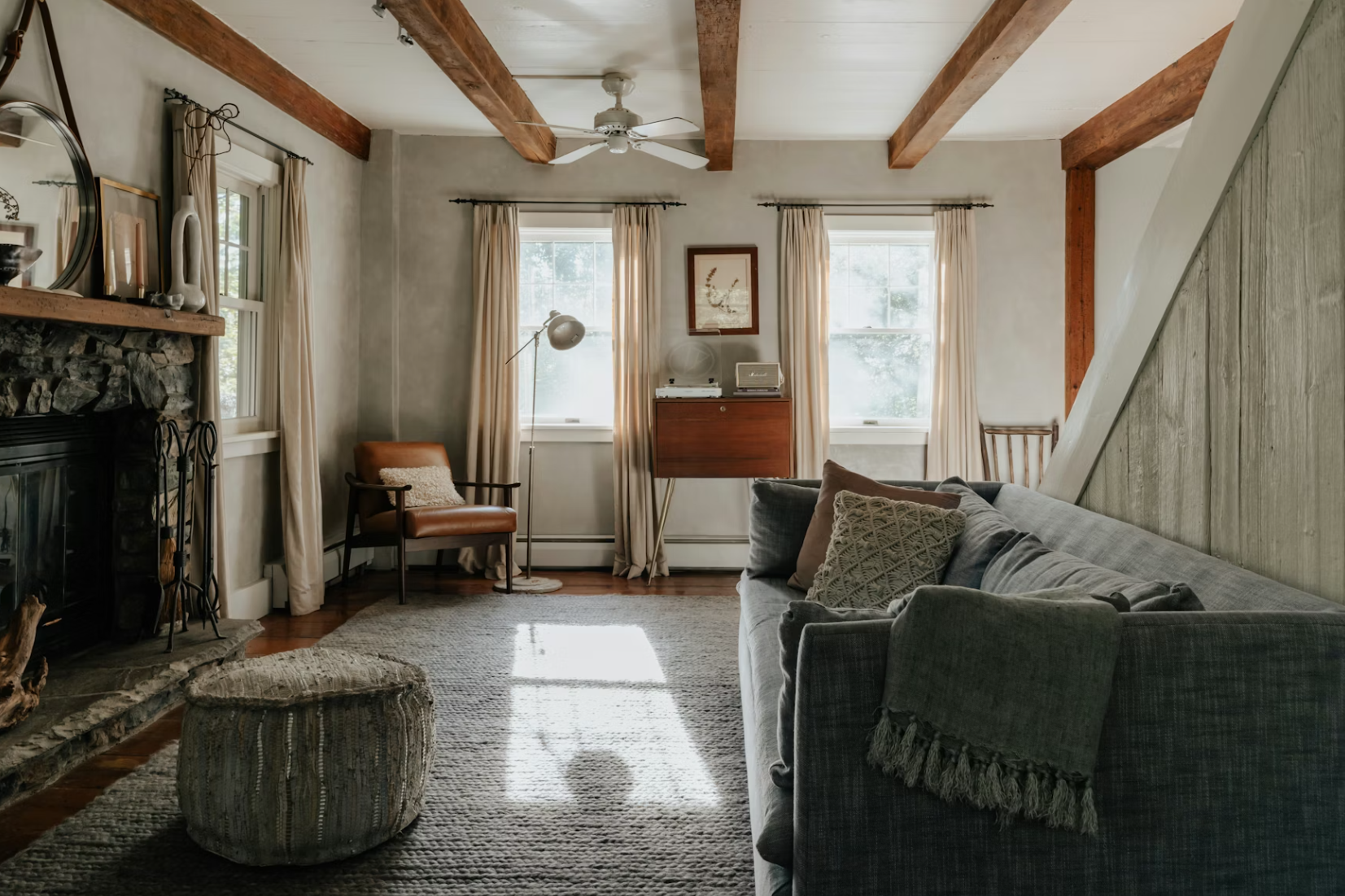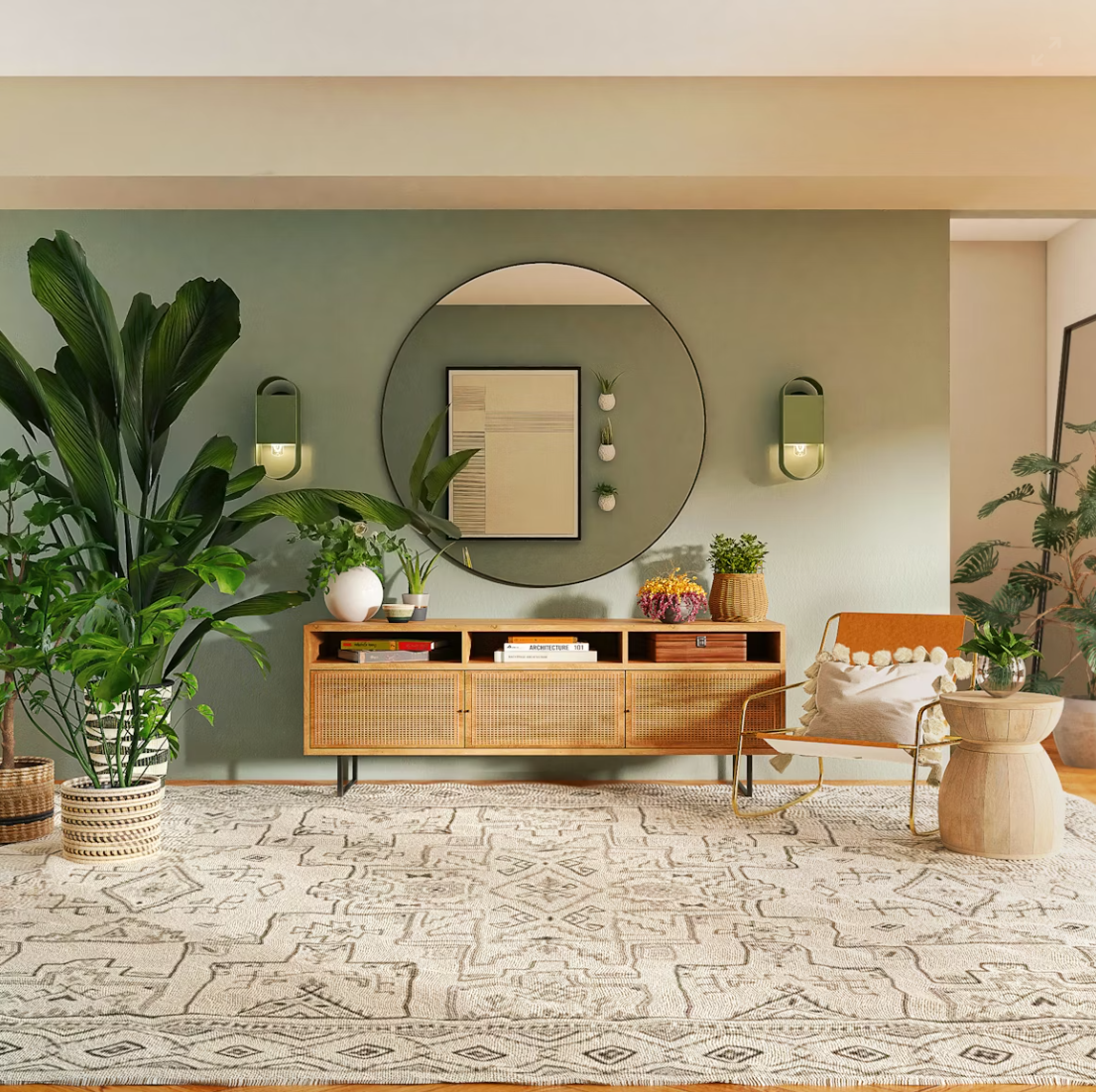
How to Choose Home Decor That Matches Your Lifestyle
A beautiful room is easy to admire, but a livable room is the one you return to at the end of a long day and instantly feel at ease. That is the real test of good home decor. It is not only about the vase on the console table, the cushions on the sofa, or the color of the curtains. It is about whether your home supports the way you wake up, work, relax, eat, host, recharge, and move through daily life.
Many shoppers begin decorating with a mood board, a social media image, or a sale they do not want to miss. Those can be helpful starting points, but they can also lead to rooms that look attractive yet feel uncomfortable or impractical. A delicate glass coffee table may photograph beautifully, but it might not suit a family with young children. A pale linen sofa may feel elegant, but it may not be the best match for pets, frequent guests, or movie nights with snacks. The best decor choices are not always the most dramatic ones. They are the choices that quietly make your life feel smoother, warmer, and more personal.
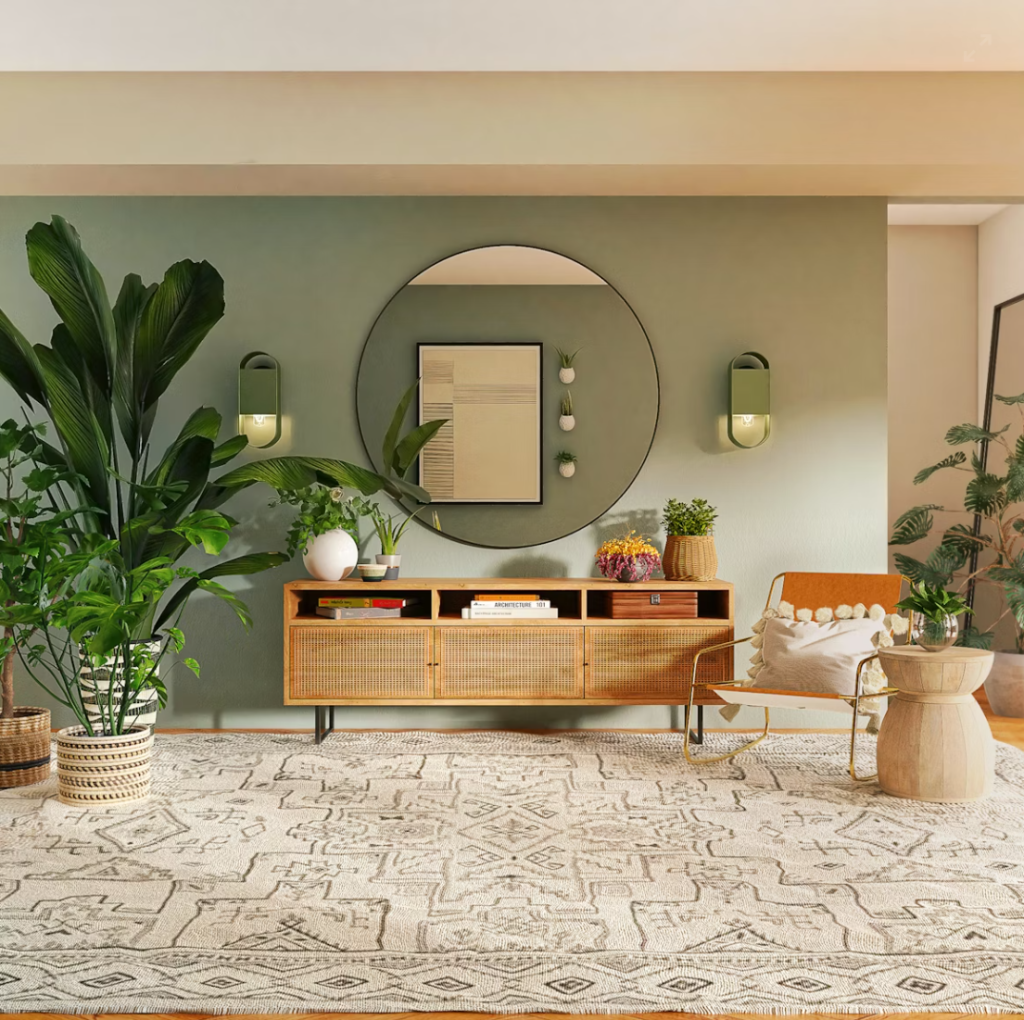
Choosing home decor that matches your lifestyle means looking beyond trends and asking better questions. How do you actually use your space? What do you need to store? How much maintenance are you willing to do? Do you prefer calm minimal rooms or layered spaces full of personality? Are you decorating for peaceful evenings, lively gatherings, focused work, or a mix of everything?
When you understand your lifestyle first, decor becomes less confusing. You can choose pieces with purpose, avoid expensive mistakes, and create a home that feels stylish without pretending to be someone else’s life.
Start With How You Really Live
Before buying a rug, lamp, mirror, or accent chair, look at your routines. A home is not a showroom. It is a living environment, and every choice should respond to real behavior.
Think about a typical weekday. Where do you drop your keys? Where do bags collect? Do you eat at the dining table, on the sofa, or at a kitchen island? Do you work from home? Do you exercise indoors? Do you need a reading corner, a play area, or a quiet place away from screens?
Now think about weekends. Do you host friends? Do you cook often? Do you prefer staying in with a movie, or do you need your home to reset quickly because you are often out? These details matter because decor should solve daily friction, not create more of it.
For example, someone who loves hosting may benefit from flexible seating, durable surfaces, warm lighting, and easy-to-clean textiles. Someone who values quiet evenings may prefer soft textures, low visual clutter, and calming colors. A person who works from home may need decor that looks polished on video calls while still supporting comfort and organization.
Lifestyle-first decorating is honest decorating. It starts with your habits, not an idealized version of your home.
Define Your Practical Needs Before Your Style
Style is important, but function should come first. A beautiful room that does not work for daily life quickly becomes frustrating.
Begin by listing the practical needs of each space. In a living room, you may need seating, storage, lighting, surfaces for drinks, and enough open floor space to move comfortably. In a bedroom, you may need blackout curtains, bedside storage, soft lighting, and calming textures. In an entryway, you may need hooks, a shoe solution, a mirror, and a place for small everyday items.
Once these needs are clear, you can choose decor that supports them. A storage ottoman may suit a compact apartment better than a purely decorative coffee table. Wall shelves may be more useful than a large bookcase in a narrow room. A washable rug may be more practical than a delicate vintage-style piece in a busy household.
This does not mean your home has to look purely functional. The best decor often combines beauty and usefulness. A woven basket can hide clutter while adding texture. A ceramic tray can organize items while making a surface feel intentional. A floor lamp can create atmosphere while solving a lighting problem.
When practical needs guide your choices, your home feels designed rather than simply decorated.
Choose a Style Direction, Not a Strict Theme
One common mistake is trying to force a room into a rigid theme. A theme can become too literal: coastal signs, farmhouse slogans, or overly matched furniture sets. A style direction is more flexible. It gives your home visual consistency without making it feel staged.
Instead of saying, “I want a modern farmhouse room,” try describing the feeling you want. You might want the room to feel relaxed, warm, natural, and welcoming. Instead of “luxury hotel style,” you might want polished surfaces, layered lighting, crisp bedding, and a calm color palette.
This approach gives you more freedom. You can mix materials, update pieces over time, and include personal items without breaking the look. It also helps your home feel more original.
A useful style direction may include three to five words. For example:
Warm, minimal, organic, calm
Classic, polished, comfortable, tailored
Colorful, playful, collected, creative
Soft, neutral, cozy, natural
Clean, urban, practical, compact
Use these words as a filter when shopping. If an item does not support the feeling you want, it may not belong, even if it is attractive on its own.
Build Around a Color Palette That Fits Your Mood
Color strongly affects how a room feels. It can make a space feel larger, cozier, brighter, calmer, more energetic, or more sophisticated. The right palette depends on both your taste and your lifestyle.
If your days are busy and overstimulating, you may prefer soft neutrals, muted greens, warm whites, gentle blues, or earthy tones. These colors can help create a sense of calm. If you want your home to feel expressive and creative, richer colors such as terracotta, olive, navy, rust, plum, or mustard can add depth and personality.
A practical approach is to choose a base color, a secondary color, and one or two accent colors. The base might be used on walls, large furniture, or rugs. The secondary color can appear in curtains, chairs, bedding, or artwork. Accent colors can be added through cushions, ceramics, books, throws, or smaller decorative objects.
Do not choose colors only because they are trending. A fashionable color that does not suit your mood or lighting can become tiring quickly. Also consider natural light. A color that looks fresh in a bright room may appear dull in a darker room. Whenever possible, view samples at different times of day before committing to large purchases.
Your color palette should feel like a background for your life, not a costume your home has to wear.
Match Materials to Maintenance Level
Every material has a personality, and every material asks something from you. Some are forgiving. Some are delicate. Some age beautifully. Others show every mark.
This is where lifestyle becomes especially important. If you have children, pets, frequent visitors, or a busy schedule, durability may matter more than visual perfection. Performance fabrics, washable covers, darker woven textures, sturdy wood, metal, and easy-clean surfaces can be smart choices.
If you enjoy careful maintenance and appreciate refined details, you may be comfortable with marble, pale upholstery, delicate ceramics, or natural fibers that need more attention. These materials can be beautiful, but they require realistic expectations.
Wood adds warmth and can suit many styles, but softer woods may dent. Glass feels airy and modern, but it shows fingerprints. Linen looks relaxed and elegant, but it wrinkles. Velvet can feel luxurious, but the right type and color matter if you are concerned about wear. Jute and sisal rugs add natural texture, but they may not feel soft underfoot and may be harder to clean in some situations.
A smart shopper does not ask only, “Is this beautiful?” They also ask, “Can I live with this every day?”
Think About Scale Before Buying Decor
Scale is one of the biggest reasons a room can feel off, even when the individual pieces are attractive. A rug that is too small can make a living room feel disconnected. Art that is too tiny above a sofa can look accidental. A lamp that is too short may not provide the right light or visual balance.
Before buying, measure your space. This simple step can save money and frustration. For furniture and larger decor, check width, depth, height, and clearance. Make sure doors can open, drawers can pull out, and walkways remain comfortable.
Rugs are especially important. In a living room, a rug should usually be large enough to connect the main seating pieces, even if only the front legs of the sofa and chairs rest on it. In a bedroom, the rug should extend beyond the sides of the bed so your feet land on something soft. In a dining area, the rug should allow chairs to slide back without catching at the edge.
Wall decor also needs scale. A large wall may need one substantial piece, a pair of artworks, or a thoughtful gallery arrangement. Small items scattered across a big wall can feel visually weak. On the other hand, oversized pieces in a narrow space can feel crowded.
Good scale makes a room feel calm, balanced, and intentional.
Use Lighting as Decor, Not an Afterthought
Lighting changes everything. It affects color, mood, comfort, and how expensive a room feels. A well-decorated room with poor lighting can still feel cold or unfinished.
Most rooms benefit from layered lighting. This means using more than one light source instead of relying only on a ceiling fixture. Ambient lighting provides general brightness. Task lighting helps with reading, cooking, grooming, or working. Accent lighting adds atmosphere and highlights special areas.
In a living room, this might mean a ceiling light, a floor lamp near a chair, and a small table lamp on a console. In a bedroom, it may include bedside lamps, a soft overhead fixture, and a small light near a dressing area. In a kitchen, under-cabinet lighting can be both practical and beautiful.
The style of lighting also matters. A sculptural lamp can act like art. A woven pendant can warm up a room. A slim metal lamp can add a modern touch. A ceramic base can bring softness and handmade character.
For lifestyle matching, consider how you use the room at different times. Bright light may help in the morning, while soft warm light may feel better in the evening. If you entertain, dimmable lighting can make a space more flexible.
Choose Storage That Looks Intentional
Clutter is often not a personal failure. It is usually a storage problem. If your decor does not provide a home for everyday items, surfaces will quickly become crowded.
Good storage should match both your lifestyle and your style direction. A busy family may need closed cabinets, baskets, hooks, and easy-access bins. A minimalist may prefer hidden storage and clean-lined furniture. A collector may enjoy open shelving, display cabinets, or carefully styled bookcases.
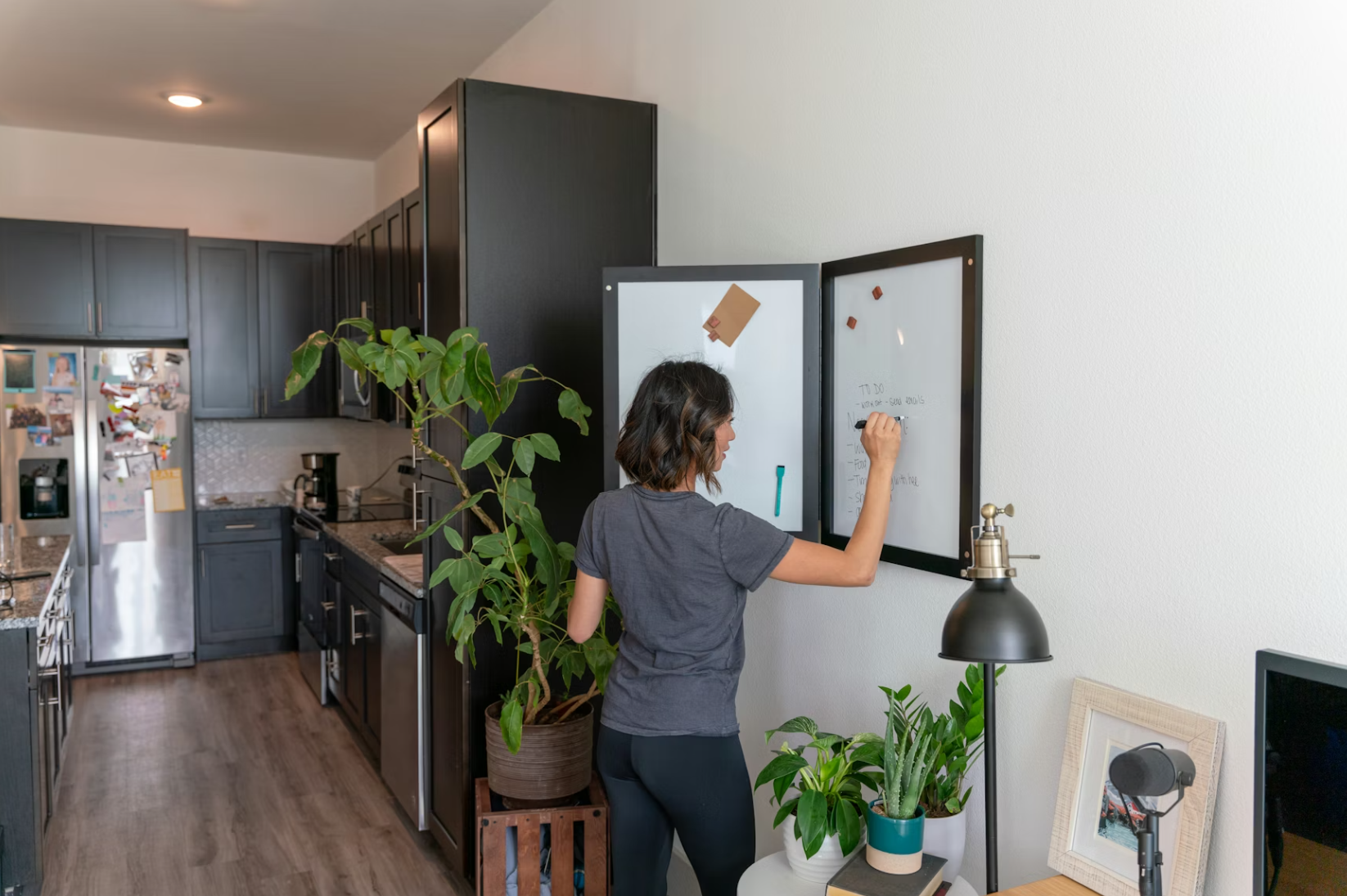
Think about what you need to store before choosing storage pieces. Blankets, toys, books, cables, shoes, beauty products, office supplies, and pet items all require different solutions. The more specific you are, the better your choices will be.
Decorative storage is especially useful because it does double duty. A lidded basket can hold throws. A tray can gather remotes and candles. A storage bench can support an entryway. A sideboard can hide dining essentials while anchoring a room.
A home that is easy to tidy is easier to enjoy.
Add Personality Without Creating Visual Noise
A lifestyle-matched home should feel personal. It should show signs of who lives there. But personality does not have to mean filling every surface.
Start with meaningful items: artwork, books, travel finds, family objects, handmade pieces, favorite colors, or items connected to hobbies. Then give them room to breathe. A few personal objects displayed thoughtfully can have more impact than a shelf packed with unrelated items.
One helpful method is to group decor in small arrangements. A lamp, a framed photo, and a small bowl can make a console feel finished. A stack of books with a ceramic object can warm up a coffee table. A vase with branches can bring height to a dining surface.
Vary height, texture, and shape. Mix smooth with woven, tall with low, matte with glossy, soft with structured. This creates richness without needing too many objects.
Your home does not need to explain your entire life at once. It can reveal your personality quietly, one detail at a time.
Decorate for Your Season of Life
A home should evolve. What worked five years ago may not fit now. A first apartment, a shared home, a family house, and a downsized space all ask for different choices.
If you are in a temporary rental, focus on portable decor: rugs, lamps, curtains, removable hooks, art, bedding, and flexible storage. If you are settling into a long-term home, you may be ready to invest in larger foundational pieces such as a sofa, dining table, bed frame, or quality lighting.
If your lifestyle is changing, avoid overbuying too quickly. A new job, new baby, new pet, or move to a different climate can shift what you need. In these moments, choose adaptable pieces. Modular storage, neutral foundation furniture, washable textiles, and versatile lighting can help your home adjust with you.
Decorating is not a race. A layered home often feels better than one furnished all at once. Let your space develop as your routines become clearer.
Know Where to Save and Where to Invest
Smart home decor shopping is not about buying the cheapest or most expensive version of everything. It is about knowing which pieces carry the most weight in your daily life.
Consider investing more in items you use constantly: a supportive sofa, a comfortable mattress, durable dining chairs, quality curtains, or lighting that improves the way you live. These pieces affect comfort every day.
You can often save on trend-driven accessories such as cushion covers, small decorative objects, seasonal pieces, and accent colors. These are easier to update when your taste changes.
Rugs, lamps, and storage can fall somewhere in the middle. A well-chosen rug can transform a room, but it should match your maintenance needs. A lamp can be both practical and decorative, but you may not need a designer version to get the right effect. Storage should be sturdy enough for daily use, especially in high-traffic areas.
When considering a purchase, ask yourself how often you will use it, how long you expect to keep it, and whether it solves a real problem. That mindset helps prevent impulse buys.
Common Mistakes to Avoid
One of the biggest mistakes is buying decor before understanding the room. This often leads to pieces that do not fit, do not match, or do not solve any need. Measure first, observe your habits, and identify what is missing.
Another mistake is copying a room exactly from a photo. Inspiration is useful, but your home has different light, dimensions, architecture, and routines. Use images for direction, not duplication.
Avoid choosing style over comfort in rooms where you spend a lot of time. A beautiful chair that no one wants to sit in is more sculpture than furniture. That may be fine in a formal corner, but not in a daily living space.
Do not ignore lighting. Many people spend on furniture and accessories but leave rooms with one harsh overhead light. Better lighting can make existing decor look more refined.
Also be careful with buying too many small items. Small decor can seem affordable, but too much of it creates clutter and visual confusion. Sometimes one larger, better-scaled piece is more effective than five tiny ones.
Finally, avoid decorating for a fantasy lifestyle. If you rarely host formal dinners, you may not need an elaborate dining setup. If you love casual evenings, choose pieces that support that comfort. Your home should respect your real life.
A Simple Room-by-Room Lifestyle Guide
In the living room, focus on comfort, conversation, and daily use. Choose seating that fits how many people usually gather there. Add tables within reach, lighting for evenings, and storage for remotes, blankets, books, or games.
In the bedroom, prioritize rest. Soft lighting, comfortable bedding, calming colors, and uncluttered surfaces can make the room feel more peaceful. Decor should support sleep rather than overstimulate the space.
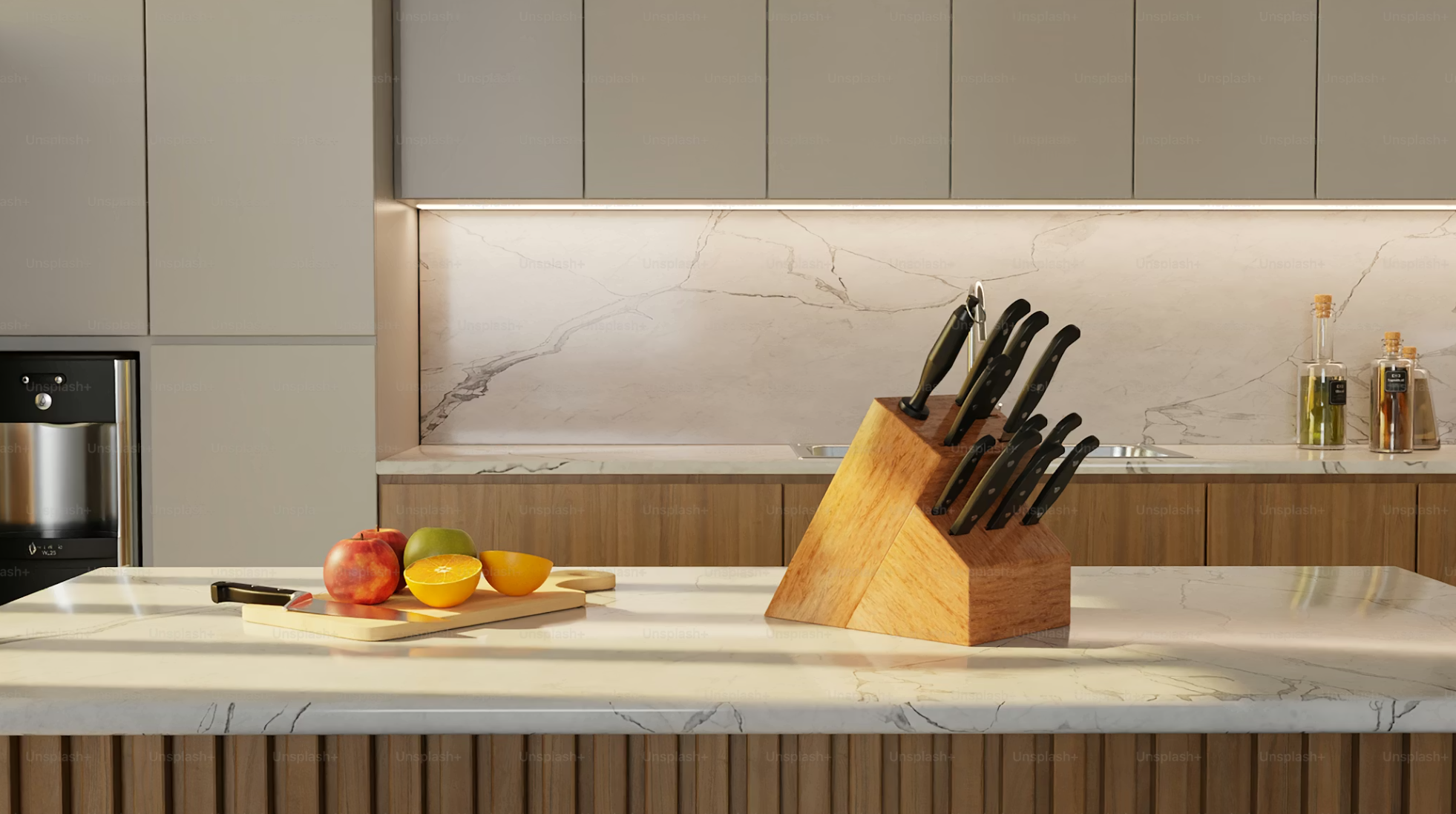
In the kitchen and dining area, think about movement and cleaning. Decorative items should not block essential tasks. Choose easy-clean surfaces, practical lighting, and simple accents that can handle daily activity.
In the entryway, focus on transition. This area sets the tone for your home, but it also needs to catch real-life items. A mirror, hooks, shoe storage, and a small tray can make a major difference.
In a home office, balance focus and warmth. Choose decor that keeps you organized while making the space pleasant enough to use. Good lighting, a comfortable chair, and a clean background can support both productivity and mood.
Final Takeaway
The best home decor does more than fill empty space. It supports your routines, reflects your taste, and makes ordinary moments feel easier and more enjoyable. When you decorate around your lifestyle, you stop chasing someone else’s version of a beautiful home and start building a space that feels deeply useful and personal.
Choose pieces that match how you live now, with enough flexibility for the life you are growing into. Let function guide the foundation, style shape the mood, and personality bring the room to life. A well-decorated home does not need to be perfect. It simply needs to feel like a place where your life can unfold comfortably, beautifully, and honestly.
Conclusion
Choosing home decor that matches your lifestyle is about making thoughtful decisions rather than quick decorative fixes. Start with your routines, define your needs, choose materials you can maintain, and create a style direction that feels natural to you. When beauty and practicality work together, your home becomes more than a collection of attractive pieces. It becomes a space that welcomes you, supports you, and quietly improves the way you live every day.
Frequently Asked Questions
How do I know what home decor style fits my lifestyle?
Start by looking at your daily habits instead of only your visual preferences. If you like calm and order, a minimal or neutral style may suit you. If you enjoy creativity and collecting, a more layered style may feel better. The right style should support your routines, maintenance level, and comfort needs.
Should I follow home decor trends?
Trends can be useful for inspiration, but they should not control your choices. Use trends in small, easy-to-change details such as cushions, vases, artwork, or accent colors. For larger purchases, choose pieces that fit your lifestyle and that you can imagine enjoying for several years.
What home decor items are worth investing in?
Items you use every day are often worth a higher budget. This may include a sofa, mattress, dining chairs, curtains, rugs, and lighting. Decorative accessories can usually be more affordable because they are easier to replace when your taste changes.
How can I make my home look stylish but still practical?
Choose decor that does more than one job. Storage baskets, trays, lamps, washable rugs, and attractive shelving can add beauty while solving everyday problems. A stylish home feels best when it is also easy to use, clean, and maintain.
What is the biggest mistake people make when choosing home decor?
A common mistake is buying pieces because they look good individually without considering the room as a whole. Always think about scale, color, function, material, and how the item will fit into your daily life before purchasing.
You May Also Like
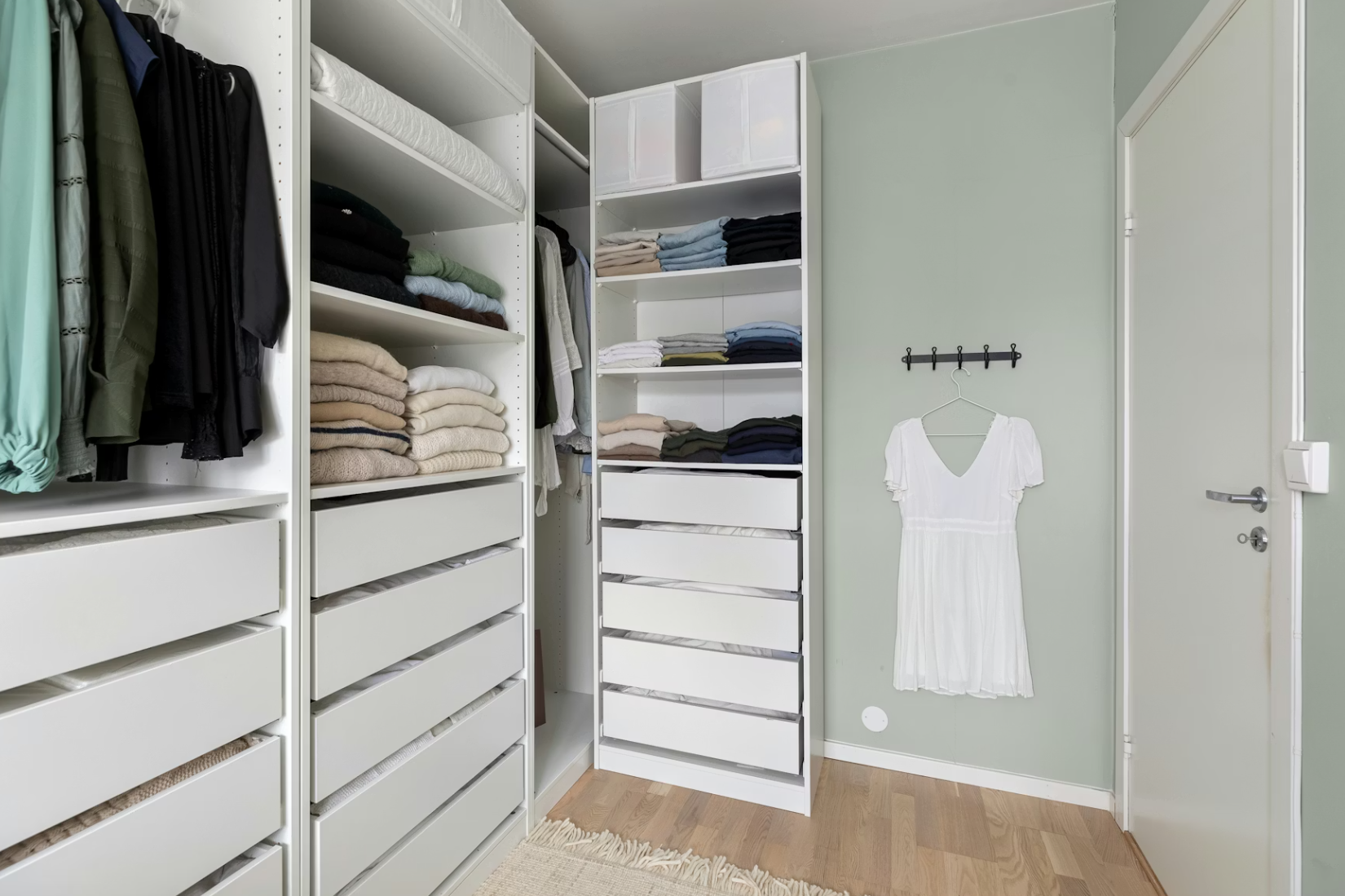
Smart Storage Ideas for a Cleaner and More Organized Home
Kitchen Essentials Every Home Should Have