Practical Home Essentials That Make Daily Life Easier
There is a quiet kind of luxury in a home that simply works. Not the showroom-perfect kind, where every cushion is untouched and every surface looks staged, but the everyday kind: the drawer that opens without chaos, the kitchen tool that saves ten minutes on a busy morning, the soft lighting that makes evening routines feel calmer, the storage basket that keeps small messes from becoming big ones.
Daily life is full of tiny frictions. A missing charger. A cluttered entryway. A kitchen cabinet that hides the one thing you need. A laundry routine that takes longer than it should. None of these problems are dramatic on their own, but together they can make a home feel harder to live in than it needs to be.
That is where practical home essentials matter. The right items do not just make your space look better. They help your routines move more smoothly, reduce decision fatigue, and support the way you actually live. A well-chosen home essential should feel useful after the novelty fades. It should earn its place not because it is trendy, but because it solves a real problem.
This guide looks at practical home essentials that can make daily life easier, from kitchen helpers and cleaning tools to storage solutions, comfort upgrades, and small organization pieces. The goal is not to fill your home with more things. It is to choose better things, avoid wasteful purchases, and build a home that feels easier to maintain, use, and enjoy.
What Makes a Home Essential Truly Practical?
A practical home essential is not necessarily the most expensive, most stylish, or most viral item. It is something that improves daily living in a clear and repeated way. It saves time, reduces clutter, increases comfort, improves organization, or helps you complete a task with less effort.
The best home essentials usually share a few qualities. They are easy to use, simple to clean, durable enough for regular use, and suited to your space. They also fit naturally into your routine. A beautifully designed item that sits unused in a cabinet is not practical. A plain but reliable item that you reach for every day may be far more valuable.
Before buying anything for your home, ask a simple question: What problem is this solving? If the answer is vague, the purchase may be more about impulse than usefulness. If the answer is specific, such as keeping cords organized, making meal prep faster, improving closet space, or simplifying cleaning, the item is more likely to add real value.
Practical essentials should also match your lifestyle. A large family may benefit from bulk storage bins, extra laundry baskets, and meal-prep containers. A small apartment may need collapsible tools, vertical storage, and multipurpose furniture. Someone who cooks daily will prioritize kitchen organization, while someone who works from home may value lighting, cable management, and ergonomic accessories.
The Kitchen Essentials That Save Time Every Day
The kitchen is often where convenience matters most. Even people who do not cook elaborate meals still need a space that supports simple routines: making coffee, preparing breakfast, packing lunch, reheating leftovers, or cleaning up quickly after dinner.
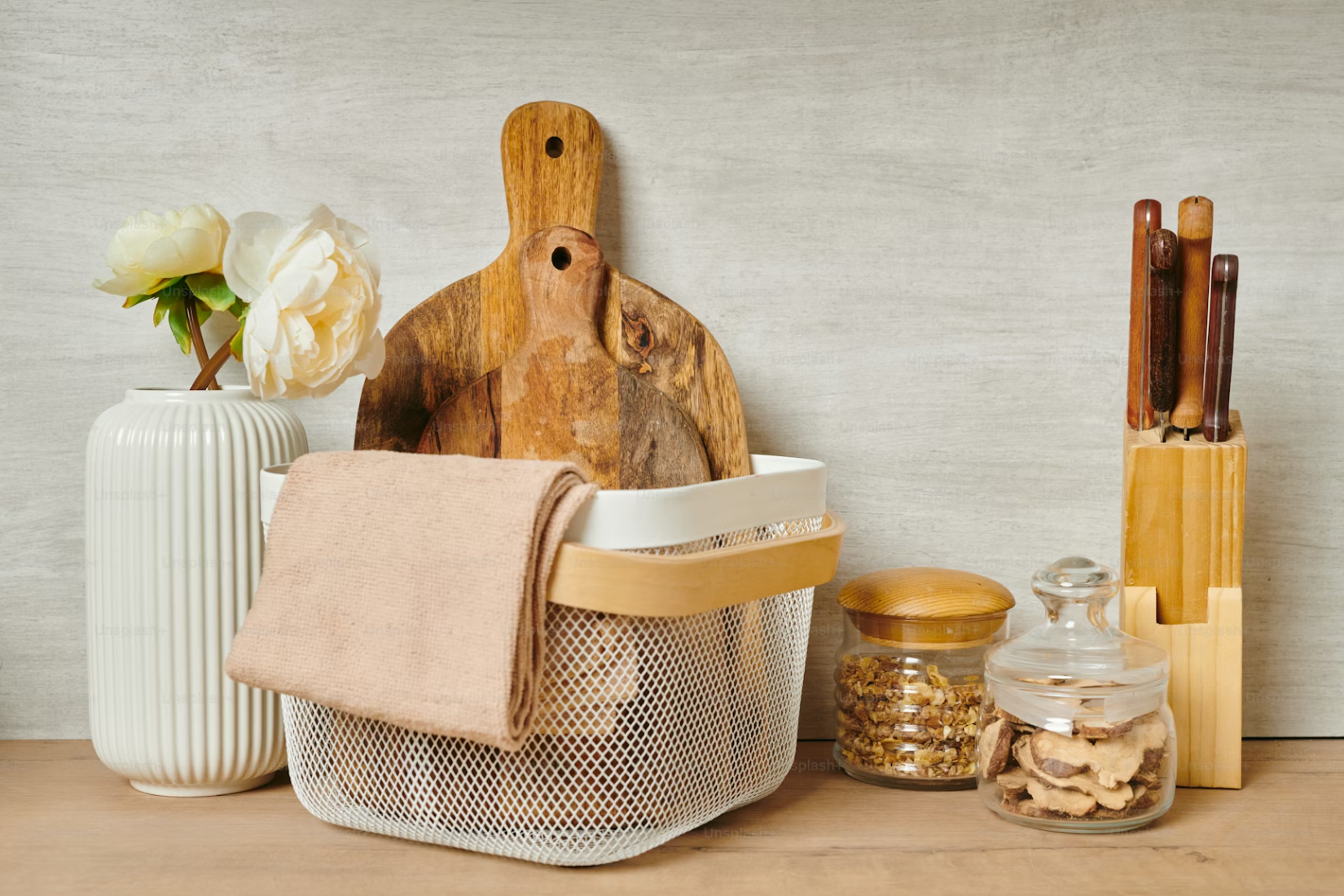
A good cutting board is one of the most basic but valuable kitchen essentials. It should be sturdy, easy to wash, and large enough to prep ingredients without feeling cramped. Many households benefit from having more than one cutting board, especially if they separate raw proteins from fruits, vegetables, and bread.
Sharp, reliable knives can also make daily cooking easier. You do not need a huge knife block. For many homes, a chef’s knife, a paring knife, and a serrated knife are enough for most tasks. A sharp knife is not only more efficient, but also safer when used properly, because it requires less force and gives you more control.
Food storage containers are another practical upgrade. Clear, stackable containers make leftovers easier to see and use, reducing food waste and refrigerator clutter. Look for containers that nest neatly, seal securely, and are easy to clean. Glass containers are useful for reheating, while lightweight plastic containers may be better for lunches, snacks, or family use.
A simple dish drying rack, sponge holder, or sink caddy can also improve the kitchen without taking much space. These items keep wet tools off the counter and help the sink area feel less messy. For small kitchens, compact or roll-up drying racks can be especially useful because they provide function without permanently occupying counter space.
Small Appliances Worth Considering
Small appliances can be helpful, but they are also easy to overbuy. The key is to choose appliances that match your actual habits, not an idealized version of your lifestyle.
An electric kettle is a smart essential for tea drinkers, coffee lovers, instant oatmeal fans, and anyone who regularly needs hot water. It heats water quickly and often feels more convenient than using a stovetop kettle.
A toaster oven or air fryer can be useful for quick meals, reheating leftovers, or cooking small portions without turning on a full oven. These appliances can be especially practical for busy households, students, or people living in smaller spaces. Before buying one, consider counter space, cleaning requirements, and whether it overlaps too much with appliances you already own.
A compact blender may be worth it if you regularly make smoothies, sauces, soups, or protein drinks. However, if you only imagine using it occasionally, it may become another appliance that takes up cabinet space. The best appliance is the one that supports a routine you already have or genuinely want to maintain.
Cleaning Tools That Make Maintenance Less Overwhelming
A clean home is easier to enjoy, but cleaning should not feel like an all-day event. The right tools can make small, regular cleaning habits more manageable.
A lightweight vacuum or cordless stick vacuum can be a major daily-life upgrade, especially for homes with pets, children, rugs, or high-traffic floors. The advantage is convenience. When a vacuum is easy to grab and use, quick cleanups become less of a chore.
Microfiber cloths are another simple essential. They are useful for dusting, wiping counters, cleaning mirrors, and handling spills. Because they can often be washed and reused, they are a practical alternative to relying heavily on disposable wipes or paper towels.
A good mop system can make floor cleaning easier and more consistent. Spray mops, flat mops, and washable mop pads are popular because they are quick to use and easy to store. The best choice depends on your flooring type and cleaning preferences. Always check whether a cleaning solution or mop style is suitable for wood, tile, laminate, or vinyl floors.
For bathrooms, a small daily-use cleaning caddy can help keep supplies in one place. A glass cleaner, toilet brush, scrub brush, disinfecting cleaner, and microfiber cloth can cover many routine tasks. Keeping supplies close to where they are used reduces the mental barrier to cleaning.
Entryway Essentials for a Smoother Start and End to the Day
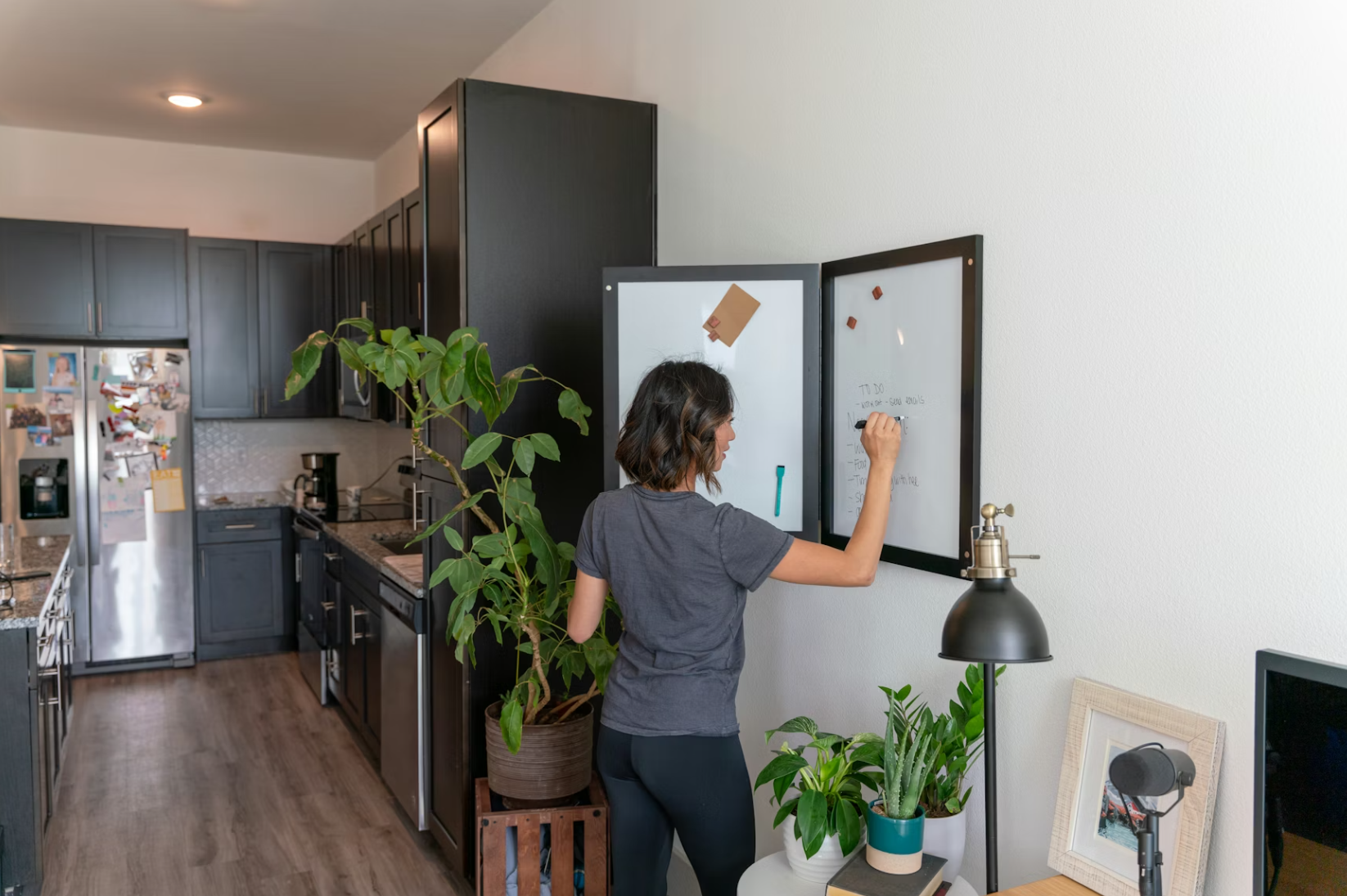
The entryway is one of the most underrated areas of the home. It is where you leave and return, where keys disappear, shoes pile up, bags land, and mail often creates clutter. A well-organized entryway can make mornings calmer and evenings more orderly.
A shoe rack or shoe cabinet is one of the most useful entryway essentials. It keeps footwear from spreading across the floor and makes it easier to find the pair you need. In smaller homes, a slim vertical rack or bench with shoe storage can be a smart choice.
A key tray, wall hook, or small catchall bowl can prevent the daily search for keys, wallets, sunglasses, and earbuds. The important part is consistency. Choose one landing spot and use it every time you walk in.
Hooks are also practical for bags, coats, umbrellas, and hats. Wall-mounted hooks can save floor space, while freestanding racks may work better for renters who cannot drill into walls. If your entryway feels cluttered, focus first on what gets dropped there most often and solve that problem before adding decorative pieces.
A small mat inside and outside the door can also reduce dirt throughout the home. This is a simple detail, but it makes cleaning easier, especially during rainy seasons or in households with pets.
Storage Solutions That Reduce Visual Clutter
Good storage is not about hiding everything. It is about making items easy to find, easy to return, and visually calmer to live with.
Baskets are among the most flexible home organization tools. They work in living rooms, bathrooms, closets, laundry areas, and children’s rooms. A basket can hold blankets, toys, toiletries, cables, cleaning supplies, or accessories. The best baskets are sized to the space and the items they hold. Too large, and they become clutter bins. Too small, and they lose usefulness.
Drawer organizers can make a surprising difference in kitchens, bathrooms, desks, and dressers. Instead of digging through a messy drawer, you can create small zones for daily items. This is especially helpful for utensils, makeup, office supplies, socks, chargers, and grooming tools.
Clear bins are useful in pantries, closets, and under-sink areas because they let you see what you have. Labeling them can make the system even easier to maintain, especially in shared households. Labels do not need to look decorative. They just need to make the system clear.
Vertical storage is especially helpful in small spaces. Shelf risers, over-the-door organizers, wall shelves, and stackable bins help use space that often goes unused. However, vertical storage should still be accessible. If you need a step stool every time you want something, reserve that area for items you use less often.
Laundry Essentials That Make the Routine Easier
Laundry is one of those household tasks that never really ends. A few practical essentials can make the process smoother from sorting to folding.
A divided laundry hamper helps separate clothes before laundry day. This can reduce sorting time and make it easier to manage whites, darks, delicates, towels, or workout clothes. For small spaces, collapsible hampers or slim rolling hampers can be more practical.
Mesh laundry bags are useful for delicates, socks, undergarments, reusable cleaning pads, and small items that tend to get lost. They also help protect certain fabrics from snagging or stretching.
A sturdy drying rack is helpful even if you own a dryer. Some clothes last longer when air-dried, and a foldable rack can be stored away when not in use. For apartments, wall-mounted or over-the-door drying options can save space.
A simple folding station can also improve the routine. It does not need to be a dedicated piece of furniture. It can be a cleared tabletop, bed, or laundry counter. The key is to create a place where clean clothes can be handled immediately instead of becoming a second pile.
Bedroom Essentials for Better Comfort and Calm
The bedroom should support rest, but it often becomes a catchall for laundry, devices, books, and unfinished tasks. Practical bedroom essentials can help turn the room back into a calmer space.
Quality bedding is one of the most meaningful upgrades. This does not mean the most expensive sheets or the fluffiest duvet. It means breathable, comfortable bedding that suits your climate and sleep preferences. Cotton, linen, bamboo-derived fabrics, and microfiber all have different textures and care requirements. Choose based on how you sleep, how often you wash bedding, and what feels comfortable to you.
A bedside lamp or soft lighting source can make evenings feel more relaxed. Harsh overhead lighting can be practical, but softer lighting is better for winding down, reading, or moving around at night without fully waking yourself up.
Nightstand organization is another small but useful improvement. A tray, small drawer organizer, or cable clip can keep chargers, lip balm, glasses, and books from turning into clutter. The goal is not to make the nightstand empty. It is to keep only what you actually use.
Blackout curtains or light-filtering curtains may also improve comfort, depending on your room. Blackout curtains are helpful for bright streetlights, early sunrise, or shift work. Light-filtering curtains can soften a room while still allowing natural light during the day.
Bathroom Essentials That Add Everyday Convenience
The bathroom is a small space with a big role in daily routines. Organization, hygiene, and easy access matter here.
A shower caddy or built-in-style organizer can keep shampoo, conditioner, body wash, razors, and other items from crowding the tub edge. Choose a design that drains well and is easy to clean, because bathroom storage can collect moisture quickly.
A set of absorbent, comfortable towels is another practical essential. You do not need a huge towel collection, but having enough towels for daily use, guests, and laundry gaps can make life easier. Consider towel size, drying time, and storage space before buying.
Under-sink organizers can turn awkward bathroom cabinets into useful storage. Stackable drawers, small bins, or tiered shelves can help separate skincare, hair tools, cleaning supplies, and backup toiletries. Clear containers are especially helpful when you want to avoid buying duplicates.
A small bathroom trash can with a lid can also make the space feel cleaner and more polished. It is a modest item, but it supports daily convenience and hygiene.
Work-from-Home Essentials for Focus and Comfort
Even if you do not work from home full time, many people now need a practical spot for laptops, bills, planning, studying, or occasional video calls. A few smart home office essentials can make a big difference.
A supportive chair is one of the most important items if you sit for long periods. It does not have to be a luxury office chair, but it should support your posture and fit your desk height. If a new chair is not an option, a seat cushion or lumbar pillow may improve comfort.
Good lighting matters more than many people realize. A desk lamp can reduce eye strain, improve video call appearance, and make evening work feel less tiring. Adjustable lamps are especially useful because they can direct light where you need it.
Cable management tools are small but powerful. Cable clips, cord boxes, reusable ties, and charging stations can turn a messy desk into a calmer workspace. This is not just about aesthetics. When cords are organized, it is easier to clean, charge devices, and avoid unplugging the wrong cable.
A simple desk tray or document organizer can also prevent papers from spreading across the home. Use it for bills, receipts, notebooks, or items that require action. The goal is to create one place for paper instead of many small piles.
Comfort Essentials That Make a House Feel Like Home
Practicality is not only about efficiency. Comfort is practical too, because a home should support how you relax, recover, and spend time with people.
A soft throw blanket is a small item that can make a living room or bedroom feel more inviting. Choose one that is easy to wash and suitable for your climate. A blanket that looks beautiful but is difficult to care for may not be the best everyday choice.
Cushions can improve comfort on sofas, chairs, or beds, but it is easy to overdo them. A few supportive pillows are more practical than a mountain of decorative ones that have to be moved constantly.
Warm, layered lighting can change how a room feels. Instead of relying only on ceiling lights, consider table lamps, floor lamps, or dimmable bulbs where appropriate. Light shapes the mood of a room and can make evenings feel softer and more restful.
A good basic toolkit is another comfort-related essential because it gives you confidence to handle small home tasks. A hammer, screwdriver set, measuring tape, pliers, utility knife, and basic hardware can help with assembling furniture, hanging items, tightening loose handles, or making small fixes.
Safety and Preparedness Essentials You Should Not Overlook
Some home essentials are not exciting, but they are important. Safety items may not be used every day, but they matter when you need them.
A first aid kit should be easy to access and stocked with basic supplies such as adhesive bandages, antiseptic wipes, gauze, medical tape, tweezers, and any household-specific needs. Check it occasionally so expired or missing items do not go unnoticed.
A flashlight or rechargeable emergency light is useful during power outages or unexpected situations. Keep one in an accessible place rather than buried in a drawer. Extra batteries or a charging routine are also worth considering.
Smoke alarms and carbon monoxide detectors, where appropriate, are essential safety items. Make sure they are installed according to local guidance and checked regularly. These are not decorative purchases, but they are among the most important home tools you can own.
A small fire extinguisher may also be worth considering, especially for kitchens or utility areas. Choose one suitable for common household use and learn how to operate it before an emergency happens.
Common Mistakes to Avoid When Buying Home Essentials
One common mistake is buying too many organization products before decluttering. Storage does not solve clutter if you are simply making room for things you do not use. Start by removing what you no longer need, then buy storage that fits what remains.
Another mistake is choosing style over function. Beautiful items can absolutely be practical, but if an item is hard to clean, awkward to use, or poorly sized, it may become frustrating. A home should look good, but it should also work well.
People also often buy based on trends rather than routines. A viral kitchen gadget, storage system, or cleaning tool may look impressive online, but that does not mean it fits your home. Consider your space, habits, and maintenance preferences before buying.
Buying the cheapest option can also backfire if the item breaks quickly or performs poorly. This does not mean you always need premium products. It means you should balance price with durability, reviews, materials, and actual usefulness.
Finally, avoid buying duplicates without a reason. Extra items can be helpful, but too many backups create clutter. Before purchasing, check what you already own and whether the new item truly improves your routine.
How to Choose the Right Essentials for Your Home
Start with your pain points. Walk through your day and notice where things feel inconvenient. Do mornings feel rushed because your entryway is messy? Is cooking frustrating because tools are hard to find? Does cleaning take too long because supplies are scattered? These small observations can guide smarter purchases.
Next, prioritize high-use areas. Kitchens, bathrooms, bedrooms, laundry spaces, and entryways often benefit most from practical upgrades because they are used daily. Improving these zones can have a bigger impact than decorating areas you rarely use.
Measure before buying. This sounds simple, but it prevents many mistakes. Storage bins, drawer organizers, furniture, appliance sizes, and shelving all need to fit real dimensions. A product that looks perfect online may not work in your cabinet, closet, or countertop.
Think about maintenance. If something is difficult to wash, refill, move, or store, you may stop using it. Practical essentials should make life easier after purchase, not create new chores.
Choose quality where it matters most. Items used daily, such as knives, bedding, vacuums, lamps, and storage systems, are often worth more careful consideration. For occasional-use items, a simple affordable option may be enough.
A Balanced Approach to Buying Less but Better
A home does not become easier to live in because it has more products. It becomes easier when the right products support the right habits. A useful storage basket is better than five decorative bins with no purpose. A reliable vacuum is better than multiple cleaning gadgets that rarely leave the closet. A calm, organized nightstand is better than a beautiful one covered in things you do not use.
The smartest approach is gradual. Improve one area at a time. Start with the most frustrating part of your routine, choose one or two essentials that solve a real problem, and see whether they make daily life easier. This keeps spending more intentional and prevents your home from becoming crowded with solutions to problems you did not actually have.
Practical home essentials should feel like quiet support in the background of your day. They do not need to impress guests or follow every trend. They simply need to help you cook, clean, rest, work, organize, and move through your routines with less friction.
Conclusion
The most useful home essentials are the ones that make ordinary life feel smoother. They help you find what you need, clean with less effort, prepare meals more easily, rest more comfortably, and keep your space from becoming overwhelming. Whether you are setting up a new home, refreshing a small apartment, or simply trying to make daily routines less stressful, the best place to start is with real needs.
Choose items that match your habits, fit your space, and solve specific problems. Avoid buying things only because they are popular, decorative, or heavily promoted. A practical home is not built overnight. It is shaped through small, thoughtful decisions that make everyday life easier, calmer, and more enjoyable.
FAQs
What are the most important home essentials to buy first?
Start with items that support daily routines, such as basic kitchen tools, food storage containers, cleaning supplies, laundry baskets, bedding, towels, and entryway organization. These items tend to have the biggest impact because they are used often.
How do I avoid wasting money on unnecessary home products?
Before buying, ask what problem the item solves and how often you will use it. Measure your space, check what you already own, and avoid buying products only because they are trendy or visually appealing.
Are expensive home essentials always better?
Not always. Some higher-quality items may last longer or perform better, especially if used daily, but price alone does not guarantee value. Focus on durability, function, ease of cleaning, and whether the item fits your lifestyle.
What home essentials are best for small spaces?
Small spaces benefit from vertical storage, collapsible laundry baskets, stackable bins, drawer organizers, wall hooks, compact appliances, and multipurpose furniture. The goal is to use space efficiently without overcrowding the room.
How often should I update or replace home essentials?
Replace items when they no longer work well, become unsafe, are difficult to clean, or no longer fit your routine. Some items, such as towels, bedding, cleaning tools, and storage systems, may need occasional refreshing depending on use and condition.

You May Also Like

How to Choose Useful Lifestyle Products for Your Home

Home Comfort Guide: What Products Are Actually Worth Buying?