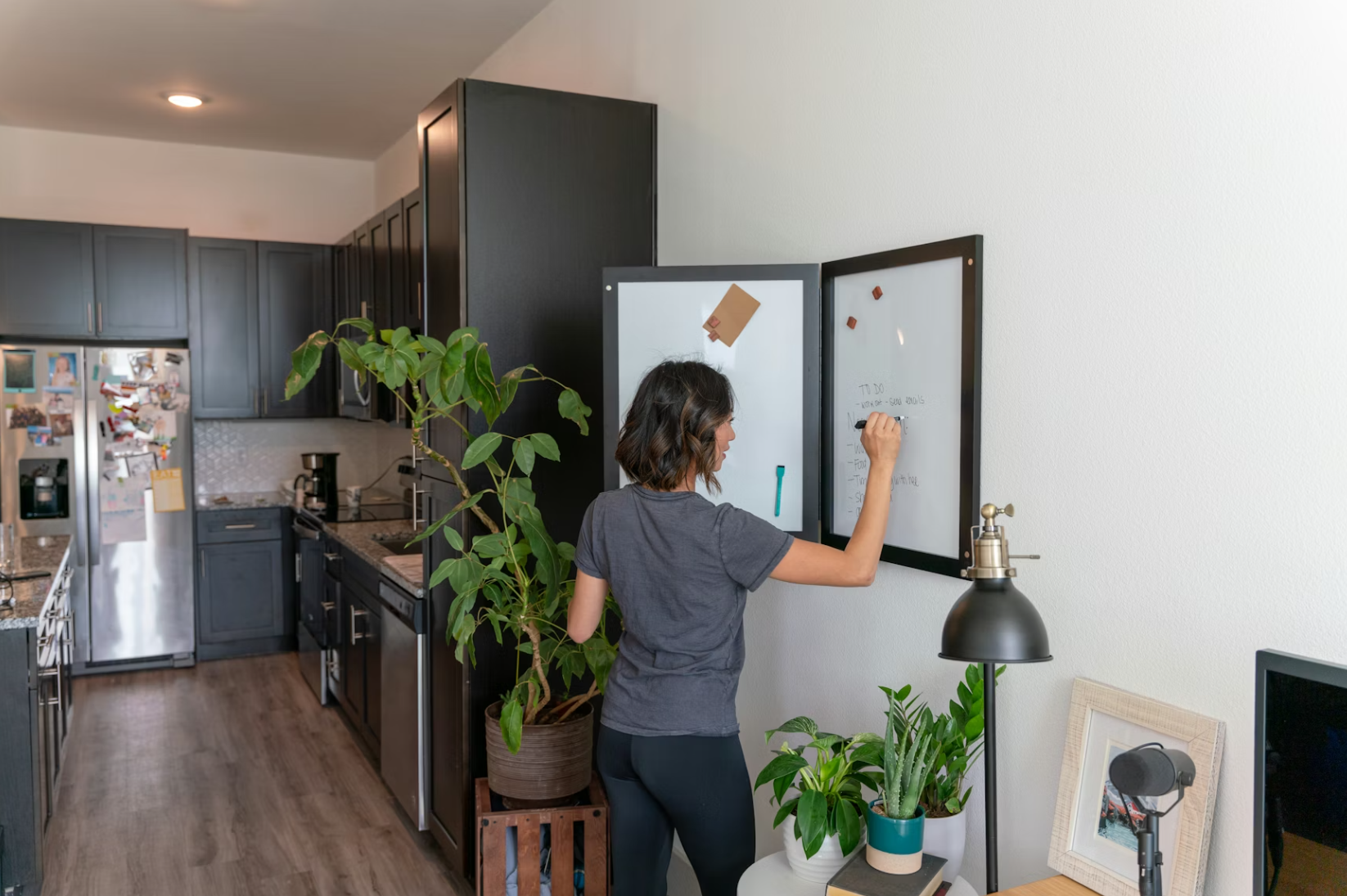
Smart Storage Ideas for a Cleaner and More Organized Home
A cleaner home does not always begin with a bigger closet, a new cabinet, or a weekend spent buying matching baskets. More often, it begins with a simple shift in how we think about the things we already own. Every home collects objects quietly: shoes by the door, chargers on the counter, folded blankets on the sofa, beauty products around the sink, toys under the table, and seasonal pieces that somehow never return to their proper place. Little by little, these everyday items create visual noise.
Smart storage is not about hiding life away. A home should still feel lived in, warm, and personal. The goal is to create spaces that support daily routines instead of fighting against them. When storage works well, the items you use often are easy to reach, the things you need occasionally are easy to find, and the pieces you rarely use do not interrupt the flow of your day.
Whether you live in a compact apartment, a busy family home, or a space that simply feels smaller than it should, thoughtful storage can make a room feel calmer almost immediately. The best ideas are not always expensive or dramatic. They are practical, intentional, and tailored to the way you actually live.
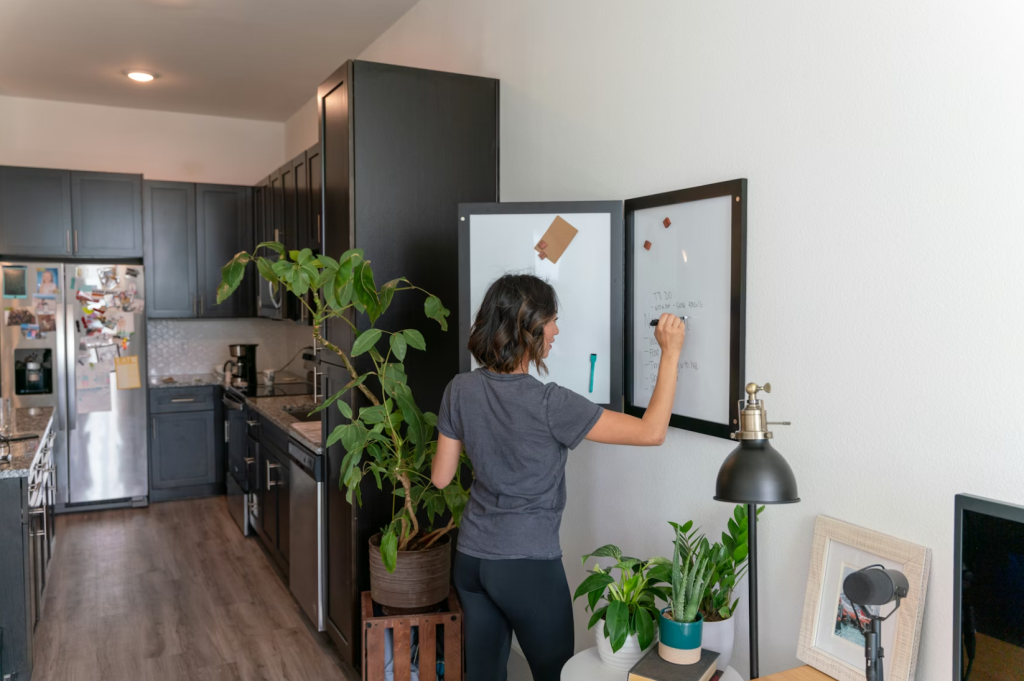
Why Smart Storage Matters More Than Extra Space
It is tempting to believe that a cleaner home depends on having more square footage. While extra space can help, it does not automatically create order. A large closet can still become chaotic, and a spacious kitchen can still feel cluttered if every drawer holds a mystery collection of tools, receipts, and spare parts.
Smart storage matters because it creates structure. It gives every item a clear place to land. Without that structure, even beautiful furniture and carefully chosen decor can be overshadowed by everyday mess. A room may be clean in the traditional sense, yet still feel unsettled because too many things are visible, misplaced, or difficult to put away.
Good storage also saves time. When keys, cleaning supplies, kitchen tools, documents, and clothing have predictable homes, daily routines become smoother. You spend less time searching and less energy tidying the same piles again and again.
Perhaps most importantly, smart storage protects the feeling of your home. A well-organized space can feel lighter, more spacious, and easier to enjoy. It allows your favorite pieces to stand out instead of competing with clutter.
Start With How You Actually Use Each Room
Before buying any organizer, look at how each room functions in real life. Storage works best when it follows your natural habits instead of forcing you into a system that looks good only for a few days.
In an entryway, the question is not simply where shoes should go. It is what you do the moment you walk in. Do you drop your bag on a chair? Do keys land on the nearest surface? Do coats end up over the sofa because the closet is too full or too far away? The best storage solution may be a slim console with a small tray, a wall hook, a shoe rack, or a bench with hidden storage.
In the kitchen, pay attention to your cooking patterns. Items used daily should be within easy reach, while specialty tools can be stored higher, lower, or farther away. If you make coffee every morning, group mugs, filters, spoons, and coffee supplies together. If you pack lunches, create a dedicated zone for containers, wraps, and reusable bags.
In bedrooms, storage should support rest. Visible piles of clothing, accessories, or laundry can make the room feel unfinished. A simple drawer divider, under-bed storage box, or bedside table with closed storage can make the space feel calmer without changing the entire room.
The most successful organizing systems are not the most photogenic. They are the ones you can maintain on an ordinary Tuesday.
Use Vertical Space Without Overcrowding the Walls
Many homes have unused vertical space. Walls, doors, tall corners, and the areas above furniture can all become useful storage zones when handled with care. The key is balance. Vertical storage should make a room feel more functional, not visually heavy.
Floating shelves are helpful in kitchens, bathrooms, offices, and living rooms. They can hold everyday items, decorative baskets, books, or neatly arranged essentials. In a small kitchen, a shelf can free up cabinet space by holding attractive jars, spices, or frequently used dishes. In a bathroom, it can keep towels and toiletries accessible without crowding the sink.
Over-the-door organizers are another practical option, especially in bedrooms, closets, pantries, and laundry areas. They work well for shoes, cleaning products, accessories, hair tools, or small household supplies. Choose designs that match the purpose of the space and avoid overloading them, as too much weight can make the door awkward to use.
Tall bookcases, ladder shelves, and slim storage towers can also help maximize height. In narrow spaces, a tall unit often provides more value than a wide cabinet because it uses space that might otherwise remain empty.
Still, vertical storage should not become a display of everything you own. Leave some breathing room. A few open areas on a shelf can make the whole room feel more intentional.
Choose Furniture That Works Harder
Multi-functional furniture is one of the simplest ways to add storage without making a home feel crowded. These pieces are especially useful in small rooms, apartments, and open-plan spaces where every item needs to earn its place.
Storage ottomans are a classic example. They can serve as a footrest, extra seating, a coffee table alternative, and a hidden place for blankets, magazines, remote controls, or children’s toys. A bench with storage can work beautifully in an entryway, bedroom, or dining nook.
Beds with drawers or lift-up storage are useful for seasonal clothing, spare bedding, shoes, or luggage. If a storage bed is not an option, under-bed boxes can offer a similar function. Choose shallow containers that slide easily and protect contents from dust.
Coffee tables with drawers or lower shelves can keep living room essentials close without leaving them scattered across the surface. Nightstands with drawers are usually more practical than open tables, especially if you keep chargers, books, glasses, or personal items beside the bed.
When choosing storage furniture, consider both capacity and ease of use. A beautiful cabinet that is difficult to open or too deep to organize may not solve the problem. The best pieces combine style with practical access.
Create Zones Instead of Random Storage Spots
One of the quiet reasons homes become messy is that related items are stored in too many different places. Batteries might be in one drawer, flashlights in another, tape in a cabinet, and spare cords in a box no one remembers. Creating zones helps prevent this scattered feeling.
A zone is simply a dedicated area for a category of items or an activity. A cleaning zone might include sprays, cloths, gloves, sponges, and trash bags. A mail zone might include envelopes, stamps, a letter opener, and a small tray for papers that need attention. A pet zone might hold food, leashes, grooming tools, and waste bags.
Zones make storage more intuitive. When you need something, you know where to look. When you finish using it, you know where it belongs. This reduces the mental effort of tidying and helps other people in the household follow the same system.
Zones do not need to be large. A single basket, drawer, shelf, or cabinet can function as a zone. What matters is that items are grouped by purpose and stored where they are most likely to be used.
Make Hidden Storage Easy to Access
Hidden storage is wonderful for creating a cleaner look, but it only works if it is convenient. When storage is too difficult to access, people avoid using it. Items end up on counters, chairs, floors, and tables because the official storage location feels like too much effort.
For frequently used items, avoid overly complicated systems. A basket on a shelf may be better than a box with a tight lid. A drawer divider may be better than stacked containers that require lifting several layers to reach one item. Clear bins can be helpful because you can see what is inside without opening every container.
For items used less often, such as holiday decor, special occasion dishes, or seasonal clothing, lidded bins and higher storage make more sense. Labeling becomes especially helpful here. A neat label can prevent the familiar problem of opening six boxes to find one missing item.
Think of access as part of the design. Daily items should take only seconds to put away. Occasional items can require a little more effort, as long as they remain organized and identifiable.
Reduce Visual Clutter With Closed Storage
Open shelving can look beautiful, but it is not always the best solution for every item. Some belongings are visually busy even when organized. Cleaning bottles, cables, paperwork, toiletries, packaged snacks, and miscellaneous tools often look calmer behind a door, inside a drawer, or within a basket.
Closed storage is especially helpful in living rooms, bathrooms, bedrooms, and home offices. It allows practical items to exist without dominating the room. A cabinet with doors can hide electronics, board games, office supplies, or craft materials. Woven baskets can soften the look of shelves while keeping smaller items contained.
In bathrooms, closed storage can make a big difference. Rather than leaving every skincare bottle, hair product, and grooming tool on the counter, place daily essentials in a small tray or drawer and store the rest in a cabinet or bin. The room will feel cleaner even if you own the same number of products.
The goal is not to hide everything. A few attractive or meaningful items can remain visible. Closed storage simply helps separate useful items from decorative ones, giving the eye a place to rest.
Use Small Containers Inside Larger Storage
Drawers and cabinets often become messy because they are too open. Without internal structure, everything slides together. Small containers, dividers, trays, and bins turn large storage areas into organized sections.
In a kitchen drawer, dividers can separate utensils, measuring spoons, clips, and small tools. In a bathroom drawer, small trays can hold cotton pads, razors, lip balm, hair ties, and travel-size products. In a desk drawer, containers can keep pens, sticky notes, chargers, and paper clips from becoming one tangled collection.
The same principle works in closets. Instead of placing scarves, belts, socks, or accessories loosely on shelves, use boxes or fabric bins. In pantry cabinets, use clear containers or baskets to group snacks, baking supplies, breakfast items, or canned goods.
Small containers are not just about appearance. They make it easier to remove a category, clean the area, and return everything neatly. They also prevent overbuying. When a container is full, it becomes a natural signal to pause before adding more.
Be Careful With Storage Products That Create More Clutter
Storage products can be helpful, but buying too many too quickly can create a new problem. A home filled with unused bins, mismatched baskets, empty organizers, and complicated systems may feel just as cluttered as it did before.
Before purchasing storage products, declutter first. Remove items you no longer use, need, or enjoy. It is much easier to organize what remains than to buy containers for things that should not be kept.
Measure before buying. Shelves, drawers, closets, and cabinets vary widely, and even a beautiful organizer becomes frustrating if it does not fit. Consider height, depth, width, and how much space you need to open drawers or remove bins.
Choose storage products that suit your habits. If you dislike folding carefully, do not build a system that depends on perfect folding. If you prefer seeing items, clear bins may work better than opaque boxes. If you want a softer look, fabric baskets or natural textures may feel more inviting.
The right storage product should simplify your routine. If it adds more steps than it removes, it may not be the right fit.
Smart Storage Ideas for the Entryway
The entryway sets the tone for the rest of the home. It is also one of the easiest areas to overwhelm because it handles many transitions: arriving, leaving, carrying bags, removing shoes, collecting mail, and grabbing keys.
A small tray or bowl can keep keys, sunglasses, and small essentials from spreading across surfaces. Wall hooks can handle coats, bags, hats, or dog leashes. A shoe rack or shoe cabinet keeps footwear contained and prevents the floor from becoming a traffic jam.
If space allows, a bench with storage is especially useful. It offers a place to sit while putting on shoes and can hide seasonal accessories, umbrellas, or extra bags. In very small entryways, even a narrow wall shelf with hooks can create a landing zone.
The best entryway storage is simple and immediate. It should support the habits that happen in the first and last few minutes of every day.
Smart Storage Ideas for the Living Room
Living rooms often serve many roles. They may be places for relaxing, watching TV, reading, entertaining, working, or playing with children. Because the room is so visible, storage needs to be both practical and attractive.
Use baskets for soft items like blankets, pillows, toys, and magazines. Choose a media console with drawers or cabinets to hide remotes, cables, gaming accessories, and extra electronics. If you have open shelves, mix storage boxes with books and decorative objects to avoid a crowded look.
A coffee table with storage can help control everyday items. Instead of leaving everything on top, use drawers or a lower shelf for coasters, books, and small accessories. If children use the room, dedicate one or two easy-to-reach bins for toys so cleanup becomes quick and predictable.
Living room storage should preserve comfort. The room does not need to look untouched. It should simply make it easy to return to calm after daily use.
Smart Storage Ideas for the Kitchen
Kitchen storage has to balance efficiency, hygiene, and frequency of use. Start by placing the most-used tools near the areas where they are needed. Cooking utensils should be close to the stove. Cutting boards and knives should be near the prep area. Mugs should be near the coffee or tea station.
Use drawer dividers to separate tools. Add shelf risers to make better use of cabinet height. Place pantry items in bins by category, such as snacks, pasta, baking, breakfast, or sauces. This makes it easier to see what you have and avoid buying duplicates.
Clear containers can be useful for dry goods, but they are not necessary for everything. Sometimes a labeled basket is more practical than transferring every item into a matching jar. Focus on function first.
Under-sink storage also deserves attention. Use a pull-out bin, caddy, or small shelf to keep cleaning products organized. Avoid storing too many unrelated items there, as the area can quickly become crowded and hard to clean.
Smart Storage Ideas for the Bedroom and Closet
A bedroom should feel restful, and storage plays a major role in that atmosphere. Begin with clothing. If the closet is full but you wear only a portion of what is inside, storage alone will not solve the issue. Edit first, then organize.
Use slim hangers to save space and create a cleaner visual line. Add shelf dividers for sweaters, jeans, or bags. Use drawer organizers for socks, underwear, accessories, and small items. Store seasonal clothing in under-bed bins or high shelves if closet space is limited.
Bedside storage should be practical but not overloaded. A drawer can hold chargers, hand cream, reading glasses, or notebooks. Keep the surface mostly clear so the room feels calm at night and fresh in the morning.
For closets, consider vertical hanging organizers, shoe shelves, and labeled bins. Group clothing by type or use so getting dressed feels easier. A closet does not need to look like a boutique, but it should help you see what you own.
Smart Storage Ideas for the Bathroom
Bathrooms often have limited storage, yet they hold many small products. The best approach is to separate daily essentials from occasional items. Keep only the products you use regularly near the sink or shower. Store backups, travel items, and less-used products elsewhere.
Drawer organizers are excellent for small grooming items. A shower caddy can keep bottles from collecting on ledges. Over-toilet shelves or wall-mounted cabinets can add storage without taking up floor space.
Use containers under the sink to group categories such as hair care, skincare, dental care, first aid, or cleaning supplies. Check expiration dates regularly, especially for products that have been open for a long time.
A bathroom feels cleaner when surfaces are clear. Even simple storage changes can make the room look more polished and easier to maintain.
Common Storage Mistakes to Avoid
One common mistake is organizing before decluttering. This often leads to neatly storing things that no longer serve a purpose. Another mistake is buying containers without measuring, which can waste money and create frustration.
It is also easy to create systems that are too complicated. If putting something away requires opening a closet, removing a box, opening a lid, and rearranging several items, the system may fail in daily life. Simple systems are usually more sustainable.
Another mistake is ignoring maintenance. Storage is not a one-time project. Homes change with seasons, routines, purchases, and family needs. A short monthly reset can keep storage systems working well.
Finally, avoid copying a storage idea just because it looks beautiful online. Your home needs systems that match your space, habits, and belongings. A practical solution that you can maintain is more valuable than a perfect-looking setup that does not fit real life.
How to Make Storage Feel Stylish, Not Sterile
A well-organized home does not have to feel cold or overly minimal. Storage can be part of the design. Choose materials that complement your decor, such as woven baskets, wood cabinets, linen boxes, metal hooks, or clear acrylic organizers.
Keep visible storage consistent. Matching or coordinating containers can make shelves and open areas feel calmer. This does not mean everything must be identical. A thoughtful mix of textures can feel warm and collected.
Leave room for personality. Display a few favorite books, ceramics, framed photos, candles, or plants. Good storage should create space for the things that make your home feel like yours.
The most inviting homes are not empty. They are edited, functional, and personal. Smart storage simply helps the useful and beautiful parts of your home shine more clearly.
Conclusion
Smart storage is less about perfection and more about ease. A cleaner, more organized home comes from small decisions that support everyday life: placing items where they are used, choosing furniture with purpose, creating clear zones, and avoiding systems that are too difficult to maintain. When storage is thoughtful, your home feels calmer without losing warmth or personality. Start with one area, solve the most visible problem, and build from there. Over time, these practical changes can make your space feel more open, more manageable, and much more enjoyable to live in.
Frequently Asked Questions
What is the easiest place to start organizing a home?
Start with the area that causes the most daily frustration. For many people, this is the entryway, kitchen counter, bathroom sink, or bedroom closet. Choose one small zone instead of trying to organize the whole home at once. A quick, visible improvement can build momentum.
Do I need to buy matching storage bins?
Matching bins can make a space look cleaner, but they are not always necessary. Function matters first. Before buying anything, declutter, measure your space, and decide what each container needs to hold. Coordinated storage is helpful, but it should support your routine rather than replace it.
How can I make a small home feel less cluttered?
Use vertical space, choose furniture with hidden storage, and keep surfaces as clear as possible. Store items by category and avoid spreading similar things across multiple rooms. Closed storage, wall hooks, under-bed boxes, and slim shelving can make a small home feel more spacious.
What should not be stored in open shelving?
Open shelving works best for attractive, frequently used, or neatly grouped items. It is usually not ideal for messy paperwork, tangled cables, cleaning supplies, excess toiletries, or anything with busy packaging. These items often look better in drawers, cabinets, bins, or baskets.
How often should I review my storage systems?
A light monthly reset is helpful for high-use areas like kitchens, bathrooms, entryways, and closets. Seasonal reviews are useful for clothing, decor, sports gear, and holiday items. If a storage system keeps failing, adjust it instead of forcing yourself to follow a routine that does not fit your habits.


You May Also Like
Small Home Upgrades That Can Improve Everyday Comfort

Useful Tech Gadgets That Can Improve Everyday Productivity