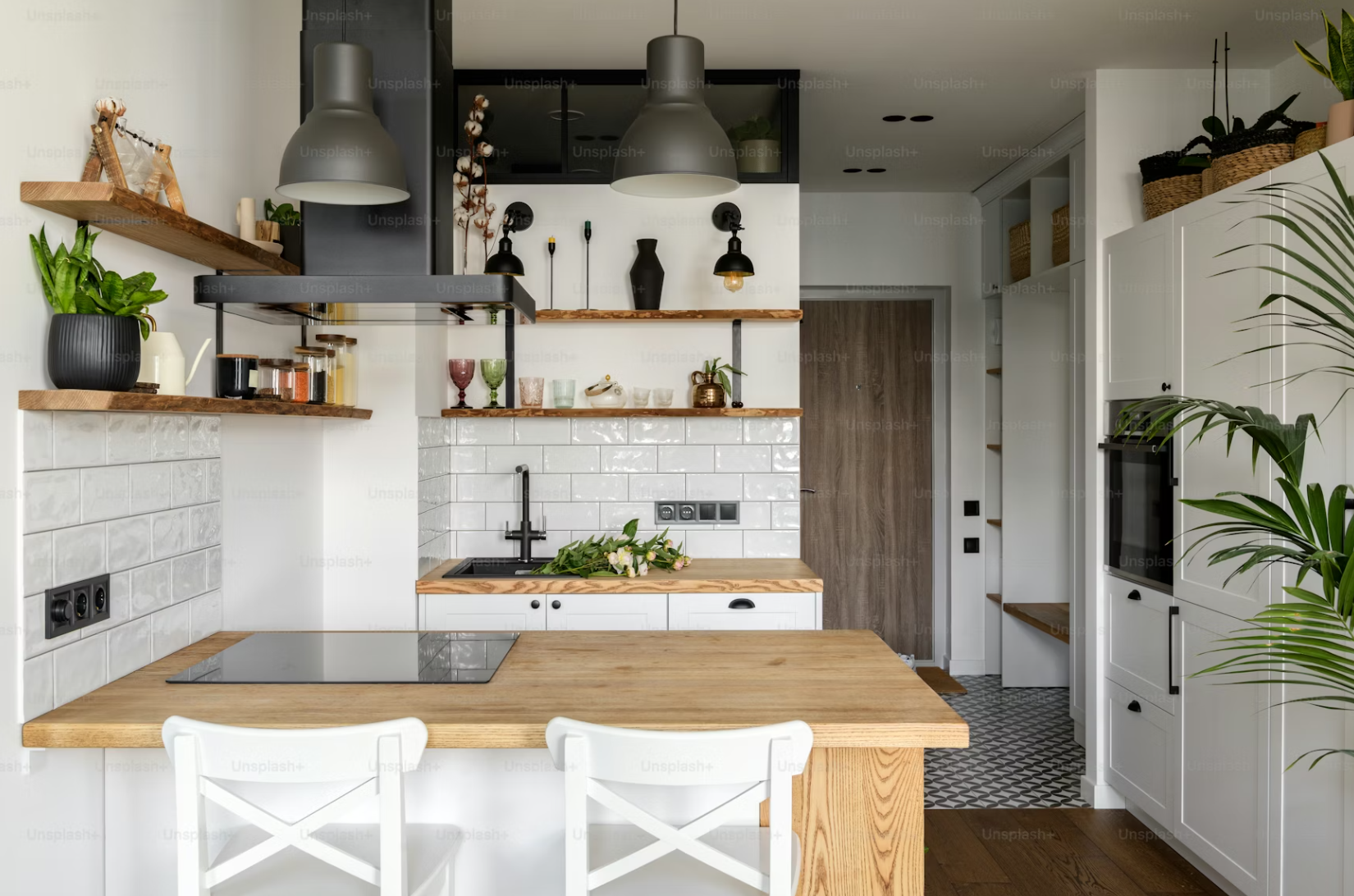
How to Choose Useful Lifestyle Products for Your Home
A well-designed home is not built from beautiful objects alone. It is built from the small things that quietly make everyday life easier: the storage basket that keeps the entryway calm, the lamp that makes reading feel effortless, the kitchen tool you reach for every morning, the laundry organizer that turns a messy corner into a workable routine. Useful lifestyle products do not need to be flashy. In fact, the best ones often disappear into your day because they solve a problem so smoothly that you stop noticing the problem existed.
The challenge is that modern shopping makes every home product look essential. A simple scroll can convince you that you need a new organizer, diffuser, smart device, blanket, coffee gadget, drawer divider, air purifier, and decorative tray before breakfast. Some of these products may genuinely improve your space. Others may become clutter with better branding.

Choosing useful lifestyle products for your home is not about buying more. It is about buying with more intention. The right product should support the way you actually live, not the way a staged photo suggests you should live. It should fit your space, match your habits, be easy to maintain, and offer value beyond the first week of excitement.
This guide will help you choose home lifestyle products with a clearer eye, whether you are refreshing your living room, making a small apartment more functional, improving your kitchen routine, or simply trying to make your home feel calmer and more comfortable.
Start With Your Daily Routine, Not the Product
The smartest home purchases begin before you open a product page. Start by looking at your daily routine. Where does your home slow you down? Where do things pile up? Which tasks feel more annoying than they should?
A useful product usually answers a real friction point. For example, if your shoes, keys, and bags always gather near the door, the problem may not be lack of decor. It may be lack of a landing zone. A slim console table, wall hooks, a shoe rack, or a small entryway tray could make a visible difference. If your kitchen counter is always crowded, the answer may be better vertical storage rather than another appliance. If your bedroom feels restless, softer lighting and better bedside organization may matter more than new decorative pillows.
This routine-first approach protects you from impulse buying. Instead of asking, “Do I like this?” ask, “Where will this live, and what will it improve?” A product can be stylish and still be useless for your lifestyle. It can also look simple but become one of the most valuable items in your home.
Define What “Useful” Means for Your Household
Usefulness is personal. A family with children may value washable fabrics, storage bins, durable rugs, and easy-clean surfaces. Someone living alone in a small studio may care more about space-saving furniture, multi-use lighting, and compact kitchen tools. A person who works from home may need ergonomic desk accessories, cable management, task lighting, and noise-reducing elements.
Before buying, think about what useful means in your specific home. It may mean saving time, reducing mess, improving comfort, making cleaning easier, supporting better sleep, helping you cook more often, or making a small space feel more open.
A product is truly useful when it fits at least one of these goals:
It solves a repeated problem.
It saves space or time.
It improves comfort or safety.
It helps you stay organized.
It is easy to use regularly.
It suits the size and style of your home.
It remains valuable after the novelty wears off.
This is where practical thinking beats trend-chasing. A beautiful glass storage jar may look lovely on a shelf, but if it is hard to clean or too small for your pantry staples, it may not serve you well. A plain, stackable container with a secure lid may be less exciting but far more useful.
Measure Your Space Before You Shop
One of the most common mistakes shoppers make is buying based on product photos rather than real dimensions. Lifestyle product photography can make items look smaller, larger, softer, brighter, or more premium than they feel in person. A storage cart that looks compact online may crowd a narrow bathroom. A table lamp may overwhelm a small nightstand. A laundry hamper may not fit under the shelf where you imagined it would go.
Before buying anything for your home, measure the space where it will be used. Write down width, depth, height, and any clearance needed for doors, drawers, handles, cords, lids, or movement. If the product will sit near a walkway, leave enough room to pass comfortably. If it goes inside a cabinet, check internal dimensions, not just the outside of the cabinet.
For furniture, organizers, lamps, rugs, and storage products, measurements are not small details. They are the difference between useful and frustrating. When possible, use tape on the floor to mark the product’s footprint. This simple step can quickly show whether an item will feel natural in the room or visually heavy.
Choose Multi-Functional Products Carefully
Multi-functional products can be excellent for modern homes, especially smaller spaces. Storage ottomans, nesting tables, sofa beds, foldable desks, rolling carts, modular shelving, and adjustable lighting can all help a home work harder without feeling crowded.
However, multi-functional does not always mean better. A product that does five things poorly may be less useful than one product that does one thing well. Before choosing a multi-use item, consider whether you will actually use each function. A storage bench is useful if you need both seating and storage. A complicated kitchen gadget with several attachments may not be useful if it is difficult to clean or takes up too much cabinet space.
The best multi-functional home products feel intuitive. They do not require a manual every time you use them. They do not make one function worse in order to add another. They fit naturally into your routine and reduce the number of items you need, rather than adding another layer of complexity.
Pay Attention to Materials and Maintenance
A product may look perfect when it arrives, but the real test is how it behaves after weeks or months of use. Materials matter because they affect durability, cleaning, comfort, and long-term appearance.
For soft goods such as cushions, throws, bedding, rugs, and curtains, check whether the fabric is washable, stain-resistant, breathable, or suitable for your climate. In warm or humid homes, breathable materials can feel more comfortable than heavy synthetic textures. For kitchens and bathrooms, moisture resistance matters. Wood, bamboo, metal, silicone, glass, and plastic each have advantages, but they also have care requirements.
For storage products, look for sturdy construction, smooth edges, easy-to-clean surfaces, and handles that feel secure. For lighting, consider shade material, bulb compatibility, brightness options, and whether the product is easy to dust. For appliances or gadgets, removable parts and simple cleaning can make the difference between daily use and permanent storage.
Maintenance is part of usefulness. If a product makes your home look better but adds work you do not want to do, it may not be the right fit. Choose items that match your real energy level, not your ideal version of yourself.
Balance Style With Practicality
A home should feel good to live in, not just function efficiently. Style matters because it influences mood, comfort, and the sense of belonging you feel in your space. The key is to choose lifestyle products that support both beauty and function.
A helpful rule is to let practical items carry some visual weight. A woven basket can hide clutter while adding texture. A ceramic tray can organize small items while making a surface feel intentional. A well-shaped lamp can provide better light and act as decor. A neutral storage box can calm open shelving. A mirror can make a space feel brighter while serving a practical purpose.
When comparing products, look for designs that blend with what you already own. You do not need every item to match perfectly, but your home will feel more cohesive if materials, colors, and shapes speak the same language. For example, if your space has warm wood, soft linen, and matte black accents, a glossy plastic organizer in a bright color may stand out in the wrong way.
Practicality should not erase personality. Choose useful products that make your home feel like yours, but avoid buying something only because it looks good in a styled photo. The most successful home products are the ones you enjoy seeing and enjoy using.
Think About Storage Before Buying More Storage
It sounds strange, but storage products can become clutter too. Bins, baskets, boxes, trays, hooks, shelves, and drawer organizers are helpful only when they are chosen for a clear purpose. Buying storage before sorting your belongings often leads to containers filled with items you do not need.
Before purchasing storage products, edit first. Remove expired items, duplicates, broken objects, and things that no longer fit your lifestyle. Then group what remains by category and frequency of use. Daily items should be easy to reach. Occasional items can live higher, lower, or farther away. Seasonal items may need labeled storage.
Once you know what you are storing, you can choose the right product. Open baskets work well for frequently used items like blankets, toys, or exercise gear. Clear containers are helpful when visibility matters, such as pantry staples or craft supplies. Drawer dividers work well for small items that tangle or shift. Lidded boxes are better for things you want protected from dust.
Good storage does not hide chaos. It creates a system you can maintain.
Be Realistic About Smart Home Products
Smart home products can make daily life more convenient, but not every connected device is necessary. Smart plugs, bulbs, speakers, thermostats, cameras, robot vacuums, and app-controlled appliances can be useful when they solve a real problem. They can also become frustrating if they require too many apps, updates, subscriptions, or compatibility checks.
Before buying a smart product, ask what it will actually improve. Will it save time? Improve security? Help with energy use? Support accessibility? Make a repeated task easier? If the answer is vague, the product may be more novelty than necessity.
Also check compatibility with your existing devices and Wi-Fi setup. Read the details about app requirements, voice assistant support, privacy settings, subscription features, and whether the product still works manually if the app fails. A smart product should make your home feel smoother, not more dependent on troubleshooting.
For many households, the most useful smart products are simple ones: a smart plug for a hard-to-reach lamp, a motion-sensor night light, a programmable thermostat, or a robot vacuum for regular floor maintenance. Start small and build only where the convenience is clear.
Compare Products by Use Case, Not Just Rating
High ratings can be helpful, but they do not tell the whole story. A product with thousands of positive reviews may still be wrong for your home. Reviews often reflect different room sizes, climates, habits, expectations, and budgets.
When comparing lifestyle products, look for reviews from people with similar needs. If you are buying a rug for a busy living room, search for comments about shedding, cleaning, pets, children, and foot traffic. If you are choosing a coffee maker, look for feedback about cleaning, counter space, noise, and daily convenience. If you are buying storage for a small bathroom, focus on stability, moisture resistance, and real dimensions.
Pay attention to repeated patterns in reviews. One complaint may be personal preference. Many similar complaints may reveal a real issue. Look for details about durability, assembly, material quality, packaging, customer support, and whether the item looks like the photos.
The goal is not to find a perfect product. It is to find the product whose strengths match your priorities and whose weaknesses you can live with.
Set a Budget That Matches the Role of the Product
Not every home product deserves the same budget. Some items are worth investing in because they affect daily comfort or are used constantly. Others can be simple and affordable because they play a smaller role.
It often makes sense to spend more on items that support sleep, seating, lighting, cooking, cleaning, or organization systems you use every day. A supportive desk chair, quality bedding, a durable rug, a reliable vacuum, or well-made cookware can have a real impact on daily life. On the other hand, decorative trays, seasonal accents, basic bins, and small accessories may not need premium pricing.
A useful way to think about budget is cost per use. A slightly more expensive lamp used every evening may offer better value than a cheap decorative object you barely notice. A durable laundry sorter used every week may be a smarter purchase than a trendy item that loses appeal quickly.
Value does not always mean expensive. It means the product performs well for its purpose, lasts a reasonable amount of time, and feels worth the space it occupies.
Avoid Common Buying Mistakes
The biggest mistake is buying for an imaginary lifestyle. A product may look appealing because it represents a cleaner, calmer, more organized version of life. But if it does not match your habits, it may become another reminder of a routine you do not actually follow.
Another common mistake is buying too many small fixes instead of solving the main problem. If your kitchen lacks cabinet space, several countertop organizers may make things feel busier. A better solution may be decluttering, adding vertical shelving, or replacing single-use tools with multi-purpose essentials.
Shoppers also often ignore cleaning requirements. A white fabric chair may be beautiful, but it may not be practical in a home with pets, children, or frequent guests. Open shelving may look airy, but it requires regular dusting and thoughtful arrangement. A complex gadget may promise convenience but become annoying if it has too many parts to wash.
Finally, avoid buying only because something is trending. Trends can be inspiring, but your home should serve your life beyond a season. Choose trends selectively, especially for lower-cost, easy-to-change items. For long-term purchases, prioritize comfort, function, and timeless appeal.
Build a Home Product Checklist
Before you buy a lifestyle product for your home, take a moment to run through a simple checklist.
What problem does this product solve?
Where exactly will it go?
Does it fit the available space?
Will I use it weekly or only occasionally?
Is it easy to clean or maintain?
Does it work with items I already own?
Are the materials suitable for my household?
Does it match my budget for its role?
Do reviews mention issues that matter to me?
Would I still want it if it were not trending?
This checklist does not remove the pleasure of shopping. It makes shopping more satisfying because each purchase has a reason. Instead of collecting random objects, you begin building a home that supports your routines and reflects your taste.
Choose Products That Make Home Feel Easier
The best lifestyle products for your home are not always the most expensive, most popular, or most photogenic. They are the ones that make everyday living feel easier. They reduce small frustrations. They create order where there was clutter. They add comfort where there was friction. They help your home work with you rather than against you.
A useful home product earns its place. It may be a lamp that softens your evening routine, a kitchen organizer that makes breakfast smoother, a washable rug that handles real life, a smart plug that simplifies lighting, or a storage basket that keeps the living room calm. These products may seem ordinary, but ordinary things shape daily life more than we often realize.
When you shop with intention, your home becomes less about having more and more about choosing better. Each item has a role. Each corner becomes easier to use. Each purchase feels calmer because it is connected to a real need.
Conclusion
Choosing useful lifestyle products for your home is a thoughtful balance of function, style, space, quality, and personal routine. The right products do not simply fill a room; they improve the way the room works. They should make daily habits smoother, keep clutter under control, support comfort, and fit naturally into your home’s size and character.
Before buying, slow down and ask practical questions. Measure your space. Consider maintenance. Compare products by real use cases. Look beyond trends and focus on what will remain helpful after the excitement of a new purchase fades. A better home is not created by buying everything that looks appealing. It is created by choosing products that quietly make life better, one useful decision at a time.
FAQs
What makes a lifestyle product useful for the home?
A useful lifestyle product solves a real problem, improves comfort, saves space, supports organization, or makes a daily task easier. It should fit your routine, your available space, and your maintenance preferences. If a product looks attractive but does not improve how your home functions, it may not be truly useful.
Should I choose stylish or practical home products?
The best choice is usually a balance of both. Practical products are easier to use long term, while stylish products help your home feel personal and inviting. Look for items that serve a clear purpose and also match your home’s design style, such as attractive storage baskets, well-designed lamps, or decorative trays that organize everyday items.
Are expensive lifestyle products always better?
No. A higher price does not automatically mean a product is more useful. Some affordable items perform very well, especially simple storage, cleaning, and organization products. It may be worth investing more in items you use every day, such as bedding, seating, lighting, cookware, or durable rugs, but value should always be judged by quality, usefulness, and frequency of use.
How can I avoid buying home products I do not need?
Start by identifying a specific problem before shopping. Measure your space, check what you already own, and think about whether the product will be used regularly. Avoid buying only because something is trending or looks good in photos. A short waiting period can also help you decide whether the product is a real need or a passing impulse.
What are the best lifestyle products for small homes?
For small homes, useful lifestyle products often include multi-functional furniture, vertical storage, foldable items, wall hooks, slim organizers, nesting tables, under-bed storage, compact lighting, and clear containers. The best choices are products that save space without making the room feel crowded or complicated.


You May Also Like
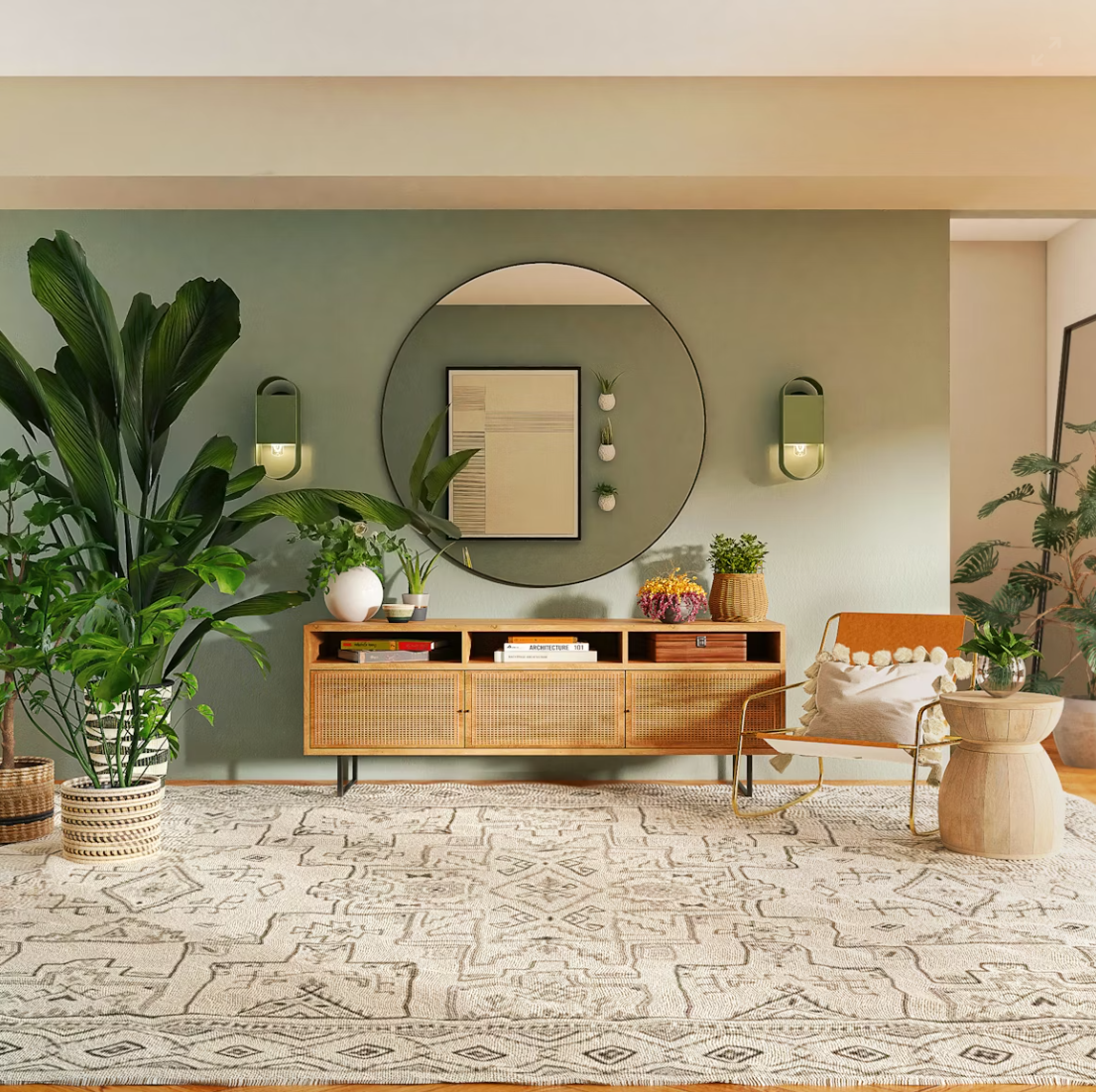
How to Choose Home Decor That Matches Your Lifestyle
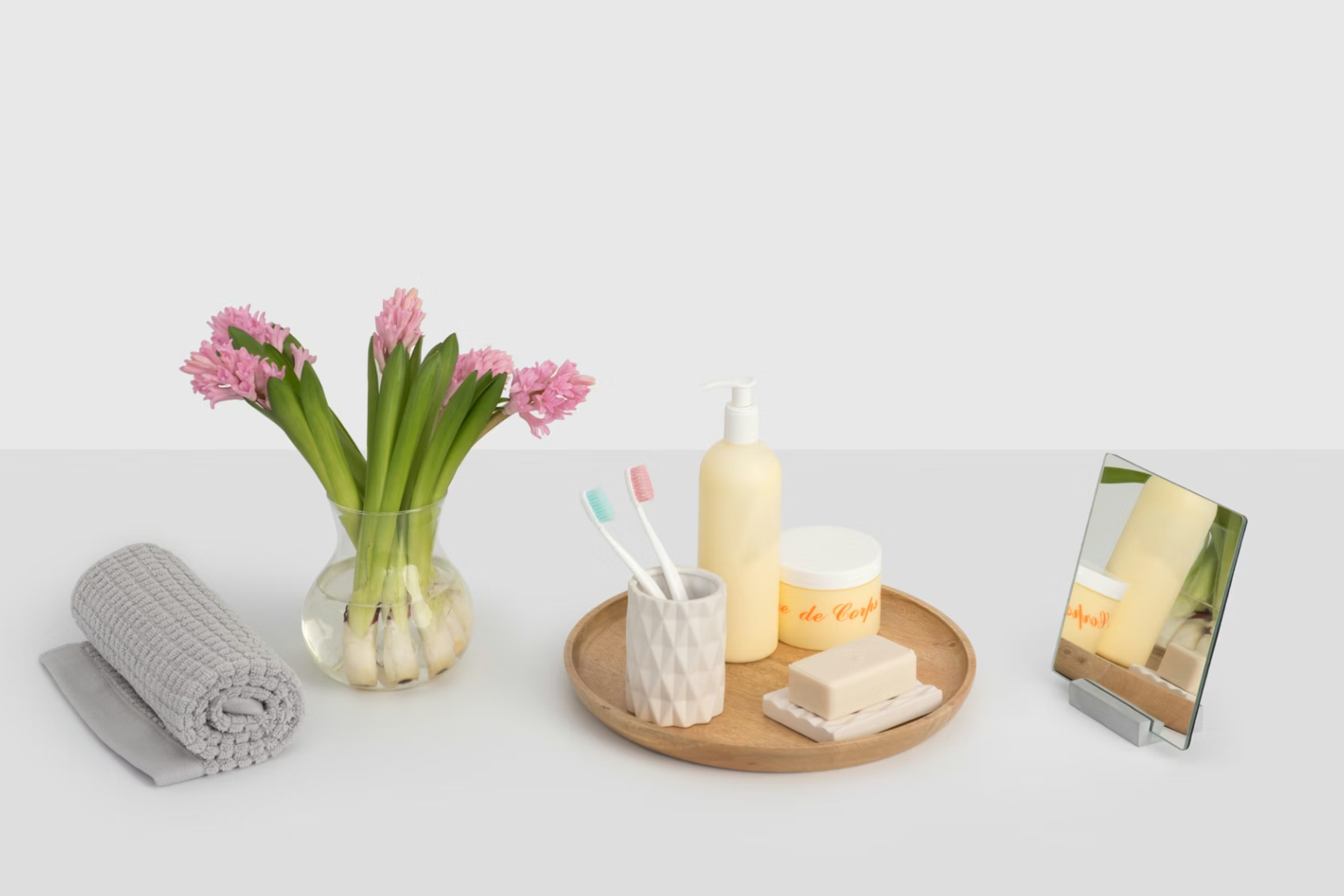
Everyday Household Products That Save Time and Effort