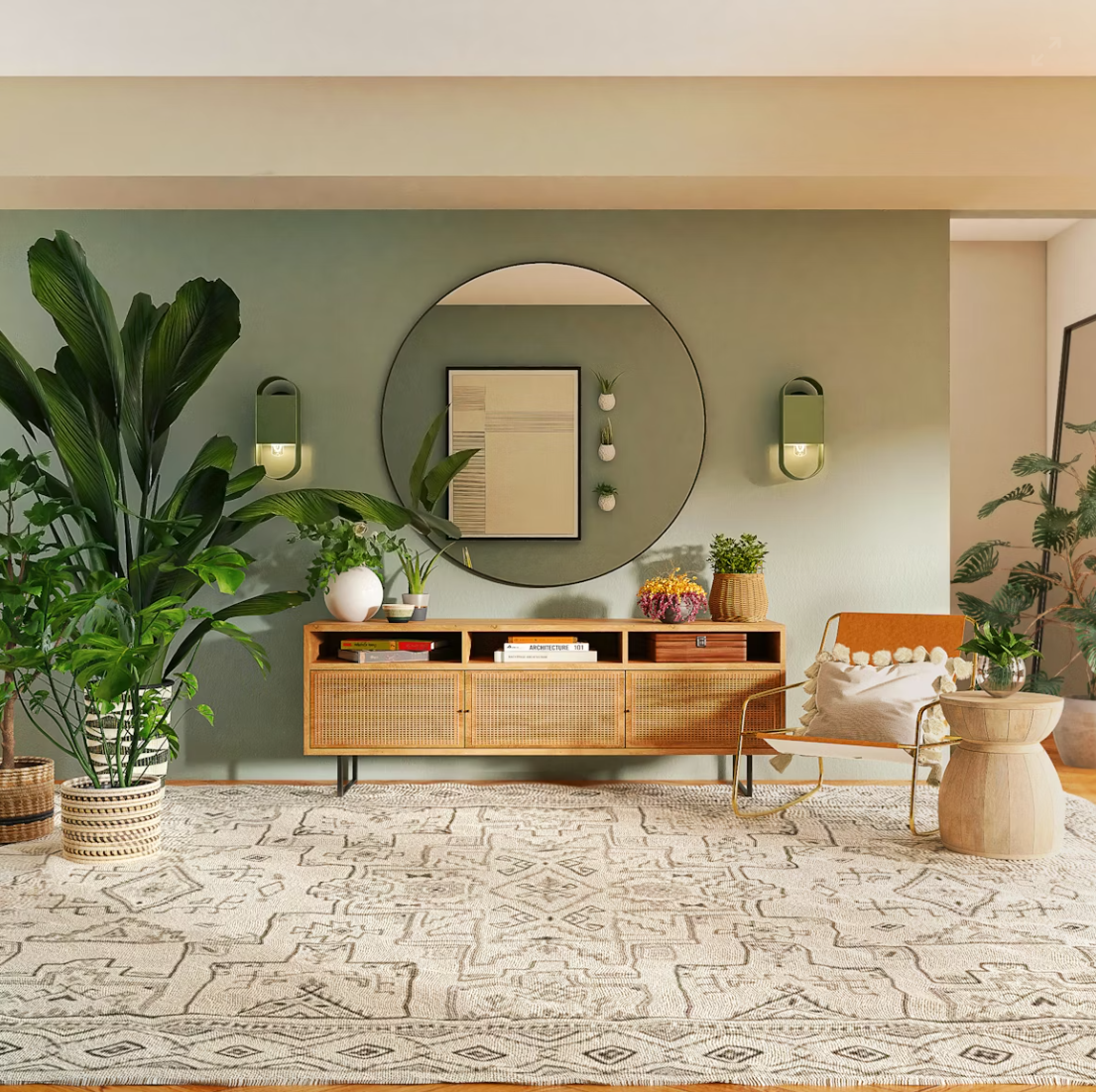
Home Comfort Guide: What Products Are Actually Worth Buying?
A comfortable home is not built by buying everything that looks beautiful in a catalog. It is built slowly, through the small upgrades that make daily life feel easier, softer, calmer, and more personal. The best home comfort products are not always the most glamorous ones. Sometimes they are the supportive pillow that saves your neck from another restless night, the warm lamp that makes your living room feel peaceful after sunset, or the washable rug that makes a busy space feel complete without becoming high-maintenance.
The challenge is that “comfort” has become a crowded shopping category. There are luxury blankets, smart gadgets, aromatherapy devices, ergonomic chairs, weighted throws, temperature-control bedding, air purifiers, sunrise lamps, plush slippers, sound machines, and more. Some are genuinely useful. Some are pleasant but optional. Others look appealing online but do not meaningfully improve everyday living.

This guide is designed to help you shop with more clarity. Instead of chasing trends, it focuses on the products that can actually improve how your home feels, functions, and supports your routines. Comfort is personal, but smart buying principles are universal: choose products that solve real friction, suit your space, match your lifestyle, and hold up over time.
What Makes a Home Comfort Product Worth Buying?
A worthwhile home comfort product should do more than look good for a few days. It should make a repeated part of your life better. That might mean helping you sleep more comfortably, relax more easily, work with less strain, keep your space cleaner, or create a more soothing atmosphere.
The most practical question is simple: where does your home currently feel uncomfortable?
If your bedroom feels restless, bedding and light control may matter more than decor. If your living room feels cold or unfinished, textiles and lighting may offer the biggest improvement. If your home office leaves you tired by afternoon, ergonomic support may be worth prioritizing. If your space feels stuffy, dry, damp, or dusty, air quality products may be more useful than another decorative item.
A product becomes worth buying when it addresses a real pattern in your day. A candle you rarely use may be charming, but it may not be as valuable as curtains that help you sleep better or a supportive chair that makes work less physically draining. The goal is not to buy more. The goal is to buy better.
Bedding Is Often the Best Place to Start
If there is one area where comfort spending can make a noticeable difference, it is bedding. Sleep affects mood, focus, energy, and the way your body feels throughout the day. While no product can guarantee perfect sleep, the right bedding can make your bedroom more supportive and inviting.
Start with the basics: mattress support, pillows, sheets, and temperature control. A mattress is a major purchase, but not everyone needs to replace one immediately. Sometimes a mattress topper can make a too-firm or slightly tired bed feel more comfortable. A topper is especially useful for renters, guest rooms, or people who want a lower-commitment upgrade before investing in a new mattress.
Pillows are another comfort product worth taking seriously. A pillow should match your sleep position, not just feel fluffy in the store. Side sleepers often need more height and support, back sleepers may prefer medium support, and stomach sleepers usually need a lower-profile option. The wrong pillow can make a beautiful bed feel uncomfortable every night.
Sheets matter too, but higher price does not always mean better comfort. Breathability, texture, and care requirements are more important than fancy claims. Cotton, linen, bamboo-derived fabrics, and microfiber all feel different. Choose based on your climate, laundry habits, and personal feel preference. If you sleep hot, breathable fabrics may be more useful than heavy, ultra-smooth sheets that trap warmth.
A good duvet, comforter, or blanket can also change the feeling of a bedroom. The best choice depends on whether you want warmth, weight, breathability, or easy washing. For everyday practicality, choose bedding that fits your care routine. A comforter that is too difficult to clean may become more stressful than comforting.
Lighting Changes the Mood of a Room Instantly
Lighting is one of the most underrated home comfort upgrades. A room can have beautiful furniture and still feel harsh if the lighting is too bright, too cold, or poorly placed. On the other hand, thoughtful lighting can make an ordinary room feel calm, warm, and intentional.
The most useful lighting products are usually lamps, dimmable bulbs, warm-tone bulbs, motion lights, and task lighting. Overhead lighting is practical, but it can feel flat or intense when used alone. Adding table lamps, floor lamps, or wall lights creates layers, which makes a room feel softer and more relaxing.
Warm lighting works especially well in bedrooms and living rooms because it creates a gentler evening atmosphere. Cooler light may be useful in workspaces, kitchens, or areas where focus matters, but it can feel too sharp in places meant for rest. A dimmable lamp beside a bed or sofa is often a small purchase with a big effect.
Smart bulbs can be worth buying if you enjoy controlling brightness, color temperature, or schedules from your phone or voice assistant. However, they are not essential for everyone. A simple lamp with a warm bulb can be just as effective for creating comfort. The smarter purchase is the one you will actually use.
Textiles Make a Home Feel Softer and More Finished
Blankets, rugs, curtains, cushions, and fabric textures are the quiet language of comfort. They soften hard surfaces, absorb sound, add warmth, and make a room feel lived-in rather than staged.
A good throw blanket is worth buying if you use your sofa often, live in a cooler climate, or want an easy way to make a room feel more inviting. Look for a fabric that feels good against the skin and is easy to maintain. Cashmere and wool can feel luxurious, but cotton, fleece, and washable blends may be more practical for homes with pets, children, or frequent use.
Rugs are another high-impact comfort product. They add visual warmth, reduce echo, and make spaces feel more grounded. A rug under a sofa area or beside a bed can make daily routines feel more pleasant. The key is choosing the right size. A too-small rug can make a room feel awkward, while a properly scaled rug can visually connect the furniture and make the space feel complete.
Curtains are both decorative and functional. They can soften a room, improve privacy, reduce glare, and help create a more restful bedroom. Blackout curtains are worth considering for light-sensitive sleepers, shift workers, or bedrooms facing streetlights. Sheer curtains, meanwhile, are useful when you want privacy without blocking natural light.
Cushions and decorative pillows are more optional. They can add style and comfort, but too many can become clutter. Choose a few with textures and firmness you actually enjoy using. A beautiful pillow that always ends up on the floor is probably not earning its place.
Air Quality Products Can Be Worthwhile in the Right Home
Air purifiers, humidifiers, and dehumidifiers are not glamorous, but they can be valuable when they solve a real problem. The key is matching the product to your environment.
An air purifier may be worth considering if your home is exposed to dust, pet dander, outdoor pollution, smoke, or seasonal allergens. It is especially useful in bedrooms, nurseries, home offices, or smaller rooms where you spend many hours. When shopping, check the recommended room size, filter type, replacement filter cost, and noise level. A purifier that is too loud or expensive to maintain may not be practical long term.
Humidifiers can help make dry rooms feel more comfortable, especially in air-conditioned spaces or dry climates. They may reduce the feeling of dry air, but they require consistent cleaning. A humidifier that is not cleaned properly can become unpleasant to use. Choose one with a water tank you can easily access and wash.
Dehumidifiers are useful in damp homes, humid climates, basements, bathrooms, or rooms where moisture builds up. They can help a space feel fresher and less sticky. As with air purifiers, size and noise matter. Drainage options are also worth considering if you plan to use one frequently.
These products are worth buying when there is a specific issue to solve. If your home already feels fresh, balanced, and easy to breathe in, they may not need to be your first priority.
A Better Chair Is Worth It If You Work or Sit for Long Hours
For many people, home comfort now includes work comfort. A stylish desk setup means little if your chair leaves you stiff by the end of the day. If you work from home, study often, game for long sessions, or spend many hours at a desk, an ergonomic chair can be one of the most worthwhile purchases.
A good chair should support your posture without forcing you into an uncomfortable position. Look for adjustable seat height, lumbar support, comfortable cushioning, stable armrests, and a seat depth that suits your body. Breathable materials can also matter if you sit for long periods.
Not everyone needs a premium office chair. Some people do well with a supportive mid-range model, a seat cushion, or a lumbar pillow. The important point is to avoid choosing purely by appearance. A beautiful chair that causes discomfort is not a comfort product; it is a decoration with a seat attached.
If space is limited, consider a chair that balances support with visual softness. Many home offices are part of bedrooms or living rooms, so the best option may be one that feels comfortable without making the room look overly corporate.
Small Kitchen Comforts Can Improve Daily Routines
Home comfort is not limited to sofas and bedrooms. Kitchens are part of daily rhythm, and the right products can make cooking, cleaning, and morning routines feel smoother.
A quality electric kettle, coffee maker, cutting board, kitchen mat, storage containers, or easy-clean pan can be worth buying if it supports habits you already have. The best kitchen comfort products reduce friction. They make breakfast quicker, cooking less tiring, or cleanup less annoying.
An anti-fatigue kitchen mat can be helpful if you spend a lot of time standing while cooking or washing dishes. Choose one with enough cushioning, a non-slip surface, and easy cleaning. It should not curl at the edges or become a tripping hazard.
Food storage products can also be surprisingly useful. Clear, stackable containers make it easier to see what you have and reduce cabinet chaos. This is not glamorous, but it can make a kitchen feel calmer and more functional.
The mistake to avoid is buying appliances for a lifestyle you do not actually live. A large bread maker, juicer, or specialty machine may seem exciting, but if it takes up space and rarely gets used, it becomes clutter. Comfort comes from ease, not from owning every tool.
Storage and Organization Products Are Worth Buying When They Reduce Visual Noise
A comfortable home is not necessarily minimalist, but it should feel manageable. Clutter creates visual noise, and visual noise can make even a well-decorated room feel stressful. The right storage products can make your home feel lighter without requiring a complete lifestyle overhaul.
Worthwhile storage products include baskets, drawer dividers, under-bed storage, closet organizers, cable management boxes, entryway trays, and shelving that fits the room properly. The most useful pieces are simple, accessible, and easy to maintain.
Before buying storage, sort what you already own. Buying bins before decluttering can simply hide the problem. Once you know what needs a place, choose storage that fits the items and the way you naturally use them.
For example, a basket near the sofa may be perfect for blankets. A tray near the door can hold keys and sunglasses. Drawer dividers can make daily essentials easier to find. Cable clips can make a desk feel instantly cleaner. These are small products, but they can make a room feel more peaceful every day.
Sound and Scent Are Optional, but They Can Deepen Comfort
Some comfort products are not essential, but they can enhance atmosphere. Sound machines, Bluetooth speakers, essential oil diffusers, candles, and room sprays fall into this category.
A sound machine may be worth buying if outside noise interrupts sleep, work, or relaxation. It can also be useful in apartments, shared homes, or nurseries. Look for simple controls, pleasant sound options, and volume that can be adjusted gently.
A small speaker can improve daily life if you enjoy music, podcasts, or background sound while cooking, cleaning, or relaxing. You do not need a complex audio setup for every room. A reliable speaker that is easy to use may be enough.
Scent products are more personal. Candles, diffusers, and sprays can make a space feel inviting, but they should never overwhelm the room. Choose subtle scents and pay attention to sensitivities, pets, and ventilation. Fragrance is best used as an accent, not a cover-up for poor cleaning or stale air.
These products are worth buying when they add pleasure to routines you already value. They are less essential than bedding, lighting, seating, or air quality, but they can help a home feel more personal.
Bathroom Comfort Upgrades Are Often Overlooked
The bathroom is one of the easiest places to improve comfort without a major renovation. A soft bath mat, absorbent towels, better lighting, shower storage, a handheld showerhead, or a simple robe hook can make daily routines feel more polished.
Good towels are worth buying if your current ones feel rough, thin, or slow to dry. Look for a balance between softness, absorbency, and drying time. Very thick towels can feel luxurious, but they may take longer to dry in humid homes.
A bath mat should feel comfortable underfoot and dry reasonably well. Non-slip backing is important, especially in households with children, older adults, or slick flooring. Washability matters too, because bathroom textiles need regular cleaning.
Shower organizers are practical when products crowd the floor or tub edges. Choose rust-resistant materials and a design that fits your shower layout. A tidy shower can make the whole bathroom feel more comfortable.
Bathroom comfort is about small moments: stepping onto a soft mat, reaching easily for what you need, wrapping yourself in a towel that feels pleasant, and starting or ending the day in a space that feels cared for.
What Is Usually Optional?
Some home comfort products are enjoyable but not necessary for most people. This includes luxury candles, decorative trays, smart home extras, specialty pillows, high-end diffusers, designer blankets, and highly specific kitchen gadgets.
Optional does not mean bad. It means the product should come after the essentials. If your bed is uncomfortable, a luxury candle will not fix the bedroom. If your desk chair hurts your back, a stylish pen cup will not solve the problem. If your living room lighting is harsh, decorative objects may not create the cozy effect you want.
The best approach is to build comfort in layers. Start with physical comfort, then functional ease, then atmosphere. First ask whether the room supports your body and routine. Then ask whether it is easy to use and maintain. Finally, add the sensory details that make it feel beautiful and personal.
Common Mistakes to Avoid When Buying Home Comfort Products
One common mistake is buying based on aesthetics alone. A product can look soft, calming, or luxurious online but feel impractical in real life. Always consider texture, size, care instructions, and how often you will use it.
Another mistake is choosing products that create more work. A delicate blanket that requires special cleaning, a humidifier that is difficult to wash, or a rug that traps every crumb may not be ideal for a busy home. Comfort should reduce stress, not add chores.
It is also easy to overbuy. Too many cushions, gadgets, organizers, and scent products can make a home feel crowded. A few well-chosen pieces often create more comfort than a room full of trend-driven purchases.
Ignoring scale is another issue. Rugs that are too small, lamps that are too dim, blankets that are too short, and storage bins that do not fit the shelf can all lead to disappointment. Measure before buying, especially for furniture, rugs, curtains, and organizers.
Finally, avoid assuming that expensive automatically means better. Some higher-priced products offer better materials, durability, or design, but many affordable options work beautifully. Focus on fit, quality, and usefulness rather than price alone.
How to Decide What to Buy First
If you want to improve your home without wasting money, walk through your day from morning to night. Notice where discomfort appears. Is it the bed you do not want to get into? The dark corner where you try to read? The desk chair that makes you shift constantly? The entryway that always looks messy? The bathroom that feels cold and unfinished?
Prioritize the products that improve daily routines. Bedding, lighting, seating, air quality, and organization usually have the strongest impact because they affect repeated moments. Decorative and sensory products can come later.
It also helps to buy one category at a time. Upgrade your pillows before replacing all your bedding. Add one warm lamp before redesigning the living room. Try a better chair or cushion before rebuilding the entire office. This approach helps you understand what actually changes the feeling of your home.
A Balanced Final Takeaway
The home comfort products most worth buying are the ones that support how you actually live. For many households, that means better bedding, layered lighting, soft textiles, ergonomic seating, practical organization, and air quality tools when needed. These are not always the flashiest purchases, but they often make the biggest difference.
Comfort is not about filling your home with things. It is about removing small irritations and adding quiet pleasures. The right product should feel useful after the novelty fades. It should make your home easier to rest in, easier to move through, and easier to enjoy.
Conclusion
A comfortable home does not require a complete makeover or a cart full of trending products. It requires thoughtful choices. Start with the areas that affect your daily life most: sleep, seating, lighting, air, warmth, storage, and routine. Choose products that solve real problems, fit your space, and are easy to maintain. When you shop this way, comfort becomes less about impulse and more about intention. The result is a home that feels not only more beautiful, but more supportive, personal, and genuinely livable.
FAQs
What home comfort product should I buy first?
Start with the area that affects your daily life the most. For many people, that means pillows, sheets, lighting, or a better desk chair. If you are unsure, focus on your bedroom first because sleep comfort can influence how your whole day feels.
Are expensive home comfort products always better?
Not always. Higher-priced products may offer better materials or durability, but price alone does not guarantee comfort. Fit, function, care requirements, and personal preference matter more. A moderately priced product that suits your routine is often better than a luxury item you rarely use.
Are air purifiers worth buying for every home?
Air purifiers can be worthwhile if you deal with dust, pet dander, smoke, outdoor pollution, or seasonal allergens. They are less essential if your indoor air already feels clean and fresh. Always check room size, filter replacement costs, and noise level before buying.
How can I make my living room feel more comfortable on a budget?
Start with lighting and textiles. A warm lamp, a soft throw blanket, a properly sized rug, and a few comfortable cushions can make a living room feel much more inviting without major furniture changes. Decluttering and cable management can also make the space feel calmer.
What products are usually not worth buying?
Products that do not match your real habits are usually not worth it. This may include specialty kitchen appliances you will rarely use, overly delicate textiles, excessive decorative pillows, complicated gadgets, or storage bins purchased before decluttering. The best comfort products should make life easier, not busier.

You May Also Like
Everyday Household Products That Save Time and Effort
Minimalist Home Buying Guide: What Do You Really Need?