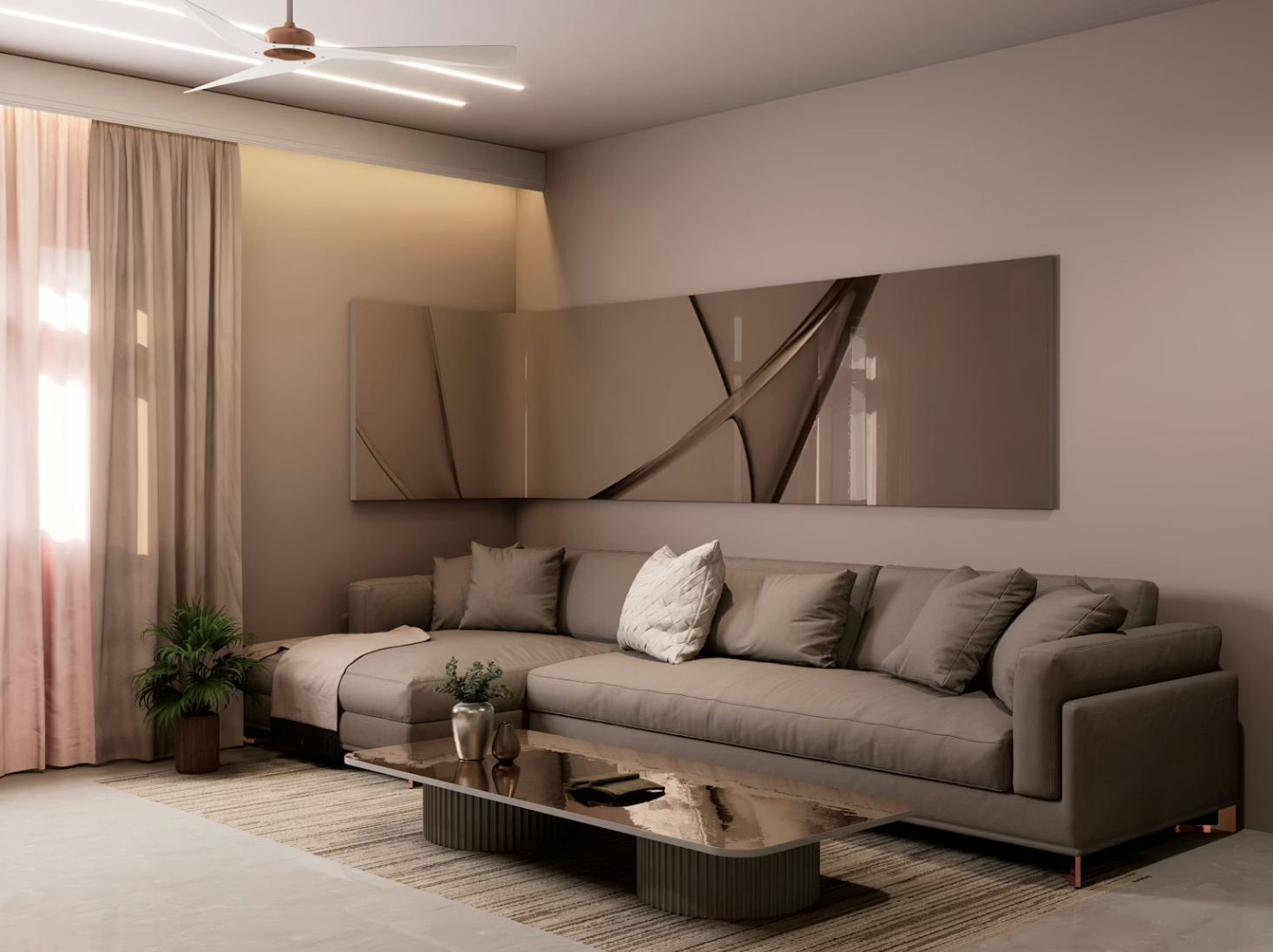
Minimalist Home Buying Guide: What Do You Really Need?
A calm home rarely happens by accident. It is usually the result of small, thoughtful choices: the chair that actually gets used, the storage basket that solves a daily annoyance, the lamp that makes an evening feel softer, the table that does not overpower the room. Minimalist home buying is not about owning as little as possible. It is about buying with enough clarity that every item earns its place.
In a world where home products are constantly presented as must-haves, minimalism can feel like a quiet reset button. It asks a better question than “What looks nice?” or “What is trending?” The better question is: “What do I truly need for the way I live?”
This guide is designed to help you build a home that feels intentional, functional, and beautiful without becoming empty or overly strict. Whether you are furnishing a first apartment, refreshing a tired room, or trying to stop buying things that end up unused, the minimalist approach can help you spend more wisely and live more comfortably.
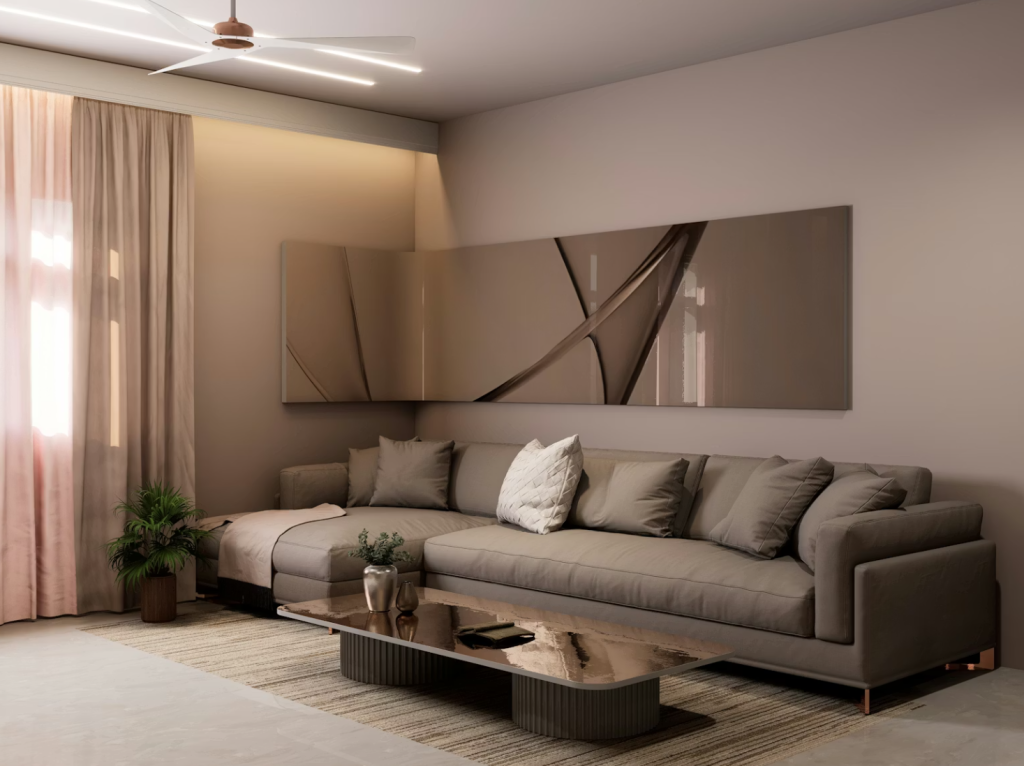
What Minimalist Home Buying Really Means
Minimalist home buying does not mean choosing only white furniture, bare walls, or expensive designer pieces. It means reducing visual noise, avoiding duplicate purchases, and focusing on items that support your daily life.
A minimalist home can still be warm. It can have texture, color, personal objects, books, art, plants, and cozy textiles. The difference is that these things are chosen carefully rather than collected automatically.
At its best, minimalist buying helps you avoid three common problems: clutter, waste, and regret. Clutter happens when too many items compete for space. Waste happens when products are bought for an imagined lifestyle instead of a real one. Regret happens when a purchase looks good online but fails to work in your actual room.
The goal is not perfection. The goal is usefulness with a sense of calm.
Start With Your Lifestyle, Not the Product
Before buying anything, look at how you already live. A beautiful bench by the entryway may seem practical, but if you enter through the kitchen every day, it may become a decorative parking spot for bags and jackets. A large dining table may feel aspirational, but if you mostly eat at a breakfast counter, a smaller table may serve you better.
Ask yourself how you move through your home on an ordinary weekday. Where do you drop your keys? Where do you charge your phone? Where do shoes pile up? Where do you read, work, eat, fold laundry, or relax?
Minimalist buying begins with observing these patterns. The best home purchases solve real friction. They make everyday actions easier, cleaner, or more pleasant.
It is helpful to think in zones: sleeping, cooking, eating, working, relaxing, cleaning, storage, and getting ready. Each zone should have what it needs to function smoothly. Anything beyond that should add genuine comfort or meaning.
The Essential Foundation: Furniture That Works Hard
Furniture is where minimalist buying matters most because large pieces shape the entire feeling of a home. A sofa that is too big, a bed frame that overwhelms the bedroom, or a bulky cabinet that blocks natural light can make even a tidy space feel heavy.
Start with the pieces you use every day. In most homes, the true essentials are a comfortable bed, a functional sofa or lounge chair, a practical dining or work surface, seating that suits your household, and storage that matches your belongings.
When choosing furniture, prioritize proportion. A modest room usually looks better with lighter silhouettes, visible legs, and pieces that allow space around them. In a larger room, one or two substantial pieces can create balance, but too many heavy items can make the space feel crowded.
Multi-use furniture can be helpful, but only when it solves a genuine need. A storage bed may be excellent for a small apartment. A sofa bed may be useful if guests regularly stay overnight. A nesting table may work well in a compact living room. But multi-function does not automatically mean better. If a piece tries to do too much and does none of it well, it may become frustrating.
A minimalist rule worth keeping: buy fewer large pieces, but choose them with more care.
Storage: The Quiet Hero of a Minimalist Home
Minimalism is not possible without realistic storage. A home does not become cluttered only because people own too much. It also becomes cluttered when useful items have nowhere convenient to go.
Good storage should match the items you actually own. If you have many shoes, one small rack will not solve the entryway. If you cook often, attractive open shelving may not be as useful as closed cabinets that hide bulkier tools. If you work from home, a drawer or box for cables, notebooks, and small devices can make the room feel calmer.
Closed storage is often better for visual calm, especially in living rooms, bedrooms, and entryways. Open shelving can look elegant, but it requires editing and maintenance. If every shelf is filled to the edge, it becomes display clutter rather than practical storage.
Think of storage as a system, not a product. Baskets, bins, drawer dividers, hooks, and cabinets are only helpful when they support a habit. A basket by the sofa can hold blankets. A tray near the door can hold keys. A drawer divider can prevent small items from becoming a mess. The right storage makes tidying feel natural rather than like a weekly rescue mission.
Kitchen Essentials: Buy for How You Cook
The kitchen is one of the easiest places to overbuy. Specialty tools, matching sets, and attractive gadgets can quickly fill drawers. A minimalist kitchen is not empty; it is efficient.
For most households, the real essentials include a reliable knife, cutting board, cookware that suits your meals, a few versatile utensils, basic food storage, dishware, glassware, and cleaning supplies. The exact list depends on how you cook.
If you prepare simple meals, you may not need a full set of pans or a dozen specialized tools. If you bake often, measuring tools, mixing bowls, and baking sheets are not extras; they are core items. If you make coffee every morning, your coffee setup deserves a proper space because it supports a daily ritual.
Avoid buying kitchen items because they promise a fantasy version of your lifestyle. A juicer, pasta maker, or elaborate appliance can be wonderful if you use it often. If not, it becomes an expensive object that takes up valuable space.
A smart approach is to buy basic, versatile items first. Add specialty tools only after you notice a repeated need.
Bedroom Buying: Comfort Before Decoration
A minimalist bedroom should feel restful, not underdesigned. The most important purchases are the ones that support sleep, comfort, and ease.
The bed is the anchor. A good mattress, suitable pillows, breathable bedding, and a stable bed frame matter more than decorative accessories. When the basics are right, the room already feels better.
Nightstands should be chosen for actual use. If you keep books, glasses, chargers, or skincare nearby, choose a nightstand with enough surface and drawer space. If you prefer a clean bedside look, a small table may be enough.
Lighting is often overlooked. A harsh overhead light can make a bedroom feel flat and uncomfortable. A bedside lamp, wall sconce, or soft ambient light can create a calmer evening routine.
For decor, choose fewer pieces with more intention. One piece of art, a textured throw, or a beautiful lamp can have more impact than several small decorative objects scattered across surfaces.
Living Room Essentials: Comfort, Conversation, and Calm
The living room often carries too many jobs. It may be a place to relax, entertain, watch movies, read, work, or play with children. Minimalist buying helps you decide which jobs matter most.
Start with seating. Choose a sofa or chairs that match the size of the room and the way people gather. A beautiful sofa that is uncomfortable will not serve the home well. A deep sectional may be ideal for movie nights, while a smaller sofa and two chairs may support conversation better.
Next, consider surfaces. A coffee table, side table, or nesting table should support real activities: drinks, books, remotes, snacks, or laptops. If you often find items on the floor, you may need a surface. If tables simply collect clutter, you may need less surface area or better storage.
A media unit should hide or organize cables and devices. Visual clutter from cords can disrupt an otherwise clean room. Simple cable management can make a surprisingly large difference.
Finally, soften the space. Rugs, curtains, cushions, and throws can make minimalist rooms feel warm rather than sparse. The key is restraint. Choose textures and tones that work together instead of adding random accents.
Decor: Choose Meaning Over Quantity
Decor is where minimalism can become personal. A home without personal touches may look neat but feel unfinished. The answer is not to remove all decoration, but to choose decor that has meaning, beauty, or purpose.
A framed print from a favorite place, a handmade ceramic bowl, a family photograph, a sculptural lamp, or a plant can add life without overwhelming a room. The best decor gives the eye somewhere to rest.
Avoid decorating every empty corner. Empty space is not a failure. It gives furniture, art, and light room to breathe. In a minimalist home, the space between objects is part of the design.
When buying decor, consider scale. Many small items can make a room feel busy. One larger piece often looks more polished than several tiny objects. For example, a single large mirror can brighten an entryway better than a cluster of small decorations.
Lighting: The Upgrade That Changes Everything
Lighting is one of the smartest minimalist home purchases because it improves both function and atmosphere. A room with good lighting needs less decoration because light itself creates depth.
Most rooms benefit from layers: general lighting, task lighting, and accent lighting. General lighting brightens the room. Task lighting helps with reading, cooking, working, or grooming. Accent lighting adds warmth and mood.
A living room may need a floor lamp near a chair, a table lamp on a console, and soft overhead lighting. A kitchen may need bright task lighting near counters. A bedroom may need gentle bedside lighting. A workspace needs light that reduces eye strain and supports focus.
When choosing lamps, look for simple designs that blend with the room rather than demand attention. Warm light often feels more inviting in bedrooms and living areas, while brighter light may work better in kitchens and work zones.
Textiles: The Difference Between Bare and Beautiful
Minimalist homes can feel cold when textiles are ignored. Rugs, curtains, bedding, towels, and cushions bring softness, sound absorption, and visual warmth.
The key is to buy textiles with purpose. A rug can define a living area. Curtains can soften windows and improve privacy. A throw can make a sofa more inviting. Bedding can change the entire mood of a bedroom.
Stick to a controlled palette if you want a calmer look. This does not mean everything must be beige. It means colors should relate to one another. Soft neutrals, muted earth tones, gentle blues, warm grays, or deep greens can all work beautifully when repeated with intention.
Quality matters with textiles because these items touch the body and often need washing. Choose materials that fit your climate, maintenance habits, and comfort preferences.
What Is Optional in a Minimalist Home?
Optional items are not bad. They simply should not be mistaken for essentials.
Accent chairs, decorative trays, wall art, large mirrors, plants, sideboards, ottomans, smart home devices, and specialty appliances can all be worthwhile in the right home. The question is whether they solve a need, improve comfort, or bring lasting pleasure.
For example, a large mirror may be optional in one home but essential in a small apartment where it reflects light and makes the room feel more open. A plant may be decor for one person and a calming daily ritual for another. A smart speaker may be unnecessary for some households but useful for someone who uses voice controls daily.
Minimalism leaves room for preference. It simply asks you to be honest about the difference between useful, beautiful, and impulsive.
Common Buying Mistakes to Avoid
One of the biggest mistakes is buying too quickly. A room does not need to be finished in a weekend. In fact, homes often become better when they evolve slowly. Living in a space before filling it helps you understand what is missing.
Another mistake is buying sets without considering the room. Matching furniture sets may seem easy, but they can make a home feel flat. A more refined approach is to choose pieces that coordinate without looking identical.
A third mistake is choosing looks over measurements. Always measure before buying furniture, rugs, curtains, and storage pieces. A sofa that looks perfect online can feel awkward if it blocks a walkway. A rug that is too small can make a room feel disconnected.
Another common issue is buying for your fantasy self. If you rarely host formal dinners, a large dining setup may not be the best use of space. If you do not enjoy complex cooking, specialty kitchen tools may become clutter. Buy for the life you live most days.
Finally, avoid confusing minimalism with discomfort. A home should support you. If removing too much makes daily life harder, it is not minimalism; it is inconvenience.
How to Decide Before You Buy
Before making a purchase, pause and ask a few practical questions.
Where will this item live?
How often will I use it?
Does it solve a real problem?
Do I already own something that does the same job?
Is it easy to clean, store, or maintain?
Will I still like it when the trend fades?
Does the size fit my space?
These questions can prevent most unnecessary purchases. They also help you recognize when something is genuinely worth buying.
For higher-cost items, give yourself more time. Save the product, measure the space, compare materials, read specifications, and think about how it fits with what you already own. A slower decision is often a better decision.
Building a Home That Feels Like Yours
A minimalist home should not feel like a showroom. It should feel like your life, edited with care. The point is not to impress visitors with how little you own. The point is to create a home that works smoothly and feels peaceful when you return to it.
The most successful minimalist spaces often have a quiet rhythm: practical furniture, useful storage, warm lighting, comfortable textiles, and a few meaningful objects. Nothing shouts, but everything contributes.
This approach also makes shopping easier. Instead of being distracted by every new trend, you learn to recognize what belongs in your home. You become less reactive and more selective. That is where the real value of minimalist buying appears.
Conclusion
Minimalist home buying is less about restriction and more about confidence. When you understand your routines, your space, and your real priorities, you can buy fewer things without feeling deprived. The result is a home that feels calmer, easier to maintain, and more aligned with everyday life.
What do you really need? You need items that support comfort, function, and a sense of belonging. You need furniture that fits, storage that works, lighting that flatters the room, textiles that soften the space, and decor that means something. Everything else can wait until it proves its purpose.
FAQs
What should I buy first for a minimalist home?
Start with the items that support daily life: a comfortable bed, practical seating, essential kitchen tools, good lighting, and storage for the things you use often. Decorative pieces can come later once you understand the space.
Does a minimalist home have to be neutral?
No. Neutral colors are common in minimalist interiors because they create calm, but they are not required. A minimalist home can include color as long as the palette feels intentional and not visually overwhelming.
How do I avoid buying too much home decor?
Before buying decor, decide where it will go and what role it will play. Choose larger, meaningful pieces instead of many small items. Leave some empty space so the room can breathe.
Is minimalist furniture always expensive?
Not necessarily. Minimalist buying is about thoughtful choices, not luxury pricing. Simple, well-proportioned furniture can be found at many price points. The key is to focus on size, function, durability, and how well the piece fits your home.
Can a family home be minimalist?
Yes. A family home can be minimalist without being bare. The goal is to create clear storage, reduce duplicates, and choose durable items that support real routines. Minimalism can make family life easier by making things simpler to find, use, and put away.


You May Also Like
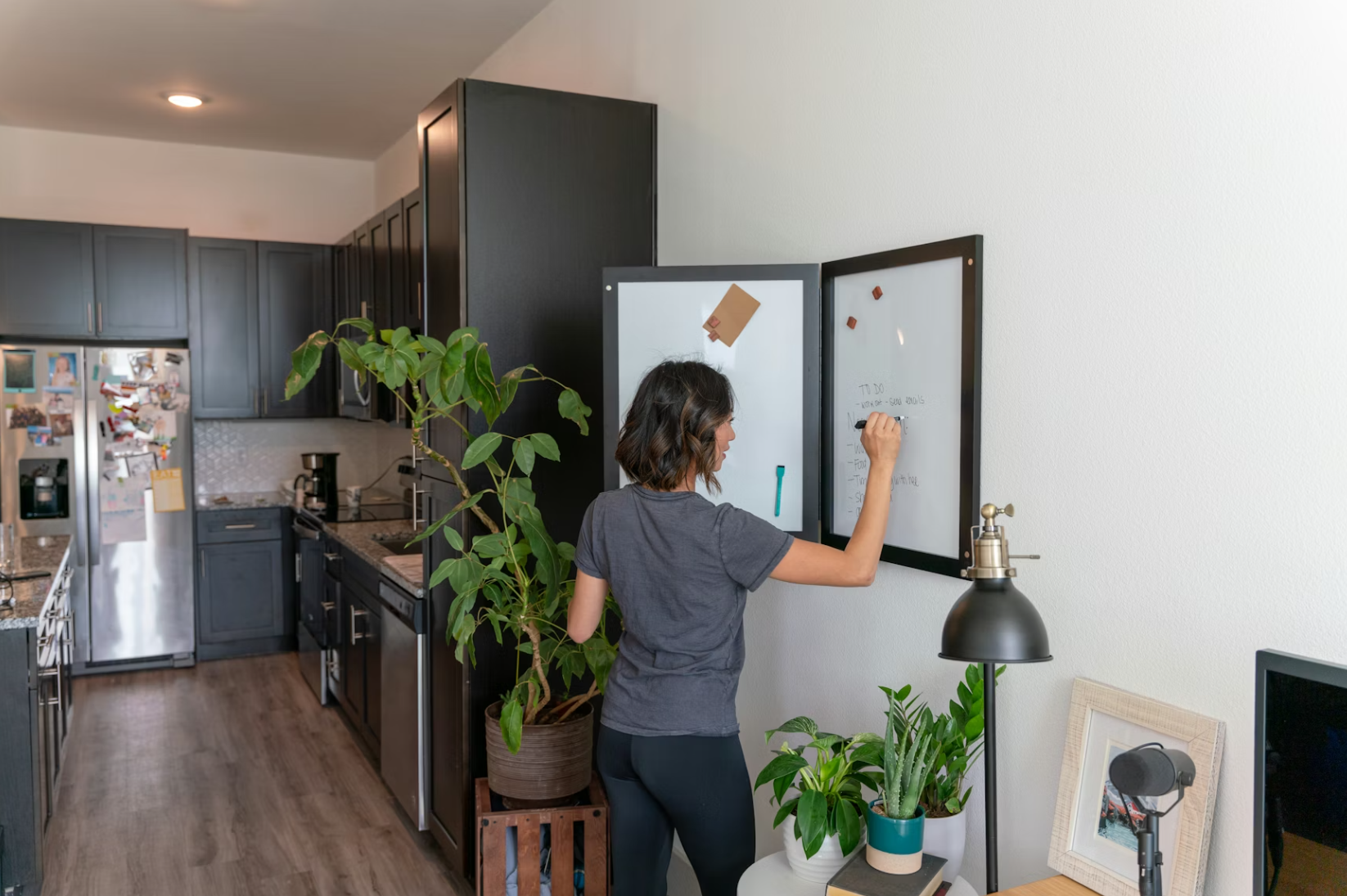
Smart Storage Ideas for a Cleaner and More Organized Home
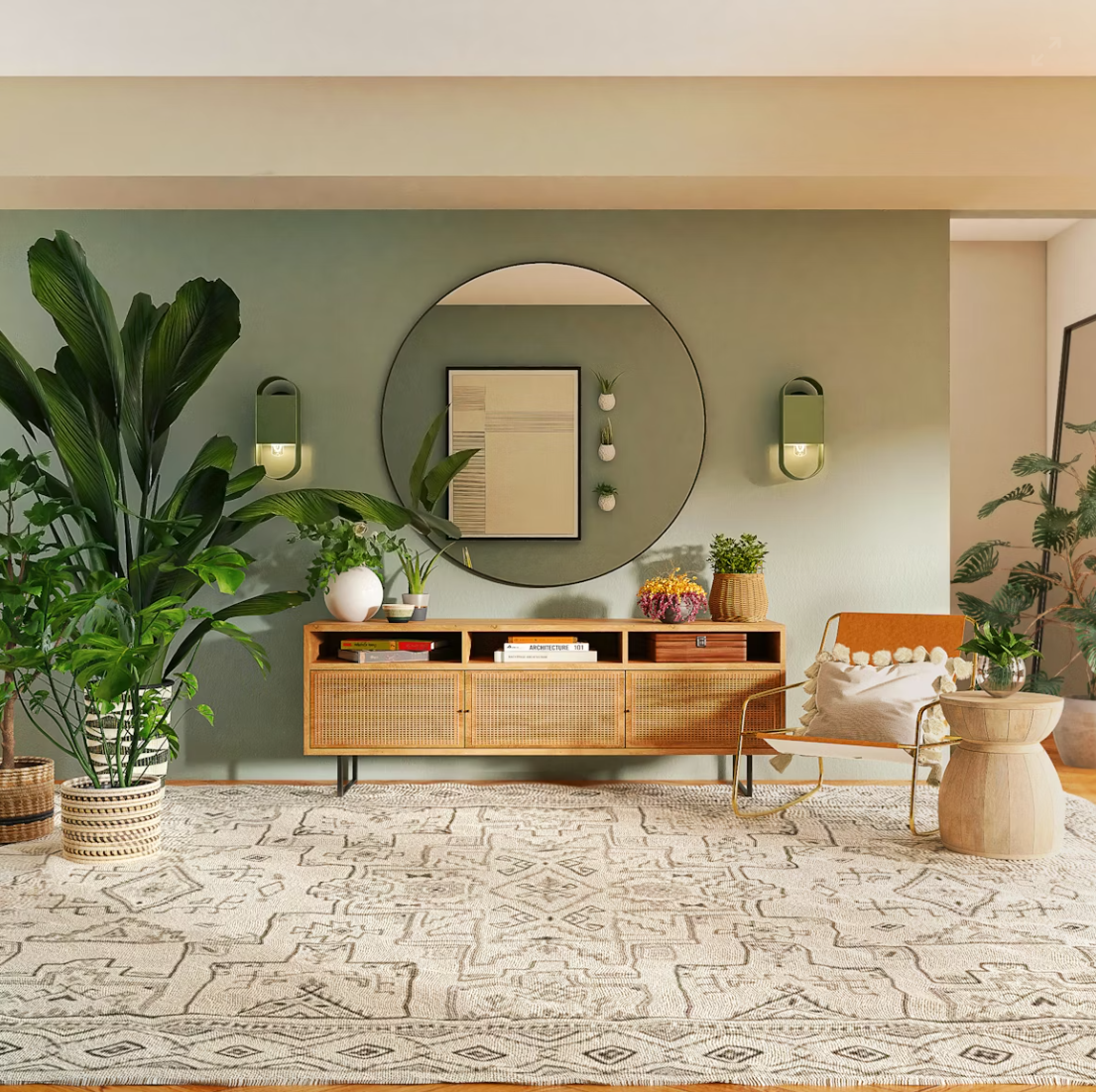
How to Choose Home Decor That Matches Your Lifestyle