How to Choose the Right Fitness Gear for Home Workouts
A good home workout space does not need to look like a glossy gym advertisement. It does not need a wall of machines, a rack of matching dumbbells, or a corner filled with equipment you only use twice before it becomes storage. The best home fitness gear is quieter than that. It fits your space, supports the way you actually move, and makes exercise feel easier to begin.
That is the real secret of choosing fitness gear for home workouts: the right items remove friction. They help you roll out of bed and stretch, squeeze in a strength session between meetings, or do a calm evening workout without driving across town. The wrong gear does the opposite. It takes up too much room, feels awkward, costs more than it should, or does not match your routine.
With so many options available, it is easy to confuse “more equipment” with “better workouts.” But most people do not need everything. They need a smart foundation: a few reliable pieces that suit their goals, space, budget, fitness level, and daily habits. This guide will help you think like a practical buyer, not an impulsive shopper, so you can build a home workout setup that feels useful, realistic, and sustainable.
Start With the Workout You Actually Do
Before buying anything, look honestly at the type of exercise you enjoy or can see yourself doing consistently. This matters more than trends, brand names, or the most impressive-looking equipment.
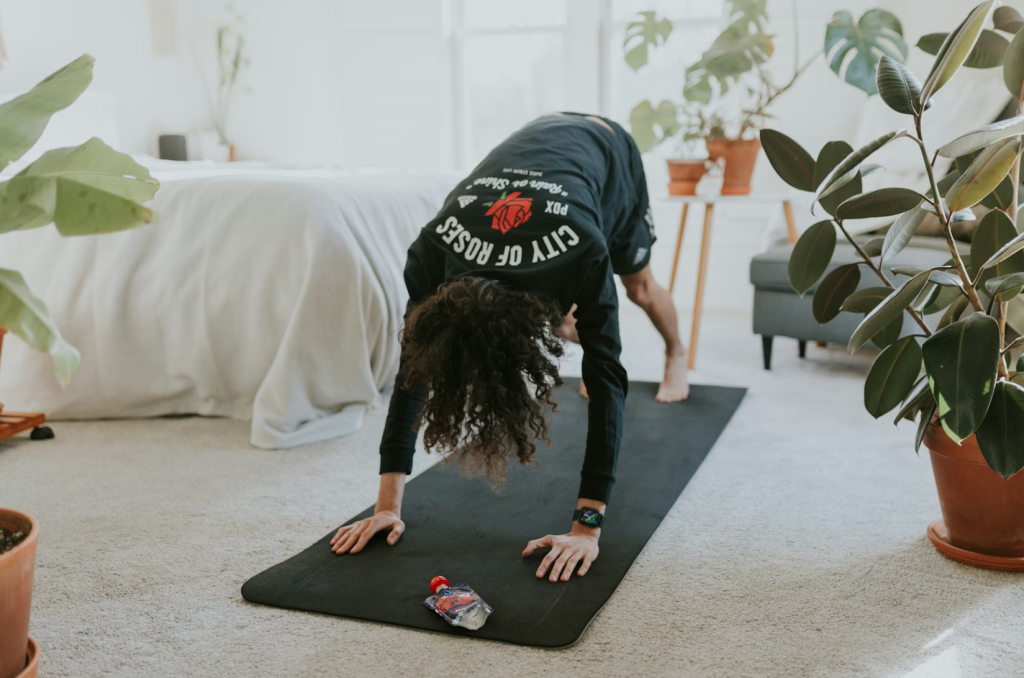
If your routine is mostly bodyweight training, stretching, yoga, Pilates, or low-impact movement, your essentials may be simple: a supportive mat, resistance bands, a few light weights, and perhaps a stability ball. If you prefer strength training, you may need adjustable dumbbells, kettlebells, a bench, or heavier resistance bands. If cardio is your focus, a jump rope, compact step platform, foldable treadmill, exercise bike, or rowing machine may be more relevant.
The key is to avoid buying for an imaginary version of yourself. Many shoppers purchase gear for the routine they hope they will suddenly love. A large machine may look motivating on the product page, but if you dislike repetitive cardio, it may become expensive furniture. A full weight set may feel ambitious, but if you only have twenty minutes a day, adjustable or compact gear may be easier to use.
A useful question is: what workout would I realistically do three times a week at home? Your answer should guide every buying decision.
Consider Your Space Before Your Shopping Cart
Home fitness gear must live somewhere. That sounds obvious, but it is one of the most common mistakes people make. A product can be highly rated and still be wrong for your home if it disrupts the room.
Start by measuring the area where you plan to exercise. Think beyond storage dimensions. You need movement space, not just equipment space. A yoga mat may fit beside your bed, but can you extend your arms comfortably? A bench may slide into a corner, but can you step around it safely? A treadmill may fold, but will it feel convenient enough to unfold and use regularly?
For small apartments, compact and multi-use gear often makes more sense than bulky single-purpose equipment. Resistance bands, adjustable dumbbells, foldable mats, sliders, and suspension trainers can support a surprising range of exercises without taking over a room. For larger homes, you may have more freedom to consider a dedicated workout zone with heavier equipment, but the same rule still applies: the easier your setup is to access, the more likely you are to use it.
Storage also affects motivation. If your gear is hidden under boxes or requires a long setup process, workouts become easier to postpone. Choose equipment that can be stored neatly but accessed quickly. A basket of bands, a small rack of weights, or a mat kept within reach can make home exercise feel part of daily life instead of a project.
Prioritize Versatility Over Quantity
A strong home workout setup is not built by collecting as many items as possible. It is built around gear that can support multiple movements.
Resistance bands are a good example. A set with different resistance levels can be used for warm-ups, strength training, mobility work, glute exercises, arm movements, and travel workouts. Adjustable dumbbells can replace several pairs of fixed weights. A sturdy bench can support pressing, step-ups, rows, split squats, and seated exercises. Even a simple mat can serve stretching, core work, yoga, recovery sessions, and floor-based strength training.
Versatile gear gives you more value because it grows with your routine. As you improve, you can increase resistance, change angles, slow down movements, or combine exercises without needing to buy something new immediately.
Single-purpose equipment is not always a bad choice. A treadmill, bike, or rowing machine may be excellent if you genuinely love that style of training and use it often. But before buying specialized gear, ask whether it will solve a real need or simply add clutter. The more specific the item, the more confident you should be that it fits your long-term habits.
Match Equipment to Your Fitness Level
Fitness gear should challenge you, not punish you. Beginners often make the mistake of buying equipment that is too advanced, too heavy, or too complicated. This can make workouts frustrating or increase the chance of using the item incorrectly.
If you are new to home workouts, start with approachable basics. A quality exercise mat, light to medium resistance bands, and a pair of manageable dumbbells can cover many routines. The goal at the beginning is consistency, comfort, and learning movement patterns. You can always add more resistance later.
Intermediate exercisers may want gear that allows progression. Adjustable dumbbells, heavier bands, kettlebells, a pull-up bar, or a compact bench may offer more challenge without requiring a full gym setup. Advanced users may need heavier weights, a rack, barbell equipment, or more durable cardio machines, depending on training goals.
Do not judge gear only by how difficult it looks. The best equipment meets you where you are and gives you room to improve. If an item feels intimidating, painful, or overly complex, it may not be the right first purchase.
Think About Comfort, Grip, and Stability
Home workout gear needs to feel good in real use. A mat that slips, dumbbells with uncomfortable handles, or bands that roll and pinch can quickly turn a workout into a distraction.
For mats, consider thickness, texture, grip, and cleaning ease. A thicker mat may feel more comfortable for floor exercises, stretching, and Pilates, while a thinner grippy mat may work better for balance-focused yoga or standing movements. For dumbbells and kettlebells, look at handle size and grip texture. Smooth handles may feel sleek, but they can be harder to hold when your hands get sweaty.
Stability is especially important for benches, steps, and larger equipment. A bench should feel solid, not wobbly. A step platform should have a non-slip surface. A treadmill or bike should feel steady during movement, not shaky or noisy. When gear feels secure, workouts feel more confident and focused.
Comfort is not a luxury detail. It directly affects whether you keep using the equipment.
Choose Durable Materials Without Overpaying
Durability matters, but it does not always mean buying the most expensive option. Instead, focus on materials, construction, weight capacity, and realistic use.
For resistance bands, check whether they are made from quality latex or fabric and whether the set includes multiple resistance levels. Fabric bands may feel more comfortable for lower-body work because they are less likely to roll, while latex bands can be more flexible for upper-body and mobility exercises.
For weights, rubber-coated dumbbells or kettlebells can help protect floors and reduce noise, which is useful in apartments. Metal options may last a long time but can be louder and less floor-friendly. For benches, look for strong frames, stable feet, and upholstery that seems easy to clean.
For machines, durability involves more details: motor strength, frame quality, maximum user weight, warranty terms, folding mechanism, and noise level. It is worth reading product specifications carefully before making a larger purchase.
The smartest approach is to spend more where safety, comfort, and longevity matter, and spend less on accessories that are easy to replace.
Build Around Your Main Goal
Different fitness goals call for different gear. You do not need to label yourself as one type of exerciser forever, but it helps to choose a main direction.
For strength and muscle-building routines, prioritize resistance. Dumbbells, kettlebells, resistance bands, a bench, and possibly a pull-up bar are practical starting points. For cardio and endurance, consider equipment that keeps your heart rate elevated and suits your joints, space, and noise tolerance. Jump ropes are affordable and compact, while bikes, treadmills, and rowers require more investment and room.
For flexibility, mobility, or recovery-focused routines, a good mat, yoga blocks, stretching straps, foam rollers, and massage balls may be more useful than heavy equipment. For general wellness and mixed routines, choose flexible basics that support strength, stretching, and light cardio without overwhelming your home.
A common mistake is buying gear for every possible goal at once. It is better to build in layers. Start with your current priority, then expand once your routine becomes consistent.
Pay Attention to Noise and Floor Protection
Home workouts happen inside real homes, often with neighbors, family members, pets, or shared walls nearby. Noise can affect how comfortable you feel using your gear.
Jump ropes, treadmills, dropping weights, and high-impact movements can be loud. If you live in an apartment, consider low-impact alternatives such as resistance training, mat workouts, cycling, rowing, walking pads, or controlled strength exercises. Rubber flooring tiles, exercise mats, and rubber-coated weights can help reduce sound and protect floors.
Floor protection is not just about avoiding scratches. It can also make exercise safer. A mat or workout flooring can improve grip, create a defined exercise area, and make the space feel intentional. For heavy equipment, check whether the floor can support the item and whether it needs a protective mat underneath.
If you are unsure, choose quieter gear first. The best equipment is the equipment you feel comfortable using at the times you are most likely to work out.
Do Not Ignore Maintenance and Cleaning
Fitness gear comes into contact with sweat, floors, hands, and sometimes shoes. Easy cleaning should be part of your buying decision.
Mats should be wipeable and resistant to lingering odors. Fabric bands may be comfortable but may need more frequent washing than latex bands. Dumbbells, kettlebells, and benches should be easy to clean with a simple wipe-down. Machines may require occasional belt adjustment, lubrication, battery replacement, or software updates, depending on the product.
Maintenance affects long-term satisfaction. A machine that needs constant attention may not be ideal for someone who wants simple, low-effort workouts. A mat that traps odor may become unpleasant quickly. A bench with delicate upholstery may wear faster than expected.
Before buying, check how the item should be cleaned and stored. Simple care routines make home fitness feel easier to maintain.
Smart Starter Gear for Most Home Workouts
For many people, a strong starter setup can be surprisingly simple. A supportive exercise mat is often the foundation. It defines your workout space and supports stretching, core training, yoga, Pilates, and bodyweight exercises.
Resistance bands are another smart early purchase because they are affordable, portable, and adaptable. A set with light, medium, and heavy resistance can be used for many exercises. Dumbbells add more structure to strength training. Adjustable dumbbells are space-saving, while fixed dumbbells may feel simpler and quicker to grab.
A jump rope can be useful for cardio if you have enough space and a suitable floor. Sliders can add challenge to core and lower-body exercises. A foam roller may support recovery routines, though it is optional rather than essential for everyone.
For those ready to invest more, a bench, kettlebell, walking pad, compact bike, or rowing machine can be helpful, but these should come after you understand your routine. Start with flexible essentials, then upgrade based on what you actually use.
Common Mistakes to Avoid
One of the biggest mistakes is buying too much too soon. A full setup may feel exciting at first, but it can also create pressure and clutter. Start with a few useful items and let your habits guide future purchases.
Another mistake is choosing gear based only on price. The cheapest option is not always the best value if it breaks quickly, feels uncomfortable, or is unsafe to use. On the other hand, the most expensive option is not automatically necessary. Look for balance: quality where it matters, simplicity where it is enough.
Many shoppers also overlook measurements. Always check dimensions, storage needs, ceiling height, and movement space. This is especially important for machines, benches, racks, and jump ropes.
A fourth mistake is ignoring personal preference. If you hate a certain type of exercise, owning equipment for it will not magically change that. Choose gear that supports movement you can tolerate, enjoy, or build into your schedule.
Finally, avoid buying equipment because it appears in a perfect-looking home gym online. Your setup should serve your life, not someone else’s photo.
How to Compare Fitness Gear Before Buying
When comparing options, think beyond the product title. Look at materials, dimensions, weight limits, resistance levels, adjustability, storage, warranty, and cleaning instructions. These practical details often tell you more than marketing language.
Read customer feedback carefully, but look for patterns rather than one dramatic review. If many users mention slipping, weak stitching, loud operation, confusing assembly, or poor durability, take that seriously. If complaints are rare or tied to unrealistic expectations, the product may still be suitable.
For larger purchases, compare the total ownership experience. Will delivery be difficult? Is assembly required? Can you move the item alone? Does it fold easily? Is customer support available? Are replacement parts or accessories easy to find?
A good buying decision usually feels calm and clear. You know where the gear will go, how you will use it, and why it fits your routine.
Create a Setup That Encourages Consistency
The best home workout gear is not just functional. It is inviting. When your equipment is easy to see, easy to reach, and pleasant to use, exercise becomes less of a negotiation.
Try creating a small fitness corner, even if it is only a mat, bands, and weights stored neatly together. Keep the area clean and uncluttered. If you follow workout videos, place your screen where you can see it easily. If music helps, keep headphones or a speaker nearby. Small details can make your setup feel like a ritual instead of a chore.
Consistency often comes from convenience. A perfect machine in a room you avoid is less useful than a simple mat in a space you enjoy. Choose gear that fits naturally into your day, whether that means ten minutes of stretching, a short strength circuit, or a longer weekend session.
When to Upgrade Your Home Fitness Gear
Upgrading makes sense when your current gear no longer supports your progress or comfort. If your dumbbells feel too light for most exercises, adjustable weights or heavier pairs may be worth considering. If resistance bands are worn, stretched, or damaged, replace them. If you are consistently walking or running indoors and want better tracking or comfort, a higher-quality cardio machine may be reasonable.
Upgrade because your habits prove the need, not because you feel guilty or inspired for a moment. Consistent use is the best signal that a bigger purchase may be worthwhile.
It is also fine to keep your setup minimal. Not every home workout routine needs to become a home gym. A carefully chosen collection of simple gear can support years of effective movement.
Conclusion
Choosing the right fitness gear for home workouts is less about building the most impressive setup and more about creating a space that supports real life. Start with your goals, your available space, your fitness level, and the kind of movement you are likely to repeat. Prioritize versatile, comfortable, durable items before investing in large or specialized equipment. Avoid clutter, compare practical details, and let your routine grow naturally. The right gear should make exercise feel more accessible, not more complicated. When your equipment fits your home and your habits, working out becomes easier to begin and easier to keep.
FAQs
What fitness gear should I buy first for home workouts?
A good exercise mat, a set of resistance bands, and one or two pairs of dumbbells are practical first choices for many people. These items are versatile, easy to store, and suitable for strength, mobility, stretching, and beginner-friendly routines.
Are resistance bands enough for home workouts?
Resistance bands can be enough for many home workouts, especially for beginners, mobility training, glute work, warm-ups, and light to moderate strength routines. However, people who want heavier strength progression may eventually benefit from dumbbells, kettlebells, or other weighted equipment.
Is it worth buying a treadmill or exercise bike for home?
It can be worth it if you enjoy that type of cardio and have enough space, budget, and motivation to use it regularly. Before buying, consider noise, storage, maintenance, comfort, and whether a smaller cardio option would fit your routine better.
How much space do I need for a home workout setup?
Many workouts can be done in an area large enough for a mat with room to move your arms and legs comfortably. Larger equipment such as benches, bikes, treadmills, or rowing machines requires more space, including safe clearance around the item.
How do I avoid wasting money on fitness gear?
Start small, buy for your current habits, and choose versatile equipment before specialized items. Measure your space, read product specifications, check common customer complaints, and wait to upgrade until your routine shows a real need.
You May Also Like
Yoga Equipment for Beginners: What Do You Really Need?
Running Shoes vs Training Shoes: What Is the Difference?