The Quiet Luxury of Feeling Comfortable
There is a particular kind of disappointment that happens in front of a mirror. The outfit looks right. The color is flattering. The cut seems modern. But five minutes after putting it on, something feels wrong. The shirt clings where it should skim. The sweater feels scratchy. The trousers look polished but feel stiff. Suddenly, the piece you imagined wearing all day becomes something you cannot wait to take off.
Comfortable clothing is not only about size. It is not only about whether something is loose or stretchy. More often, comfort begins with the material itself. Fabric decides how a garment feels against the skin, how it breathes, how it moves, how it holds heat, and how it behaves after a full day of real life.
For shoppers, this matters. A beautiful garment made from the wrong material for your lifestyle can become a closet decoration. A simple piece made from the right fabric can become the one you reach for every week. Understanding clothing materials helps you shop with more confidence, avoid disappointing purchases, and build a wardrobe that feels as good as it looks.
Why Fabric Matters More Than You Think
When people shop for clothing, they often start with style, color, price, or brand. Those things matter, of course, but fabric is the hidden foundation. It is the difference between a shirt that feels fresh at lunch and one that feels heavy by midday. It is the reason one pair of pajamas feels cloud-soft while another feels oddly slippery or warm.
Fabric affects four everyday comfort factors: skin feel, breathability, movement, and care. A comfortable material should feel pleasant against your body, allow enough airflow for your climate, move naturally with your activities, and be realistic to maintain.
The best choice is not always the most expensive fabric. It is the one that suits how, where, and how often you plan to wear it.
Comfort Starts With Skin Feel
Skin feel is the first thing most shoppers notice. Some materials feel crisp, some feel smooth, some feel plush, and some feel textured. None of these are automatically good or bad. The question is whether the texture works for your body and the garment’s purpose.
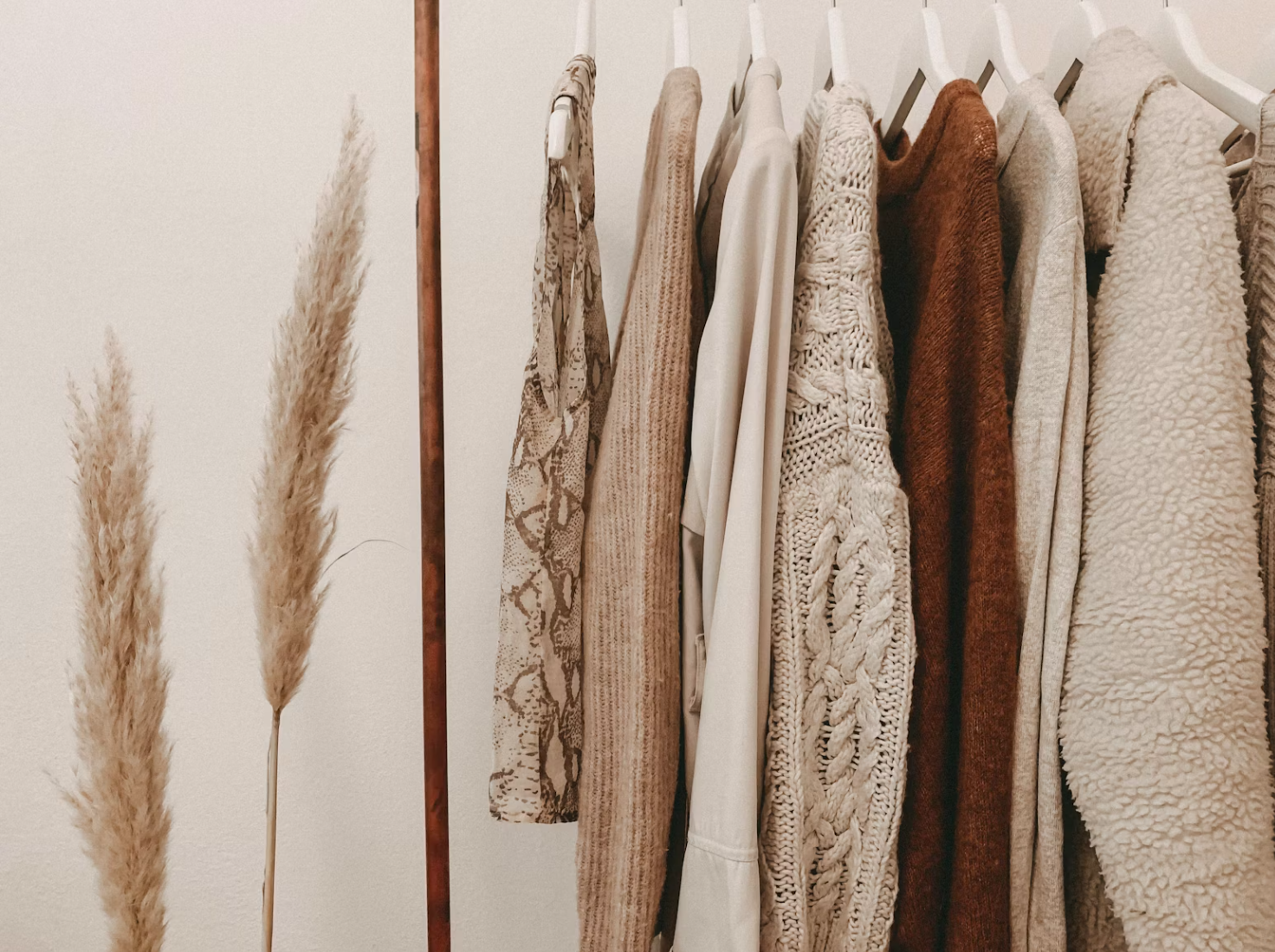
For example, a crisp cotton poplin shirt can feel clean and structured for office wear, while a brushed cotton tee may feel better for lounging. A chunky wool sweater may look beautiful, but if you are sensitive to texture, a softer merino blend or a cotton knit may be easier to wear.
When shopping online, look for descriptions such as soft, brushed, smooth, lightweight, ribbed, textured, or slub. These words give clues about how the material may feel. When shopping in person, touch the inside of the garment, not just the outside. Your skin will experience the interior most.
Breathability Is Everyday Practicality
Breathability is one of the most important comfort factors, especially in warm or humid climates. A breathable fabric allows air to circulate and helps reduce that trapped, stuffy feeling.
Natural fibers such as cotton and linen are often valued for breathability. Some modern fibers like lyocell and modal can also feel breathable and smooth, depending on the weave and garment design. On the other hand, some synthetic fabrics may trap heat if they are tightly woven or not designed for moisture management.
This does not mean synthetic materials are always uncomfortable. Performance clothing often uses polyester or nylon because these fibers can dry quickly and handle sweat better than many natural fibers. The key is context. A polyester workout top may make sense for exercise. A thick polyester blouse in hot weather may not.
Stretch, Drape, and Movement
Comfort is not only about softness. It is also about how clothing moves. Some fabrics have natural drape, meaning they fall fluidly over the body. Others hold structure, creating a crisp or tailored shape. Stretch fibers such as elastane or spandex can make garments more flexible, especially in jeans, leggings, fitted dresses, and workwear.
A fabric with good drape can feel elegant and easy. A fabric with structure can feel polished and secure. Stretch can improve comfort, but too much stretch without recovery may cause sagging or distortion over time. When possible, check whether a garment stretches and then returns to shape. This is especially important for waistbands, fitted tops, and everyday pants.
Cotton: The Familiar Everyday Favorite
Cotton is one of the most common clothing materials, and for good reason. It is soft, breathable, widely available, and versatile. You will find it in T-shirts, button-down shirts, underwear, denim, dresses, socks, sleepwear, and casual basics.
The comfort of cotton depends heavily on the fabric type. Cotton jersey feels soft and relaxed. Cotton poplin feels crisp. Cotton twill feels sturdy. Cotton flannel feels brushed and warm. Cotton denim feels durable and structured, especially before it softens with wear.
Cotton is a strong everyday choice for people who like natural fibers and easy styling. It can be especially appealing for basics that touch the skin, such as tees and sleepwear. However, cotton can absorb moisture and may take longer to dry than some performance fabrics. In very sweaty or rainy situations, it may feel damp rather than fresh.
When Cotton Works Best
Cotton works beautifully for everyday casual wear, layering pieces, relaxed shirts, warm-weather basics, and soft loungewear. It is also a practical choice for shoppers who prefer familiar, breathable materials.
If comfort is your priority, consider the weight and finish. Lightweight cotton can feel airy, while heavyweight cotton can feel substantial and cozy. Brushed cotton feels softer, while crisp cotton feels cleaner and more structured.
For easy care, check whether the garment is pre-shrunk or whether the label recommends cold washing. Cotton can shrink if exposed to high heat, so careful laundering can help preserve fit.
Linen: Cool, Airy, and Effortless
Linen has a relaxed elegance that few materials can match. It is known for breathability, lightness, and a naturally textured look. In warm weather, linen can feel airy and comfortable because it allows heat to escape more easily than many heavier fabrics.
Linen is often used in shirts, trousers, dresses, shorts, blazers, and resort-inspired pieces. It has a slightly rustic texture that gives clothing character. A linen shirt rarely looks stiff or overly formal. It suggests ease, like open windows, sunlight, and slow weekends.
The trade-off is wrinkles. Linen creases easily, and that is part of its charm. Some shoppers love the lived-in look. Others may find it too casual for polished settings. If you like the breathability of linen but want fewer wrinkles, look for linen blends, such as linen-cotton or linen-viscose.
What to Know Before Choosing Linen
Before buying linen, think about your tolerance for texture and creasing. Pure linen may feel slightly firm at first, though it often softens with washing and wear. It may not provide the smoothness of silk or modal, but it offers a kind of comfort that feels natural and breathable.
Linen is a smart choice for hot climates, vacations, summer workwear, and casual tailoring. For travel, linen blends may be more practical because they can reduce wrinkling while keeping some of linen’s airy appeal.
Wool and Merino: Soft Warmth Without Bulk
Wool has an old reputation for being scratchy, but modern wool clothing is far more varied. Some wool fabrics are coarse and rugged. Others are soft, fine, and surprisingly lightweight. Merino wool, in particular, is valued for comfort because its fibers are finer than traditional wool fibers.
Wool can help provide warmth without the heavy, bulky feel of some cold-weather materials. It is often used in sweaters, coats, socks, base layers, scarves, and tailored garments. Depending on the construction, it can feel cozy, refined, or performance-oriented.
Why Merino Feels Different
Merino wool is often used in clothing designed for layering, travel, and outdoor activities. It can feel soft against the skin and helps regulate temperature better than many people expect. That means it can feel warm in cool weather without feeling as heavy as a thick synthetic fleece.
Still, not all merino garments feel the same. The comfort depends on fiber quality, knit structure, thickness, and whether it is blended with other fibers. If you are sensitive to wool, look for extra-fine merino or wool blends with softer fibers. Always check the care instructions, because some wool items need gentle washing or flat drying.
Silk: Smooth, Light, and Refined
Silk is often associated with luxury, but its comfort comes from more than appearance. It is smooth, lightweight, and naturally fluid. Silk drapes beautifully, which is why it is often used in blouses, dresses, scarves, camisoles, and sleepwear.
Against the skin, silk can feel cool and soft. It is a good example of how comfort can be quiet rather than plush. Instead of feeling cozy like fleece or cotton flannel, silk feels smooth and barely there.
The main consideration is care. Silk can be delicate, and some garments require hand washing or dry cleaning. It can also show sweat marks or water spots more easily than sturdier fabrics. For everyday wear, silk blends or washable silk options may be easier to manage, but shoppers should still read the care label carefully.
Modal, Lyocell, and Viscose: Soft Modern Fibers
Some of the softest everyday clothing today is made from fibers such as modal, lyocell, and viscose. These are commonly used in T-shirts, dresses, underwear, pajamas, activewear blends, and drapey tops.
Modal is often praised for its smooth, soft feel. Lyocell is known for a fluid drape and cool touch. Viscose can mimic the softness and flow of more delicate fabrics at a more accessible price point. These materials can be very comfortable, especially for garments meant to skim rather than cling.
However, shoppers should remember that these fibers vary in quality. A well-made lyocell shirt may feel beautiful and last well with proper care. A very thin viscose garment may feel lovely at first but become harder to maintain if it wrinkles, stretches, or requires delicate washing.
What Shoppers Should Check
When choosing modal, lyocell, viscose, or similar fibers, read the full label. Check whether the garment is blended with cotton, polyester, elastane, or other fibers. Blends can change the way the fabric feels, stretches, breathes, and washes.
Care instructions are especially important. Some rayon-family fabrics can shrink, wrinkle, or weaken when wet if not handled properly. This does not mean you should avoid them. It simply means you should buy with realistic expectations.
Synthetics: Practical, But Not Always Cozy
Synthetic materials such as polyester, nylon, acrylic, and elastane are common in modern clothing. They are not automatically uncomfortable. In fact, they can be extremely useful.
Polyester and nylon are often used for performance wear because they can be lightweight, durable, and quick-drying. Elastane adds stretch and helps fitted garments move with the body. Acrylic is often used as a wool alternative in sweaters and knits.
The comfort question is how the synthetic fiber is used. A breathable performance knit may feel excellent during a workout. A non-breathable polyester lining inside a summer dress may feel sticky. A small amount of elastane in jeans can make them much more wearable. Too much synthetic content in a heavy knit may feel warm but less breathable.
The Role of Blends
Many comfortable garments are made from blended fabrics. A cotton-elastane T-shirt may feel softer and more flexible than pure cotton. A wool-nylon sock may be more durable than pure wool. A linen-viscose dress may drape better and wrinkle less than pure linen.
Blends are not a compromise by default. They are often designed to balance comfort, durability, stretch, cost, and care. The key is to understand what each fiber contributes.
If you want breathability, look for a meaningful percentage of cotton, linen, wool, or lyocell. If you want stretch, look for elastane or spandex. If you want quick drying, polyester or nylon may help. If you want softness and drape, modal, viscose, or lyocell may be worth considering.
How to Choose Materials by Lifestyle
The best clothing material depends on your daily rhythm. Someone who works in an air-conditioned office has different needs from someone commuting in humid weather. Someone building a travel wardrobe may value wrinkle resistance and quick drying. Someone shopping for loungewear may care most about softness and ease.
For hot weather, breathable materials such as linen, lightweight cotton, and lyocell can be comfortable choices. For colder weather, wool, merino, cotton fleece, and thicker knits may provide warmth. For workouts, performance synthetics or merino blends may be more practical than heavy cotton. For sleepwear, soft cotton, modal, bamboo-derived viscose, or silk may appeal depending on personal preference.
For professional wardrobes, think about how the fabric behaves after hours of sitting, walking, and layering. A shirt that wrinkles instantly may not suit long workdays. A blazer with a little stretch may feel better than a rigid one. A dress with lining should feel comfortable inside as well as outside.
Common Mistakes to Avoid
One common mistake is judging comfort by softness alone. A fabric can feel soft in your hand but become warm, clingy, or impractical after several hours. Softness is important, but it should be considered alongside breathability, weight, stretch, and care.
Another mistake is ignoring climate. A thick cotton sweatshirt may be perfect in cool weather but uncomfortable in humidity. A thin linen shirt may be ideal for summer but not warm enough for a cold office or winter layering.
Shoppers also sometimes overlook care labels. If you dislike hand washing, a delicate silk blouse may not fit your lifestyle no matter how beautiful it looks. If you use a dryer often, fabrics prone to shrinking may require extra caution.
Finally, do not assume that natural always means comfortable or synthetic always means uncomfortable. Comfort is about the whole garment: fiber, weave, fit, finish, lining, and intended use.
A Smarter Way to Read Clothing Labels
A clothing label is like a small shopping map. It tells you what the garment is made from and how it needs to be cared for. The more you understand labels, the easier it becomes to predict comfort before buying.
Start with the fiber content. If a T-shirt is mostly cotton with a small amount of elastane, expect breathable softness with some stretch. If trousers are mostly polyester with viscose and elastane, expect structure, drape, and flexibility, though breathability may vary. If a sweater is acrylic and wool, expect warmth with a different feel than pure wool.
Next, check care instructions. Machine washable clothing is easier for daily use. Dry clean only garments may be better for occasional wear. Lay flat to dry instructions are common for knits because hanging can stretch them out.
Finally, consider fabric weight. Lightweight does not always mean better, and heavyweight does not always mean uncomfortable. Lightweight fabrics can breathe well but may be sheer or clingy. Heavier fabrics can feel premium and smooth but may feel too warm in certain climates.
The Best Comfortable Fabric Is the One That Fits Your Life
There is no single perfect clothing material. Cotton is familiar and breathable. Linen is airy and relaxed. Merino wool is soft and temperature-friendly. Silk is smooth and refined. Modal and lyocell feel fluid and modern. Synthetics and blends can add stretch, durability, and performance.
The smartest approach is not to chase one “best” fabric, but to match materials to your real life. Think about the weather you live in, how long you wear the garment, how much movement your day requires, and how much care you are willing to give.
Comfortable clothing should support your day quietly. It should not distract, irritate, overheat, or demand too much effort. When the material is right, you notice it less because it simply works.
Conclusion
Choosing comfortable clothing materials is one of the most practical ways to shop better. Instead of focusing only on style or price, pay attention to how a fabric feels, breathes, moves, and washes. The right material can make a basic shirt feel elevated, a pair of trousers feel wearable, and a simple dress feel effortless.
A comfortable wardrobe is not built by accident. It comes from knowing what your body likes, what your climate requires, and what your lifestyle can realistically maintain. Once you understand fabrics, shopping becomes less of a guessing game and more of a thoughtful edit.
Frequently Asked Questions
What is the most comfortable clothing material for everyday wear?
Cotton is one of the most comfortable and versatile choices for everyday wear because it is soft, breathable, and widely available. However, modal, lyocell, and cotton blends can also be excellent depending on the garment and your personal preference.
Is linen more comfortable than cotton?
Linen can feel cooler and more breathable than cotton in hot weather, but it has a more textured feel and wrinkles more easily. Cotton is usually softer and more familiar, while linen feels airier and more relaxed.
Are synthetic fabrics bad for comfort?
Not necessarily. Synthetic fabrics such as polyester, nylon, and elastane can be useful for stretch, durability, and quick drying. The comfort depends on the fabric construction, breathability, and how the garment is used.
What fabric should I choose for sensitive skin?
Many people with sensitive skin prefer soft cotton, modal, silk, or fine merino, but individual reactions vary. Look for smooth textures, minimal scratchiness, and comfortable seams. It is also wise to wash new clothing before wearing it.
How can I tell if clothing will be comfortable when shopping online?
Read the fabric content, care label, product description, and customer reviews. Look for clues about softness, stretch, thickness, breathability, and fit. If possible, compare the material to garments you already own and enjoy wearing.

You May Also Like
How to Build a Capsule Wardrobe Without Overspending

Building a Wardrobe That Works as Hard as You Do