Health and Fitness Products Worth Comparing Before You Buy
Buying health and fitness products can feel surprisingly personal. A yoga mat is not just a yoga mat when it decides whether your knees feel supported during a morning stretch. A pair of running shoes is not just footwear when it changes how your feet feel after three miles. Even a simple water bottle can become either a daily companion or another item forgotten at the back of a cabinet.
The challenge is that the health and fitness category is full of products that look similar at first glance. Many promise comfort, performance, motivation, recovery, or convenience. Some are genuinely useful. Others are nice to have, but not essential. The smartest shoppers are not the ones who buy the most advanced item in every category. They are the ones who understand what matters for their own routine, compare the right details, and avoid paying extra for features they may never use.
Whether you are building a home gym, refreshing your workout wardrobe, starting a walking habit, or looking for tools that support daily wellness, comparison matters. A careful look at materials, fit, durability, usability, maintenance, and long-term value can help you choose products that actually fit your lifestyle.
Why Comparison Matters in Health and Fitness Shopping
Health and fitness products often influence how consistently you use them. A treadmill that is too loud for your apartment may become a source of frustration. Resistance bands that roll, snap, or feel uncomfortable may make workouts less enjoyable. A fitness tracker with too many complicated features may be less useful than a simpler model that clearly shows the data you care about.
Comparison also helps you separate practical benefits from polished marketing. A product may look sleek in photos, but the real question is whether it supports your body, your space, your goals, and your routine. For most people, the best product is not the most expensive one. It is the one that removes friction from healthy habits.
Think of fitness gear like a wardrobe. You do not need every piece from every trend. You need a few reliable essentials that fit well, work together, and make daily life easier.
Running Shoes and Training Shoes
Shoes are among the most important fitness products to compare because they directly affect comfort and movement. Running shoes and training shoes may look similar, but they are built for different purposes.
Running shoes are usually designed for forward motion. They often include cushioning, heel-to-toe support, and a shape that helps with repetitive strides. Training shoes are usually more stable from side to side, making them better for gym workouts, strength training, interval sessions, and exercises like lunges or lateral movements.
Before buying, compare the shoe’s intended use, cushioning level, stability, weight, toe box width, outsole grip, and return policy. Fit matters more than style. A beautiful shoe that pinches your toes or slips at the heel is not a smart purchase.
Common mistake: buying one pair of shoes for every activity. If you run several times a week and also do strength workouts, it may be worth considering separate shoes for each purpose.
Fitness Trackers and Smartwatches
Fitness trackers and smartwatches can be helpful, but they are not all designed for the same user. Some focus on simple step counting and heart rate tracking. Others include advanced workout modes, sleep insights, GPS, notifications, music controls, and app integrations.
The most useful tracker is the one that gives you information you will actually use. If your main goal is to walk more, a simple device with step tracking, long battery life, and easy-to-read data may be enough. If you train for races or enjoy outdoor workouts, GPS accuracy and detailed activity tracking may matter more.
Compare battery life, comfort, screen visibility, water resistance, app experience, charging method, compatibility with your phone, and privacy settings. Also consider whether you prefer wearing a watch every day. If the device feels bulky or distracting, it may spend more time on your desk than on your wrist.
Common mistake: choosing the model with the longest feature list instead of the one that matches your habits.
Adjustable Dumbbells and Free Weights
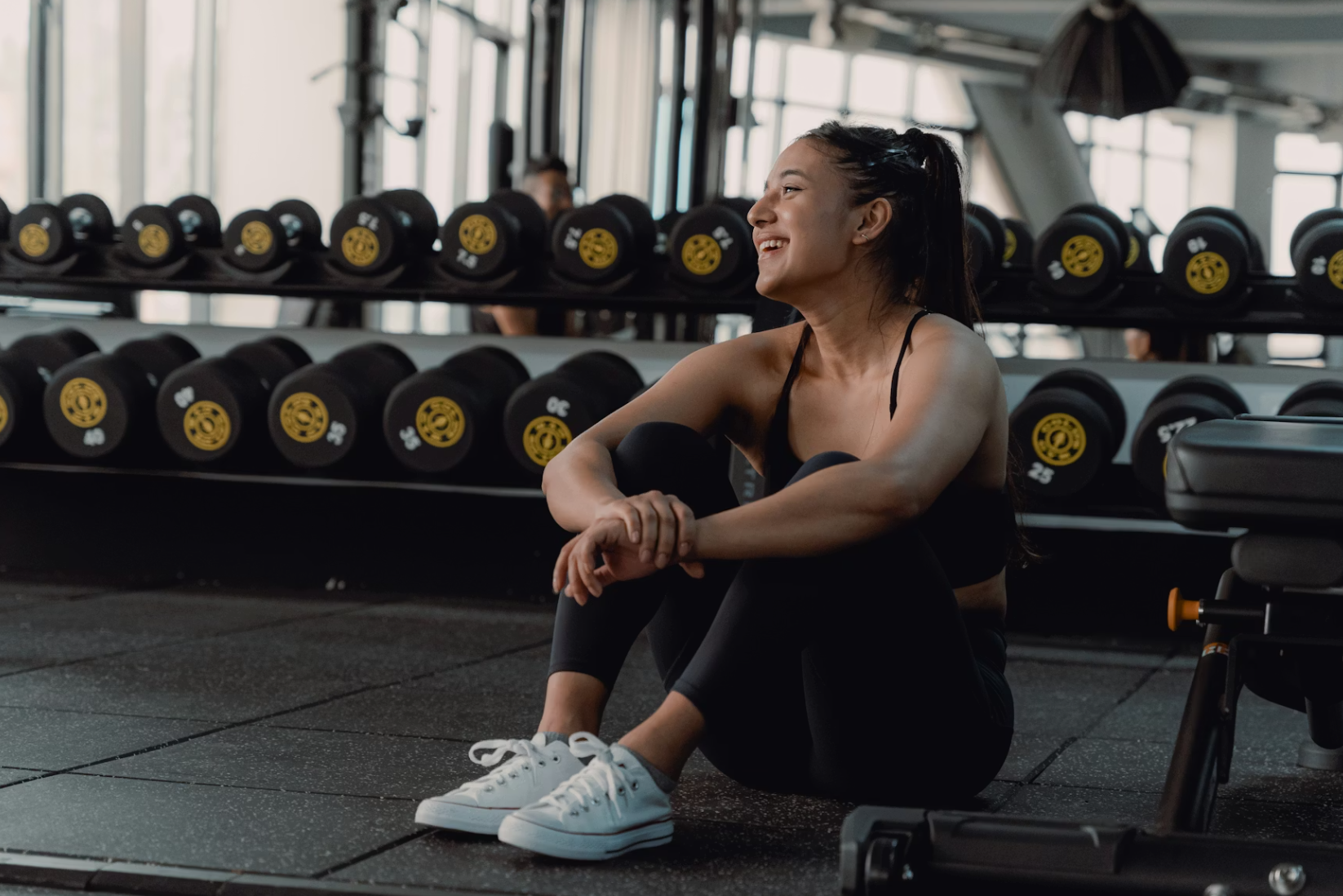
For home workouts, dumbbells are a classic investment. The main comparison is usually between traditional fixed dumbbells and adjustable dumbbells.
Fixed dumbbells are simple, durable, and easy to use. The downside is that a full set takes up space and can become expensive. Adjustable dumbbells save room by allowing you to change the weight on one compact system. However, they may feel bulkier, require adjustment time, and vary in durability depending on the design.
Before buying, compare weight range, adjustment mechanism, handle grip, shape, storage needs, build quality, warranty, and how quickly you can change weights between exercises. For beginners, a modest weight range may be enough. For progressive strength training, room to grow matters.
Common mistake: buying weights that are either too light to stay useful or too heavy to use safely and consistently.
Resistance Bands
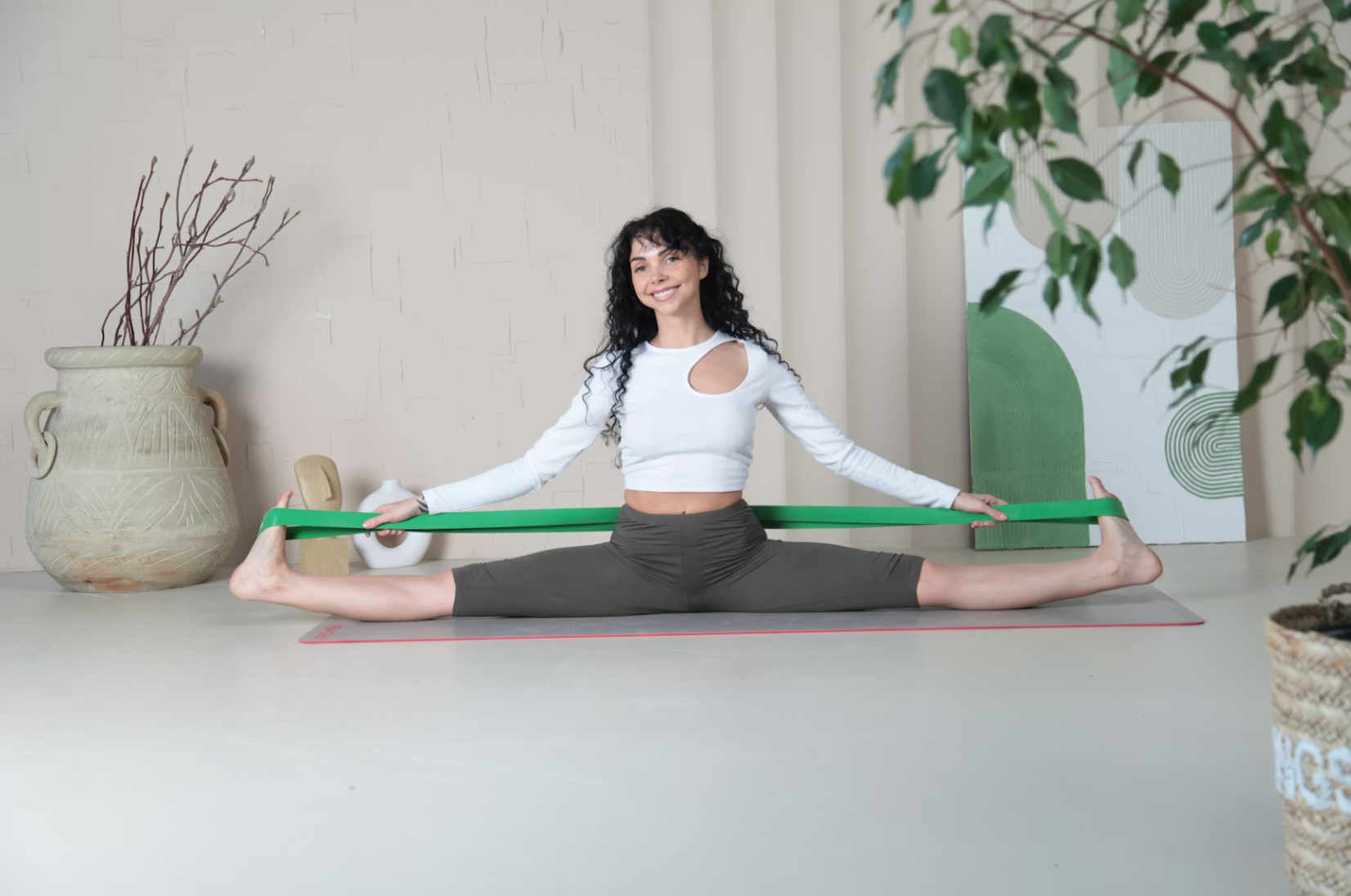
Resistance bands are affordable, portable, and versatile, but quality varies widely. Some bands are made for stretching and mobility, while others are designed for strength training, assisted pull-ups, glute work, or physical therapy-style exercises.
Compare material, resistance level, length, thickness, grip comfort, handles, anchor options, and whether the band is a loop, tube, or flat style. It is also useful to check whether the product includes clear resistance labels so you can progress gradually.
Bands should feel smooth, controlled, and secure during use. They should not roll painfully, smell strongly, or show early signs of cracking. For safety, inspect bands regularly and replace them when they show wear.
Common mistake: assuming all resistance bands are interchangeable. A light mobility band and a heavy strength band serve very different purposes.
Yoga Mats and Exercise Mats
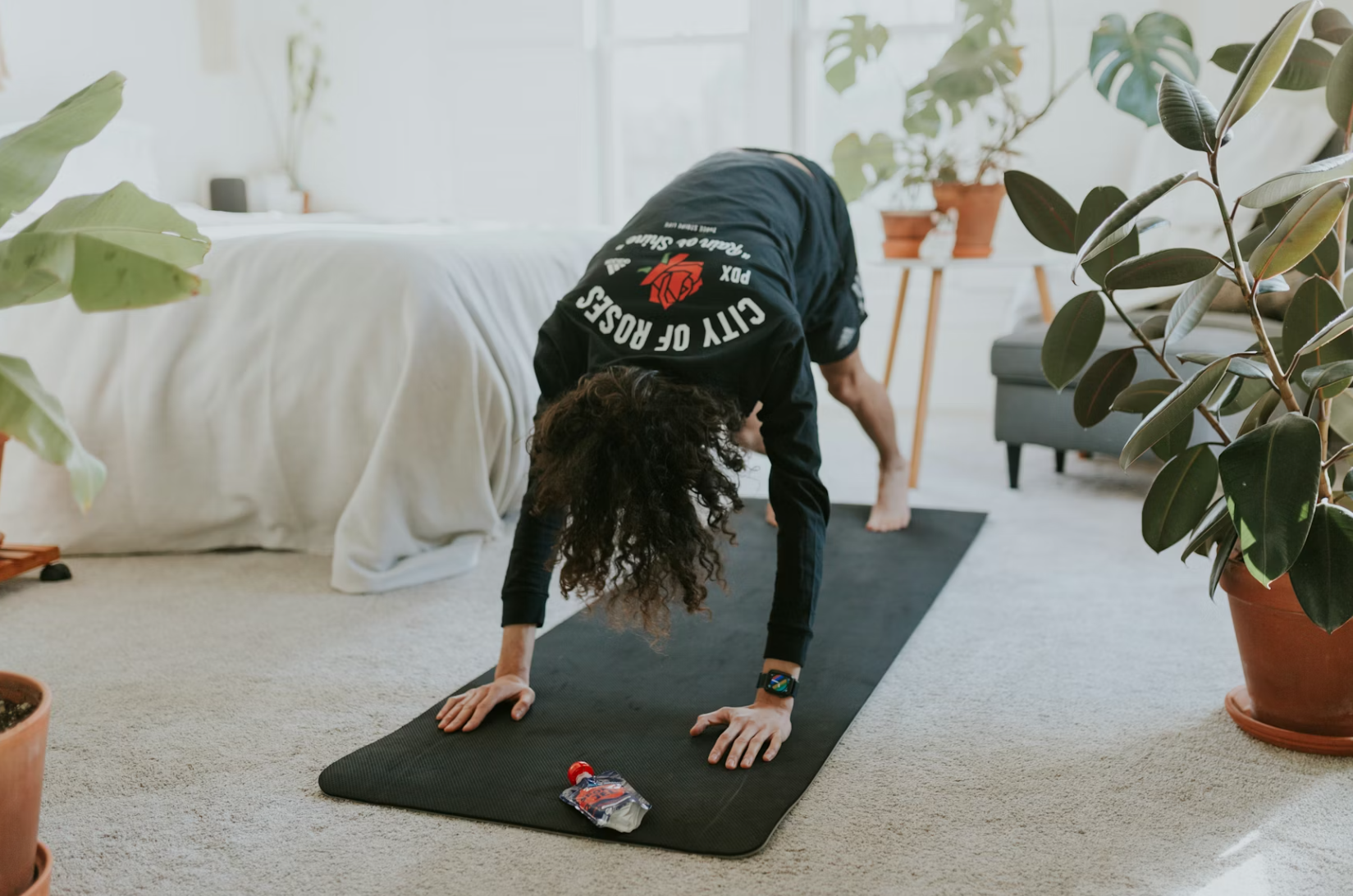
A good mat can make stretching, yoga, Pilates, floor workouts, and mobility routines more comfortable. The right choice depends on how you use it.
For yoga, grip is often the priority. A slippery mat can interrupt poses and create frustration. For Pilates or floor workouts, cushioning may matter more, especially for knees, hips, and spine comfort. For high-sweat workouts, easy cleaning and moisture resistance become more important.
Compare thickness, grip, material, weight, size, texture, odor, cleaning instructions, and portability. A thicker mat can feel supportive, but it may reduce stability during balance poses. A thinner mat may feel more grounded but less cushioned.
Common mistake: choosing the thickest mat automatically. More padding is not always better if it makes you feel unstable.
Home Cardio Equipment
Cardio machines can be useful, but they deserve careful comparison because they take up space and usually cost more than smaller fitness tools. Popular options include treadmills, exercise bikes, rowing machines, ellipticals, and walking pads.
Before choosing, think about your space, noise tolerance, preferred movement style, joint comfort, storage needs, and whether you enjoy the activity enough to repeat it. A machine is only valuable if it becomes part of your routine.
Compare footprint, maximum user weight, motor power for treadmills, resistance levels, screen features, foldability, noise, assembly requirements, warranty, and maintenance needs. For apartments, noise and floor vibration may be just as important as workout features.
Common mistake: buying a large machine based on motivation instead of lifestyle fit. If you dislike running, a treadmill may not transform your routine simply because it is convenient.
Workout Apparel
Workout apparel should support movement, comfort, and confidence. It does not need to be expensive, but it should suit the type of activity you do.
For high-intensity workouts, moisture-wicking fabrics, secure waistbands, breathable panels, and stretch recovery matter. For yoga or Pilates, softness, flexibility, and opacity are important. For walking or casual fitness, comfort and layering may be more relevant than technical performance.
Compare fabric, seams, waistband structure, compression level, transparency, pocket placement, wash care, and fit across different movements. A pair of leggings may feel fine while standing but slip during squats or roll during a workout. A shirt may look polished but trap heat once you start moving.
Common mistake: judging workout clothes only by appearance. Movement testing is the real test.
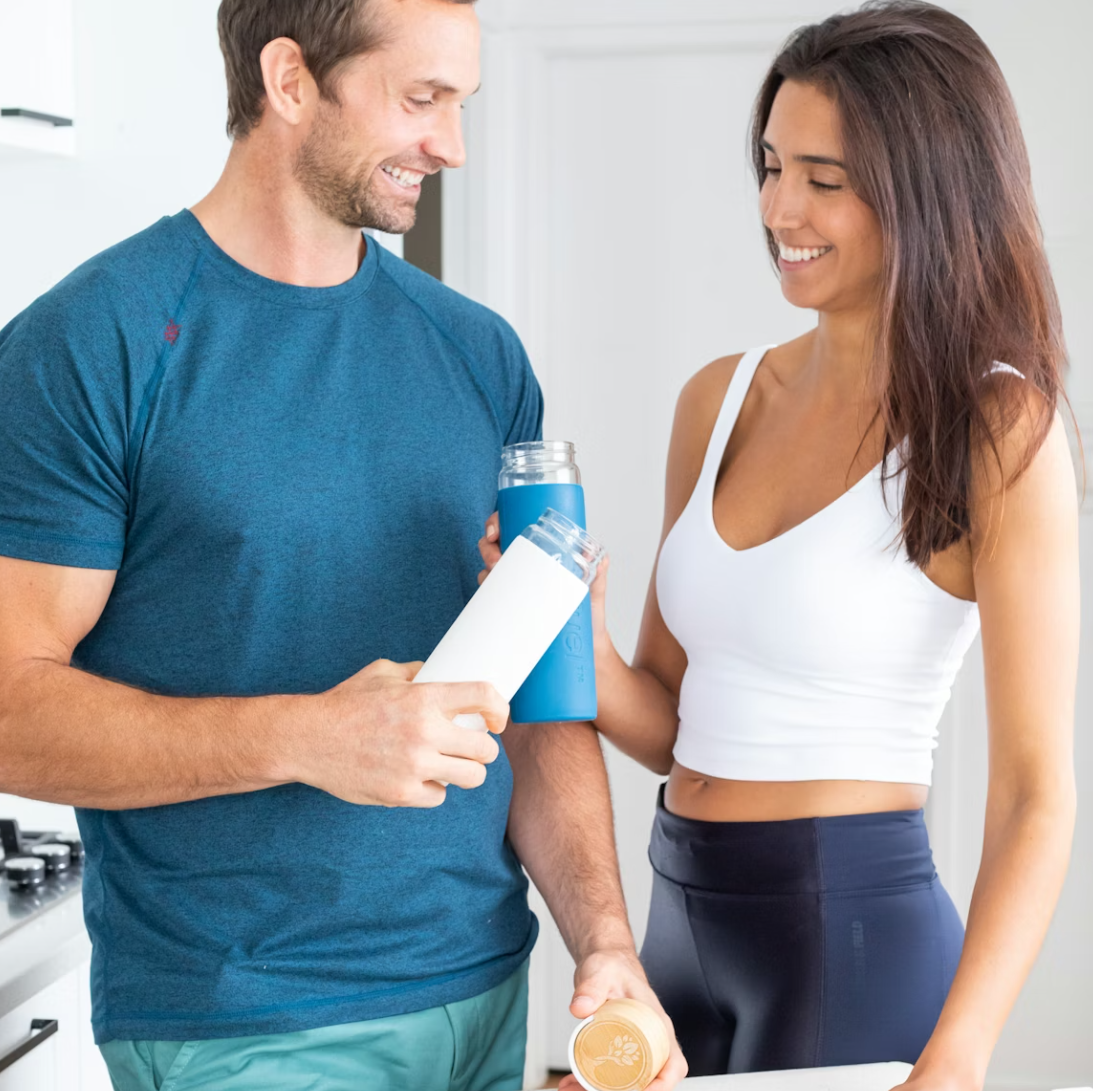
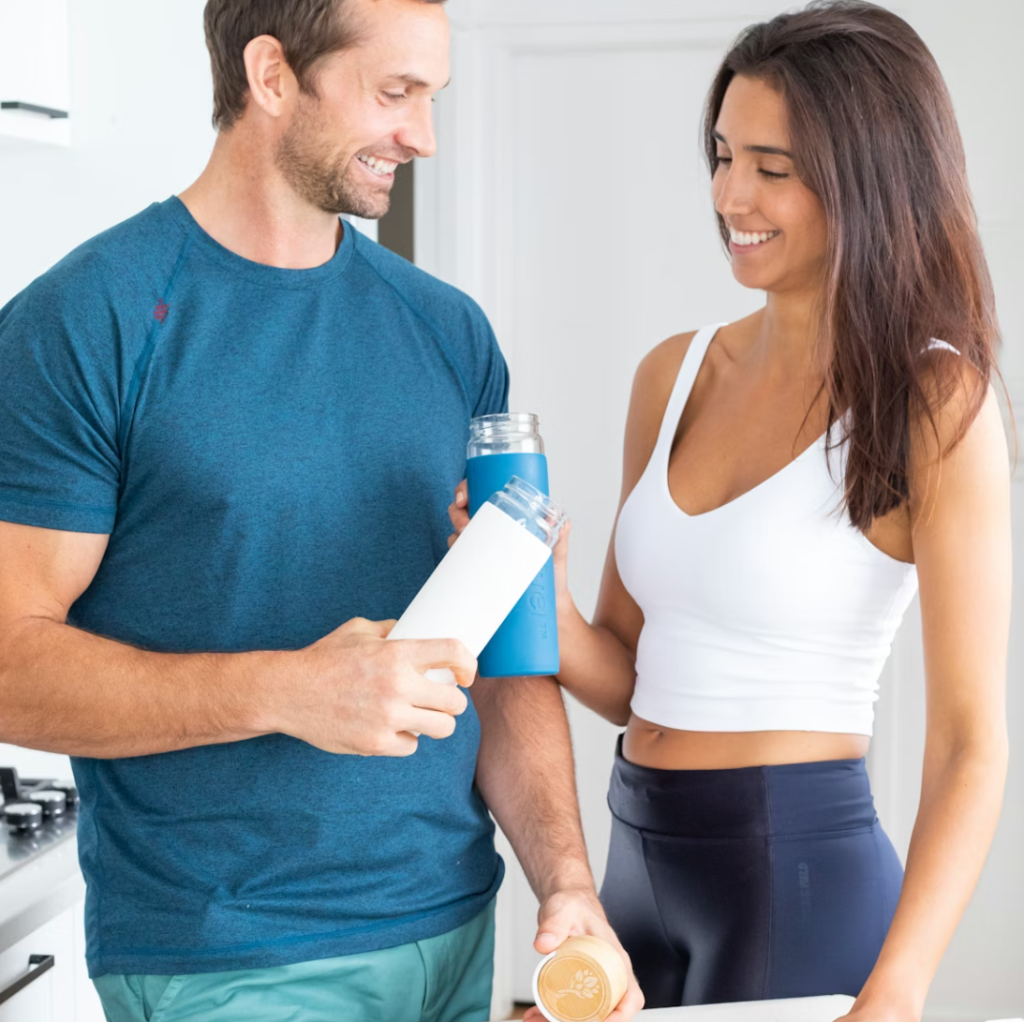
Water Bottles and Hydration Gear
A water bottle seems simple, but the wrong one can be inconvenient enough that you stop using it. Hydration gear should fit your daily rhythm.
Compare size, weight, lid type, leak resistance, insulation, cleaning ease, cup holder compatibility, handle design, and whether it is dishwasher safe. A large bottle can be useful for long days, but it may be heavy and awkward for commuting. A smaller bottle may be easier to carry but require frequent refills.
For gym use, one-handed opening may be helpful. For travel, leak resistance is essential. For hot climates or outdoor workouts, insulation can be worthwhile.
Common mistake: buying a bottle that is too large for your bag, car, or routine.
Recovery Tools
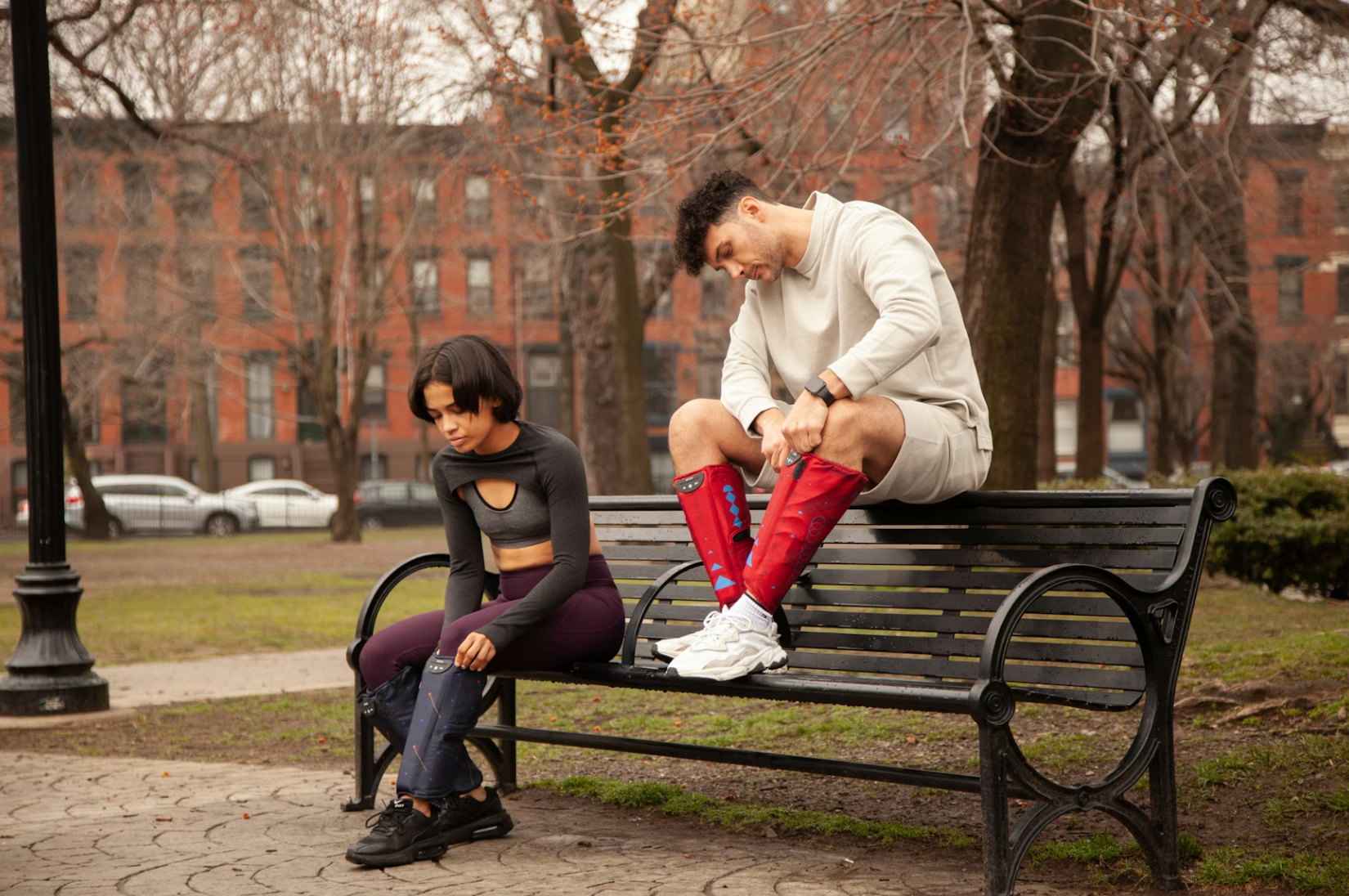
Recovery products have become increasingly popular, from foam rollers and massage balls to stretching straps, compression tools, and massage devices. These products can support relaxation and mobility routines, but expectations should stay realistic.
A foam roller can be useful for general self-massage and warm-up routines. A massage ball can target smaller areas like feet or shoulders. Massage devices may offer convenience, but they vary in power, attachments, battery life, noise, and comfort.
Compare intensity levels, ease of use, size, portability, cleaning, battery performance, and whether the tool suits your comfort level. Recovery tools should feel helpful, not punishing. More pressure is not always better.
Common mistake: buying advanced recovery devices before developing basic habits like rest, stretching, hydration, and consistent movement.
Jump Ropes
Jump ropes are compact, affordable, and effective for coordination and conditioning, but they are not all the same. Speed ropes are often lightweight and designed for fast rotations. Weighted ropes add more upper-body involvement. Beaded ropes can be easier for beginners to control.
Compare rope length, handle grip, cable material, adjustability, weight, bearing quality, and surface compatibility. If you plan to use a rope indoors, also consider ceiling height and flooring.
Common mistake: choosing a rope that is too long or too short. Proper sizing makes the movement smoother and safer.
Gym Bags and Fitness Organizers
A good gym bag can make fitness feel easier because it keeps essentials in one place. This is especially useful if you work out before work, after work, or during travel.
Compare compartments, shoe storage, wet item sections, strap comfort, size, material, zippers, and whether the bag fits your locker or commute. For some people, a simple tote is enough. Others may need a structured duffel with separate storage for clothes, shoes, toiletries, and tech.
Common mistake: buying a bag that looks stylish but lacks practical organization.
Kitchen and Nutrition Support Tools
Health and fitness shopping is not limited to exercise gear. Kitchen tools can support better routines when they make meal preparation easier. Examples include food storage containers, blender bottles, lunch bags, digital kitchen scales, and simple meal prep accessories.
Compare ease of cleaning, material safety, portion practicality, leak resistance, storage space, and whether the product fits your eating habits. A blender bottle may be useful if you regularly mix drinks, but unnecessary if you prefer whole-food snacks. Meal prep containers may help with planning, but only if they are easy to wash and store.
Common mistake: buying nutrition tools with unrealistic plans attached. The best tools support habits you are ready to maintain.
How to Compare Products Like a Smart Shopper
Start with your actual routine. Before reading product descriptions, ask where, when, and how you will use the item. A compact product may be better for a small apartment. A durable product may matter more if you use it daily. A beginner-friendly design may be more valuable than advanced features.
Next, compare the practical details. Materials, fit, size, weight, cleaning needs, storage, warranty, and compatibility often matter more than trendy design. Read product information carefully, but do not rely on marketing language alone.
Then consider long-term value. A cheaper item is not always the better deal if it wears out quickly or feels uncomfortable. At the same time, a premium product is not automatically necessary if a simpler option meets your needs.
Finally, check the return policy. Health and fitness products are personal. Fit, comfort, noise, grip, and usability can be hard to judge from photos. A fair return window can reduce risk.
Common Mistakes to Avoid Before Buying
One of the biggest mistakes is buying for an ideal version of your routine instead of your real one. It is easy to imagine daily workouts with a full set of gear, but the best purchase usually supports habits you are already building.
Another mistake is ignoring space. Home fitness products need somewhere to live. If setup and storage are annoying, the product may become visual clutter.
Shoppers also tend to overvalue features. A smartwatch with advanced data may sound impressive, but if you only check steps and sleep, a simpler model may serve you better. A gym bag with many pockets may be useful, but not if it becomes bulky and uncomfortable.
It is also wise to avoid extreme claims. Products can support fitness habits, but they do not replace consistency, rest, balanced nutrition, or professional guidance when needed.
What Is Worth Spending More On
Some products deserve a little extra budget because comfort, durability, and safety matter. Shoes, mats, adjustable weights, and frequently used cardio equipment are good examples. If a product touches your body, supports movement, or carries weight, quality can make a noticeable difference.
Spending more may also be reasonable when the product solves a specific problem. For example, a quieter walking pad may be worth it in an apartment. A better-grip yoga mat may be worth it if your hands slip during practice. A more comfortable pair of training shoes may be worth it if it keeps you consistent.
What You Can Keep Simple
Not every fitness product needs to be premium. Many basics can be affordable and effective. Resistance bands, jump ropes, water bottles, gym towels, storage bins, and simple meal prep containers can often be chosen based on practical quality rather than luxury branding.
The key is to avoid confusing simple with low quality. A basic product should still be safe, comfortable, and durable enough for its purpose.
Final Takeaway
Health and fitness products are worth comparing because the right choice can make healthy routines feel easier, smoother, and more enjoyable. The wrong choice, even if it looks impressive, can add friction. A mat that slips, shoes that ache, a tracker you never charge, or a machine that takes over your living room can all turn motivation into inconvenience.
The smartest buying approach is calm and realistic. Start with your routine, compare the details that affect everyday use, and choose products that support consistency rather than fantasy. Fitness is not built by owning more gear. It is built by using the right tools often enough that they quietly become part of your life.
Conclusion
Before buying health and fitness products, take time to compare how each option fits your body, space, habits, and goals. Look beyond polished photos and focus on comfort, usability, durability, maintenance, and long-term value. The best products do not need to promise a transformation. They simply help you move, recover, organize, hydrate, or prepare with less resistance. That is where smart shopping becomes a quiet advantage.
Frequently Asked Questions
What health and fitness products should beginners compare first?
Beginners should usually compare products that directly affect comfort and consistency, such as shoes, exercise mats, resistance bands, water bottles, and simple strength tools. These items are approachable, versatile, and useful across many routines.
Are expensive fitness products always better?
Not always. Higher-priced products may offer better materials, durability, or features, but the best choice depends on your needs. A simple, well-made product that you use often is usually more valuable than an expensive item that does not fit your routine.
How do I know if a fitness product is worth buying?
A product is worth considering if it solves a real problem, fits your space, matches your activity level, feels comfortable to use, and is likely to become part of your regular routine. It should support your habits rather than create extra complexity.
Should I buy fitness equipment for home or go to a gym?
That depends on your lifestyle. Home equipment is convenient and private, but it requires space and self-motivation. A gym offers variety and equipment access, but it requires travel and membership costs. Some people benefit from a mix of both.
What should I avoid when shopping for fitness products online?
Avoid relying only on product photos, exaggerated claims, or trendy features. Check sizing, materials, return policies, maintenance needs, and real use cases. It is also wise to avoid buying too many products before you know which routines you enjoy.
You May Also Like
Recovery Tools for Fitness: Are They Actually Useful?
Yoga Equipment for Beginners: What Do You Really Need?