Smart Home Devices: What Should You Buy First?
A smart home sounds exciting until you stand in front of the endless options. Smart speakers, video doorbells, robot vacuums, smart lights, plugs, thermostats, security cameras, sensors, displays, locks, hubs, appliances, and Wi-Fi gadgets all promise to make daily life easier. The problem is not that there are too few choices. The problem is that there are too many.
For many shoppers, the first smart home purchase happens after one small frustration becomes impossible to ignore. Maybe you keep forgetting whether you turned off a lamp. Maybe packages sit outside your door while you are away. Maybe your bedroom is too dark in the morning, your living room has too many remotes, or your electricity bill makes you wonder where all the power is going. A smart home should begin there, with a real household problem, not with the most impressive device on a product page.
The best first smart home device is not always the most expensive or advanced one. It is the device you will use every day, understand easily, and build from comfortably. A smart home works best when it grows like a well-designed room: one useful piece at a time, each addition making the whole space feel more natural.
This guide will help you decide what to buy first, what can wait, and how to avoid the common mistakes that make smart home setups feel more complicated than convenient.
Start With Your Daily Routine, Not the Technology
Before buying anything, look at your day from morning to night. Smart home devices are most valuable when they remove small repeated annoyances.
Think about the moments that make you pause. Do you walk around turning off lights before bed? Do you worry about deliveries? Do you want music in the kitchen without touching your phone? Do you want your home to feel occupied when you are traveling? Do you want a cooler room before you arrive home? These answers matter more than technical specifications at the beginning.
A smart home should feel like a quiet assistant, not a new hobby you are forced to manage. The first device should solve one clear need. If you begin with something too complex, you may spend more time adjusting settings than enjoying the benefit.
For most beginners, the best starting categories are smart speakers or displays, smart plugs, smart lighting, video doorbells, and basic security cameras. Each offers an easy way to experience smart home convenience without redesigning your entire house.
Smart Speakers and Displays: The Most Flexible Starting Point
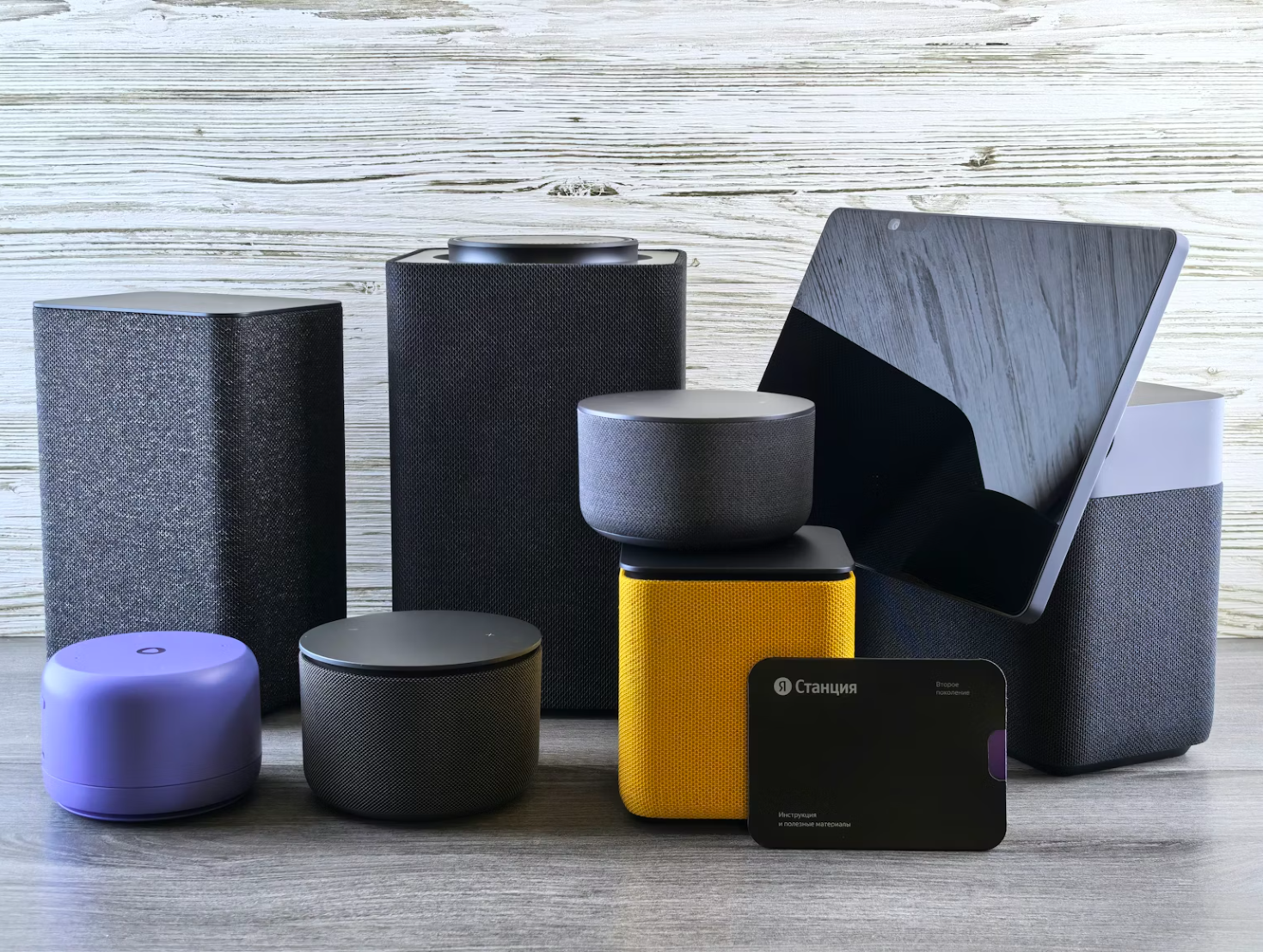
A smart speaker or smart display is often the easiest first purchase because it becomes the control center for other devices later. It lets you use voice commands, play music, set timers, check the weather, manage reminders, and control compatible smart home products.
If you are new to smart devices, this category is appealing because it does not require major installation. You plug it in, connect it to Wi-Fi, and use an app to complete setup. Within minutes, it can become useful even before you buy any other smart home product.
A smart speaker is ideal if you want simple voice control and audio. A smart display is better if you like seeing visual information, such as recipes, calendars, camera feeds, video calls, or shopping lists. In a kitchen, a display can be especially useful because it lets you view information while your hands are busy.
The main consideration is ecosystem choice. Many smart home products are designed to work with major voice assistants and platforms, but not all devices support every system equally. Before buying, check whether your preferred devices work with the platform you plan to use. This can save frustration later.
A smart speaker or display is not essential for every home, but it is a strong first step for people who want a central point of control. It is less ideal if you dislike voice assistants, prefer privacy-first minimalism, or only want one very specific function such as controlling a lamp.
Smart Plugs: The Simplest Way to Make Ordinary Items Smarter
If you want the easiest and lowest-commitment entry into smart home living, smart plugs are hard to beat. They turn regular plug-in devices into app-controlled or voice-controlled devices.
A smart plug can work with a lamp, fan, coffee maker, decorative lights, humidifier, or other suitable appliance. It allows you to turn power on or off from your phone, schedule operation, or connect the device to a routine.
The beauty of a smart plug is its simplicity. You do not need to replace the product you already own. You simply add a smart layer between the outlet and the device. For renters, small apartments, dorm rooms, and first-time smart home users, this is often the most practical starting point.
Smart plugs are especially helpful for lamps. Instead of buying smart bulbs for every fixture, you can use one smart plug to control a floor lamp or bedside lamp. They are also useful for holiday lights, fans, and devices you want to schedule.
However, smart plugs are not suitable for every appliance. Avoid using them with devices that require careful power management, have safety concerns, or should not be turned on unattended. Always check the power rating and the appliance instructions.
If your main goal is convenience at a low cost, buy a smart plug first. It gives you a quick taste of smart home control without requiring a big commitment.
Smart Lighting: A Daily Upgrade You Will Actually Notice
Lighting has a powerful effect on how a home feels. It changes the mood of a room, supports routines, and can make everyday spaces feel more polished. That is why smart lighting is one of the most satisfying early smart home upgrades.
Smart bulbs can be controlled through an app, voice assistant, or automation. You can dim lights, change color temperature, schedule lights to turn on at sunset, or create different scenes for reading, relaxing, cooking, and watching movies.
The most useful smart lighting feature is not necessarily color. Many shoppers are drawn to colorful bulbs, but everyday convenience often comes from dimming and warm-to-cool white adjustment. A bright white light may work well for morning tasks, while a softer warm light feels better in the evening.
Smart lighting is also helpful for safety and comfort. You can set hallway lights to turn on at night, create a gentle wake-up routine, or make your home look occupied when you are away.
There are two common approaches: smart bulbs and smart switches. Smart bulbs are easier to install and better for lamps or single fixtures. Smart switches are better when you want to control multiple lights from the wall, but they may require installation knowledge and compatibility checks.
For beginners, start with one room. A bedroom, living room, or home office is usually the best place to begin. If you enjoy the change, you can expand gradually.
Video Doorbells: Best First Buy for Entryway Awareness
A video doorbell is a strong first smart home device if your main concern is knowing who is at the door. It can help you see visitors, monitor deliveries, and answer the door remotely depending on the model and setup.
For people who receive frequent packages, live in a house, or have an entrance that is not easily visible from inside, a video doorbell can be more useful than a smart speaker or smart bulb. It adds awareness to a part of the home that often creates uncertainty.
Before buying, look carefully at installation requirements. Some video doorbells are battery-powered, while others connect to existing doorbell wiring. Battery models are often easier for renters or beginners, but they require charging. Wired models may offer more consistent power but can involve more setup.
Also consider whether certain features require a subscription. Many doorbells offer live view, motion alerts, or basic notifications, but cloud recording, longer video history, advanced detection, and package alerts may depend on a paid plan. This does not make the device bad, but it should be part of your buying decision.
A video doorbell is a smart first choice if entryway visibility matters to you. It is less necessary if you live in a building where exterior installation is not allowed or if your front door area is already monitored by building security.
Smart Security Cameras: Useful, But Choose Carefully
Smart security cameras can provide peace of mind, but they should be chosen with care. A camera is not just another gadget. It records spaces, movement, and sometimes audio, so privacy and placement matter.
Indoor cameras can help monitor pets, check on common areas, or keep an eye on a room while you are away. Outdoor cameras can monitor driveways, patios, side entrances, or backyards. Some cameras include motion alerts, night vision, two-way audio, and person detection.
The first question is location. What exactly do you want to see? A wide view of the living room? A side gate? A garage? A pet area? Buying a camera without knowing its purpose often leads to poor placement and disappointing results.
The second question is storage. Some cameras store clips locally, while others use cloud storage. Some offer basic features without a subscription, while others reserve important tools for paid plans. Check this before buying so you understand the real long-term cost.
The third question is privacy. Avoid placing cameras in bedrooms, bathrooms, or spaces where guests would reasonably expect privacy. Use strong passwords, enable two-factor authentication when available, and keep device software updated.
A camera can be a good first purchase for security-minded households, but it is not the best starter device for everyone. If your goal is comfort or convenience, lighting or plugs may provide more daily satisfaction.
Smart Thermostats: A Strong Upgrade for the Right Home
A smart thermostat can be a valuable device if you want better control over heating and cooling. It can help schedule temperature changes, adjust settings remotely, and create a more comfortable home environment.
This category is especially useful for people with predictable routines or larger homes where climate control affects comfort and utility use. Being able to cool a room before arriving home or reduce unnecessary heating and cooling while away can feel practical and modern.
However, smart thermostats require more compatibility checking than many beginner devices. Heating and cooling systems vary, and not every thermostat works with every setup. Some installations are simple, while others may require professional help.
If you own your home and use heating or cooling often, a smart thermostat may be worth considering early. If you rent, live in a small apartment, or rarely adjust your temperature controls, it may not be the best first purchase.
Smart Locks: Convenient, But Not Always the First Step
Smart locks can be incredibly convenient. They can allow keyless entry, temporary access codes, and remote locking depending on the model. For families, guests, cleaners, or short-term access needs, this can be very useful.
Still, smart locks are not always the best first smart home device. They involve your home’s physical security, so reliability matters more than novelty. You need to consider battery life, backup access, door compatibility, installation quality, and whether remote features require an extra hub or bridge.
A smart lock makes sense if you often share access, forget keys, manage guest entry, or want more flexible door control. It is less urgent if your current lock works well and you do not have a clear reason to change it.
For many beginners, it is wiser to start with smart lighting, plugs, or a doorbell before moving to a smart lock. Once you understand your preferred ecosystem and app habits, choosing a lock becomes easier.
Robot Vacuums: A Lifestyle Upgrade, Not a Control Center
A robot vacuum is one of the most popular smart home devices because the benefit is easy to understand: cleaner floors with less daily effort. For busy households, pet owners, and people who dislike frequent vacuuming, it can be a meaningful upgrade.
However, it is not always the best first smart home purchase because it solves a specific cleaning problem rather than helping you build a connected home. It may work mostly on its own, which is convenient, but it does not teach you much about smart home routines or device ecosystems.
Before buying, consider your floor type, home layout, obstacles, pet hair, rugs, thresholds, and whether you need mopping features. A simple model may be enough for small apartments, while larger homes may benefit from mapping, room selection, stronger suction, and self-emptying docks.
A robot vacuum is a great first device if cleaning is your biggest daily pain point. It is less ideal if you mainly want lighting control, security, or voice automation.
How to Choose Your First Smart Home Device
The smartest first purchase is the one that matches your strongest need. If you want basic convenience, choose a smart plug. If you want a central controller, choose a smart speaker or display. If you want atmosphere and comfort, choose smart lighting. If you worry about visitors or deliveries, choose a video doorbell. If security is your focus, choose a camera. If cleaning is the issue, consider a robot vacuum.
Also consider your home type. Renters may prefer plug-in devices, bulbs, speakers, and battery-powered options. Homeowners may have more freedom to install doorbells, thermostats, switches, locks, and outdoor cameras.
Budget matters too, but think beyond the purchase price. Some devices may require subscriptions, hubs, accessories, batteries, installation tools, or compatible platforms. A low-cost device can become less attractive if the features you want are locked behind ongoing fees.
Compatibility is another key factor. Before you buy, check whether the device works with your phone, Wi-Fi network, preferred voice assistant, and any smart home platform you plan to use. A smart home is more enjoyable when devices work together instead of living in separate apps.
Common Mistakes to Avoid
The first mistake is buying too many devices at once. A smart home is easier to understand when you build it slowly. Start with one or two devices, learn how they work, and then expand based on actual use.
The second mistake is choosing products only because they are on sale. A discount is useful only if the device fits your needs. A poorly matched gadget can become clutter, even if it was affordable.
The third mistake is ignoring subscriptions. Some smart cameras, doorbells, and security systems offer their best features through paid plans. Check the free features and the paid features before buying.
The fourth mistake is overlooking Wi-Fi strength. Smart devices need reliable connectivity. If your home has weak signal in certain rooms, a device may feel unreliable even if the product itself is good. In that case, improving your network may be the better first step.
The fifth mistake is focusing only on novelty. Color-changing lights, voice commands, and app controls are fun, but the best smart home devices quietly make life smoother. Choose usefulness over excitement.
A Practical First-Purchase Roadmap
If you are still unsure, here is a simple way to think about the order.
Start with a smart speaker or display if you want a central assistant for music, reminders, timers, and future device control. Start with smart plugs if you want the easiest and most affordable taste of automation. Start with smart lighting if you want an immediate improvement in comfort and atmosphere.
After that, consider a video doorbell or camera if you want better awareness around your home. Then explore deeper upgrades such as thermostats, locks, robot vacuums, sensors, and smart switches.
This order is not a rule. It is a practical path for avoiding overwhelm. The goal is not to make your home look futuristic overnight. The goal is to make everyday living feel slightly easier, safer, and more comfortable.
What Matters Most Before You Buy
A good smart home device should be easy to set up, reliable in daily use, compatible with your preferred ecosystem, and useful without constant attention. It should solve a real problem, not create a new one.
Look for clear app controls, sensible privacy settings, and straightforward installation. Read product details carefully, especially around compatibility, power source, subscription requirements, and whether the device needs a hub.
Also think about who else lives in the home. A device that only one person understands may become annoying for everyone else. The best smart home setup feels intuitive to the whole household. Light switches should still make sense. Guests should not need a tutorial. Family members should not feel locked out of basic functions.
A smart home is not about replacing common sense with technology. It is about adding thoughtful convenience where it genuinely helps.
Conclusion
The best smart home device to buy first depends on the problem you want to solve. For most beginners, a smart speaker, smart plug, or smart lighting product offers the easiest and most satisfying start. For security-focused shoppers, a video doorbell or camera may be more useful. For comfort, a smart thermostat can be a strong upgrade when compatible. For cleaning, a robot vacuum may bring the most noticeable lifestyle benefit.
The key is to begin small. Choose one device that fits your routine, your home, and your comfort level. Learn how it works, see whether it genuinely improves your day, and then build from there. A smart home should not feel like a complicated technology project. Done well, it should feel like your home quietly paying better attention.
FAQs
What is the best smart home device for beginners?
For most beginners, a smart plug, smart speaker, or smart bulb is the easiest place to start. These devices are usually simple to set up, affordable compared with larger systems, and useful in everyday routines. They also help you understand how app control, voice commands, and scheduling work before you invest in more advanced devices.
Should I buy a smart speaker before other smart home devices?
A smart speaker is a good first purchase if you want voice control, music, reminders, timers, and a central way to manage future smart devices. However, it is not required. If you only want to control one lamp or schedule a fan, a smart plug may be a simpler first step.
Are smart home devices worth it for renters?
Yes, many smart home devices are renter-friendly. Smart plugs, smart bulbs, smart speakers, indoor cameras, and some battery-powered doorbells can often be used without permanent installation. Renters should avoid hardwired or structural changes unless allowed by the landlord or building rules.
Do smart home devices require subscriptions?
Some do, but not all. Smart plugs, bulbs, speakers, and basic automation devices often work without monthly fees. Cameras, doorbells, and security systems are more likely to offer optional subscriptions for video history, advanced alerts, or cloud storage. Always check subscription details before buying.
How many smart home devices should I buy at first?
Start with one or two devices. This gives you time to learn the app, test reliability, and decide whether the device truly improves your routine. Buying too many devices at once can make setup confusing and may lead to compatibility issues or unused gadgets.


You May Also Like

How to Choose Smart Gadgets for Home and Daily Use

Must-Have Digital Tools for a More Organized Life