How to Create a Cozy Living Space Without Spending Too Much
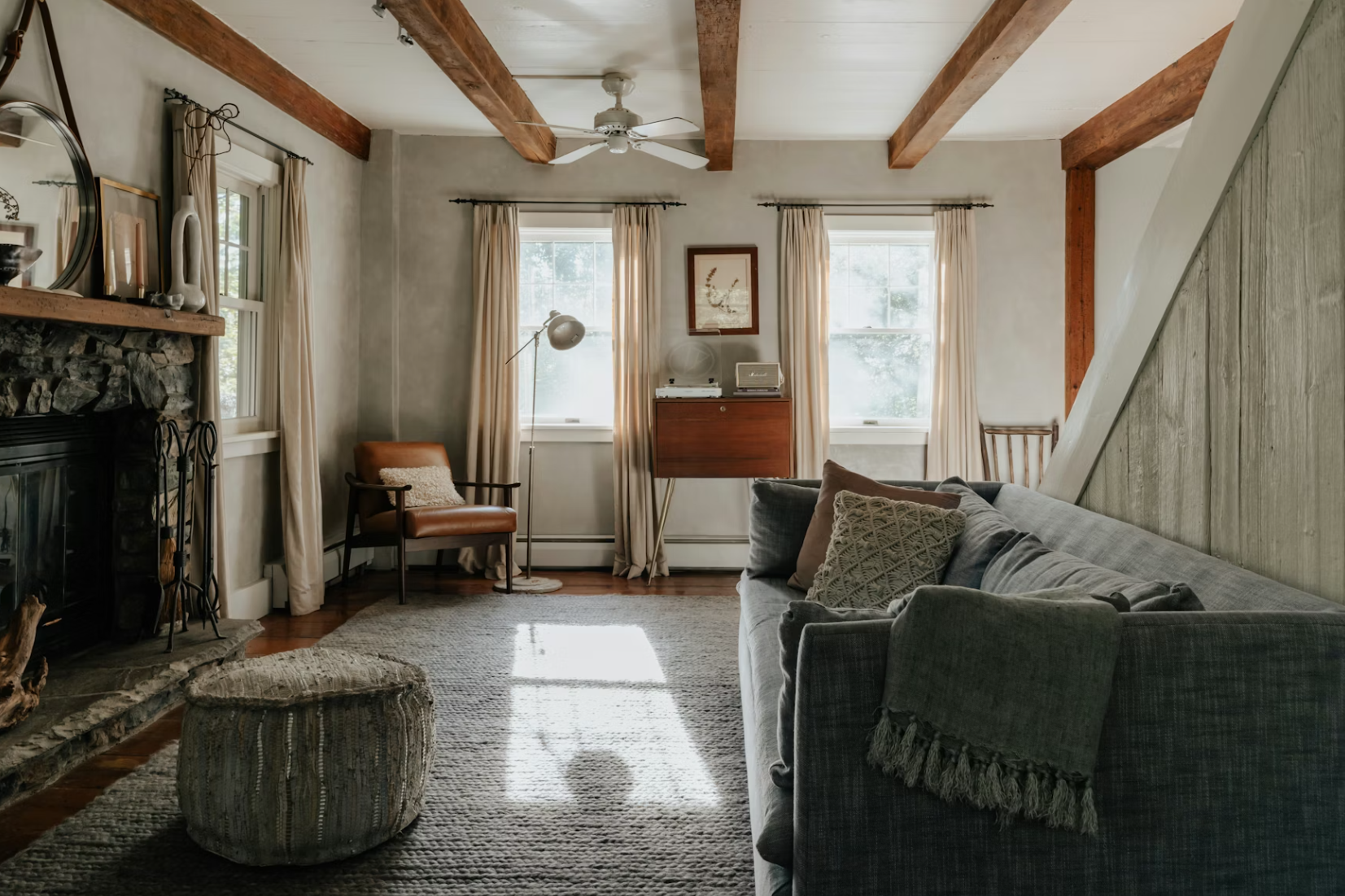
A cozy living space does not begin with a large budget. It begins with the quiet feeling you get when you walk through the door and your home seems to exhale with you. The lighting feels soft. The sofa looks inviting. The corners do not feel forgotten. Your favorite mug has a place, your blanket is within reach, and the room feels less like a showroom and more like a gentle landing place after a long day.
Many people assume that creating this kind of atmosphere requires new furniture, designer décor, or a complete room makeover. In reality, coziness is often built through small decisions: the way you arrange furniture, the textures you layer, the colors you repeat, the clutter you remove, and the objects you choose to keep visible. A home can feel warm, personal, and stylish without becoming expensive.
The secret is not to buy more. It is to buy more thoughtfully, rearrange what you already own, and understand which details create comfort. When you know what matters, you can spend less and still create a living space that feels considered, calm, and beautifully lived in.
Start With the Feeling You Want
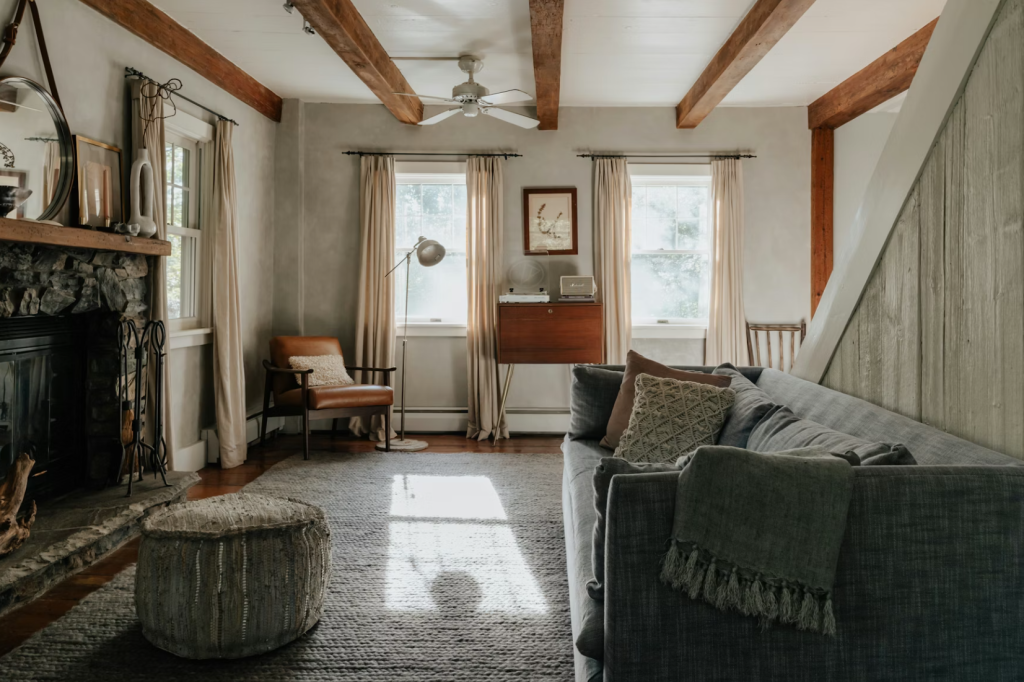
Before you buy a single cushion or move a chair, think about how you want the room to feel. Cozy does not mean the same thing for everyone. For some people, it means soft blankets, warm lighting, and deep earthy colors. For others, it means a clean, airy room with pale neutrals, natural wood, and a few meaningful accents.
Ask yourself what you want to do in the space. Will you read there in the evening? Watch movies with family? Drink coffee in the morning? Work from the sofa sometimes? Host friends on weekends? A cozy living space should support your real life, not a fantasy version of it.
This step helps prevent impulse buying. Without a clear direction, it is easy to purchase random décor pieces that look nice in a store but do not work together at home. A room becomes cozy when the details feel connected. A warm throw, a soft lamp, a wooden tray, and a few framed prints can feel intentional when they share a mood, color family, or purpose.
Rearrange Before You Replace
One of the most overlooked ways to improve a living space costs nothing at all: change the layout. Furniture placement can make a room feel either welcoming or awkward. If everything is pushed against the walls, the space may feel empty in the middle. If chairs are too far apart, conversation feels unnatural. If the coffee table is difficult to reach, the room may look fine but feel inconvenient.
Try pulling seating slightly closer together. Angle a chair toward the sofa. Place a side table near the spot where someone naturally sets down a drink. Create a clear walking path so the room feels easy to use. A cozy space usually has a sense of invitation. The furniture should quietly say, sit here, stay awhile.
If your living room feels cold, consider whether the main seating area is too spread out. If it feels cramped, remove one unnecessary piece. Sometimes the most stylish improvement is editing. A room with fewer items, arranged well, often feels more expensive than a crowded room filled with things that do not serve a purpose.
Use Lighting Like a Mood Setter
Lighting has a powerful effect on atmosphere. Bright overhead lighting can make a room feel practical but rarely cozy. It flattens the space and can make even beautiful furniture feel harsh. Softer, layered lighting creates depth and warmth.
You do not need expensive fixtures to transform a room. A simple floor lamp beside a chair, a table lamp on a console, or a small lamp on a shelf can change the entire feeling of the space. Look for warm white bulbs rather than cool white ones. Warm light gives a room a softer glow, especially in the evening.
Think in layers. Overhead lighting is useful when cleaning or organizing, but lamps are better for relaxing. A reading corner might need a direct light source. A TV area may benefit from a gentle lamp placed behind or beside the screen to reduce contrast. A dark corner can become inviting with one small light.
Candles can also add warmth, though they should be used safely and never left unattended. Battery-operated candles can create a similar effect with less concern. The goal is not dramatic lighting. It is a room that feels gentle on the eyes.
Layer Texture Instead of Buying More Furniture
Texture is one of the easiest ways to make a space feel cozy without spending too much. A room filled with flat, smooth surfaces can feel plain even if the furniture is nice. Add softness, contrast, and touchable materials, and the room becomes more inviting.
Start with items that are affordable and easy to change: throws, cushion covers, curtains, rugs, baskets, and fabric lampshades. A knit blanket over the arm of a sofa, a linen cushion, a woven basket for storage, or a cotton rug can add warmth without overwhelming the room.
The key is balance. You do not need every texture at once. Choose two or three that work well together. For example, a soft cotton throw, a woven basket, and a warm wood tray can make a simple room feel layered. If your space already has a lot of pattern, use solid colors in different textures. If your space feels too plain, add a subtle pattern through cushions or a rug.
Texture gives the eye somewhere to rest. It also makes a room feel more human. A perfectly smooth space may look polished, but a textured space feels lived in.
Choose a Calm Color Palette
Color can make a room feel cozy, but it does not have to be dark or dramatic. Warm neutrals, soft greens, muted blues, clay tones, gentle browns, creamy whites, and soft grays can all create comfort when used thoughtfully.
A good budget-friendly approach is to work with the largest items you already own. Look at your sofa, rug, curtains, and flooring. Instead of fighting them, build around them. If your sofa is gray, you might add cream, warm wood, and muted green. If your flooring has warm tones, repeat those tones in baskets, frames, or cushions. If your walls are white, soften them with beige, tan, olive, rust, or pale blue accents.
Repeating colors is one of the simplest ways to make a room look intentional. A cushion that picks up the color of a framed print, a tray that echoes the tone of a side table, or a throw that connects with the rug can bring harmony to the space.
Avoid buying décor in too many unrelated colors. Small pieces may seem harmless, but together they can make a room feel visually noisy. Cozy does not mean cluttered. It means comfortable, warm, and balanced.
Make the Sofa Feel More Inviting
In many living spaces, the sofa is the emotional center of the room. It is where people rest, talk, scroll, nap, watch movies, and gather. Making the sofa feel more inviting can change the mood of the entire room.
You do not need a new sofa unless your current one is truly uncomfortable or damaged beyond repair. Instead, refresh it with thoughtful layers. Cushion covers are often more affordable than buying entirely new cushions. Choose covers in fabrics that feel good to touch, such as cotton, linen blends, velvet, boucle-style textures, or soft woven materials.
Use cushions in different sizes rather than several identical ones. A mix of two larger cushions and one smaller accent cushion can feel relaxed but styled. Add a throw blanket, but avoid folding it too perfectly. A slightly casual drape feels more natural.
If your sofa looks tired, consider cleaning it, adjusting the cushions, adding a slipcover, or placing a textured throw over the seat or back. These small updates can make a familiar piece feel renewed.
Bring in Natural Elements
Natural materials have a quiet way of making a room feel grounded. Wood, rattan, bamboo, cotton, linen, stone, dried flowers, and plants can soften a space without making it feel overly decorated.
Plants are especially effective, but they do not need to be rare or expensive. A simple pothos, snake plant, peace lily, or small herb pot can add life to a room. If you do not have good light or do not want to maintain plants, realistic faux greenery or dried stems can still bring a natural shape into the space.
Wooden accents are another affordable option. A small wood tray, thrifted frame, secondhand side table, or simple bowl can warm up a room. Natural textures work well because they rarely feel trendy in a short-lived way. They age gracefully and pair easily with many styles.
The point is not to turn your living room into a nature display. It is to add a few organic details so the room feels less hard, less flat, and more connected.
Use Rugs to Define Comfort
A rug can make a living space feel warmer, softer, and more complete. It helps define the seating area and can make furniture feel connected rather than floating separately. However, rugs can also be expensive, so it is important to choose carefully.
If your budget is limited, look for flatweave rugs, washable rugs, seasonal sales, outlet options, or secondhand pieces in good condition. A simple neutral rug is often more flexible than a bold trendy one. It can move with you, adapt to different décor, and stay useful longer.
Size matters more than many shoppers realize. A rug that is too small can make the room feel disconnected. Ideally, at least the front legs of your sofa and chairs should sit on the rug. If a large rug is out of budget, layering a smaller decorative rug over a simple affordable base rug can sometimes create a fuller look.
Consider your lifestyle before choosing material. If you have pets, children, or frequent guests, durability and easy cleaning may matter more than a luxurious pile. A cozy room should not make you nervous to live in it.
Shop Your Home First
Before buying anything new, walk through your home and look for items that could be used differently. A bedroom throw might work beautifully in the living room. A ceramic bowl could become a key dish on the coffee table. A stack of books from your shelf could add height and personality to a side table. A framed print from another room might create a fresh focal point.
This approach helps you see your belongings with new eyes. It also makes your space feel more personal. A room filled only with new décor can sometimes feel generic. A room that includes objects with history, memory, or daily use feels warmer.
Try creating small arrangements with what you already own. Place a lamp, book, and small vase together. Add a tray to organize remotes and coasters. Move artwork lower if it feels disconnected from the furniture. Rearranging accessories can give the room a fresh look without spending anything.
Declutter With Comfort in Mind
Decluttering is often discussed as a minimalist practice, but it is also a cozy living practice. Clutter can make a room feel tense. When every surface is full, the eye has nowhere to rest. The space may be physically comfortable but visually tiring.
Start with the items that interrupt relaxation: tangled cables, unopened mail, random receipts, unused décor, too many blankets, broken items, or objects that belong in another room. Create simple homes for everyday things. A basket for throws, a tray for remotes, a box for chargers, and a small drawer for miscellaneous items can make a big difference.
Do not remove everything. A cozy home should not feel empty. Keep the pieces that add warmth, usefulness, or personal meaning. The goal is not perfection. It is ease. You want to be able to sit down without first clearing a space, reach for what you need, and enjoy the room without feeling surrounded by unfinished tasks.
Buy Secondhand With a Clear List
Secondhand shopping can be one of the smartest ways to create a cozy living space on a budget, but it works best with a plan. Thrift stores, online marketplaces, estate sales, and local resale groups can offer lamps, side tables, frames, baskets, books, mirrors, and décor at much lower prices than buying new.
The mistake is buying something just because it is inexpensive. A cheap item is not a good deal if it adds clutter or does not fit your space. Make a short list before you shop. You might look for a warm table lamp, a wooden tray, a large frame, or a side table with storage. Measure your space before buying furniture, even secondhand.
Focus on materials and shape. Solid wood, ceramic, glass, metal, and woven pieces often hold up well. Avoid items that require expensive repairs unless you enjoy DIY projects and understand the work involved.
Secondhand pieces can also add character. A slightly aged wood table or vintage lamp can make a room feel collected over time rather than purchased all at once.
Create Cozy Corners
You do not have to transform the entire room immediately. Sometimes one cozy corner is enough to change how you experience your home. A reading chair with a lamp, a soft cushion, and a small side table can become a personal retreat. A window area with a plant and a comfortable seat can become a morning coffee spot. A small floor cushion and basket of books can create a family-friendly nook.
Cozy corners work because they give the room purpose. They make comfort visible. Even if the rest of the space is simple, one thoughtful area can create a sense of warmth and intention.
Start with your habits. If you read, create a reading corner. If you drink tea in the evening, make a small tray station. If you like music, place a speaker near a comfortable chair. Design around what you actually do, not what looks impressive online.
Add Personal Details Without Overcrowding
A cozy space should feel like it belongs to you. Personal touches are what separate a warm home from a staged room. Family photos, travel keepsakes, favorite books, handmade ceramics, art prints, or objects from meaningful moments can all add emotional texture.
The key is editing. Too many small personal items spread across every surface can feel cluttered. Instead, group them intentionally. Create one shelf with framed photos and books. Place one meaningful object on a coffee table tray. Hang a small gallery of prints rather than scattering frames everywhere.
Personal style does not need to be expensive. A framed postcard, a printed photo, a pressed leaf, or a simple handwritten note in a frame can feel more meaningful than generic wall art. The best cozy rooms have a sense of identity. They tell a quiet story.
Know Where to Spend and Where to Save
Creating a cozy room on a budget does not mean choosing the cheapest option every time. It means spending where comfort and durability matter, and saving where trends or decorative changes are easy.
Spend more thoughtfully on items you use daily, such as a supportive sofa, a comfortable chair, good lighting, or a rug that can handle your lifestyle. Save on cushion covers, decorative trays, seasonal accents, baskets, and small art prints. These items are easier to change as your taste evolves.
Avoid spending too much on trendy pieces that may feel dated quickly. If you love a trend, try it in a small way first. A cushion cover in a fashionable color is safer than an expensive sofa in the same shade.
Also consider cost per use. A lamp you turn on every evening may be worth a little more than a decorative object you barely notice. A washable rug may be more valuable than a delicate one that makes you anxious. Smart spending is about supporting daily comfort.
Common Mistakes to Avoid
One common mistake is buying too many small décor items instead of solving the room’s main problem. If the lighting is harsh, more ornaments will not make the room cozy. If the layout is uncomfortable, new cushions will only help so much. Identify the real issue before shopping.
Another mistake is copying a style without considering your lifestyle. A pale cream room may look beautiful, but it may not be practical for a household with pets, young children, or frequent meals on the sofa. Cozy should feel usable, not fragile.
It is also easy to confuse coziness with clutter. More blankets, more candles, more cushions, and more accessories do not always create warmth. Sometimes they create visual weight. Leave breathing room on surfaces and allow some empty space.
Finally, avoid rushing the process. A cozy living space often develops over time. The most inviting rooms feel collected, not forced. Give yourself permission to make small improvements slowly.
A Simple Budget-Friendly Cozy Room Plan
If you are not sure where to begin, start with a practical sequence. First, declutter the room and remove anything that does not belong. Second, rearrange the furniture to create a more welcoming seating area. Third, improve the lighting with at least one warm lamp. Fourth, add texture through a throw, cushion covers, or a rug. Fifth, bring in one natural element, such as a plant, basket, or wooden accent. Sixth, add one personal detail that makes the space feel like yours.
This plan works because it starts with free changes before moving into low-cost purchases. It also focuses on atmosphere rather than decoration alone. A cozy living room is not defined by how much you buy. It is defined by how thoughtfully the room supports comfort, beauty, and daily life.
Conclusion
Creating a cozy living space without spending too much is less about following design rules and more about paying attention. Notice where the room feels cold, inconvenient, cluttered, or unfinished. Then make small, intentional changes that improve how the space feels and functions.
Warm lighting, soft texture, thoughtful layout, natural materials, and personal details can do more than expensive furniture when used well. A cozy room should welcome you in, support your routines, and reflect your life in a way that feels calm and authentic.
You do not need to complete everything in one weekend. Start with one corner, one lamp, one blanket, one better arrangement. Comfort grows through layers. With patience and a clear eye, even a modest living space can become the kind of room you look forward to coming home to.
FAQs
What is the cheapest way to make a living room feel cozy?
The cheapest way is to rearrange your furniture, remove clutter, and use warmer lighting. These changes can make the room feel more inviting without requiring major purchases. After that, add affordable texture with cushion covers, a throw blanket, or a woven basket.
Do I need to buy new furniture to create a cozy living space?
Not usually. Many rooms can feel much cozier with better layout, lighting, textiles, and organization. New furniture may help if your current pieces are uncomfortable or damaged, but it should not be the first step unless there is a clear need.
What colors make a living space feel warmer?
Warm neutrals, cream, beige, tan, soft brown, muted green, clay, rust, and gentle gold tones can all make a space feel warmer. You can also use soft blues or grays if you balance them with wood, woven textures, or warm lighting.
How can I make a small living room feel cozy but not crowded?
Choose fewer, more useful pieces and keep walking paths clear. Use vertical storage, smaller side tables, soft lighting, and a rug that defines the seating area. Avoid too many small accessories, which can make a compact room feel busy.
Are secondhand home décor items worth buying?
Yes, secondhand décor can be a smart way to save money and add character. Look for lamps, frames, baskets, side tables, mirrors, and solid wood pieces. Measure before buying and avoid items that need costly repairs unless you are prepared for the project.


You May Also Like
Minimalist Home Buying Guide: What Do You Really Need?
Smart Storage Ideas for a Cleaner and More Organized Home