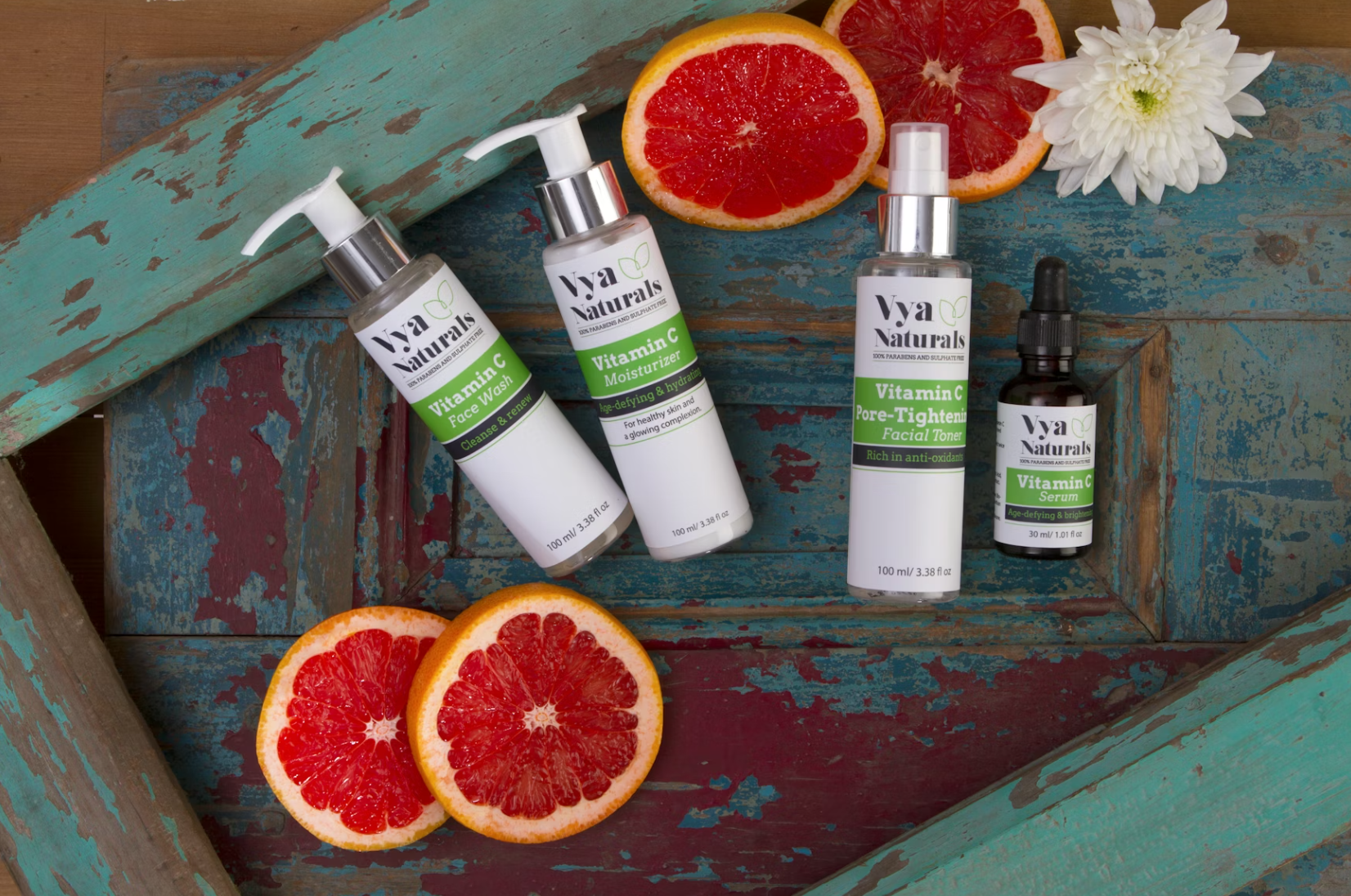
Beauty Products Worth Comparing Before You Buy
There is a particular kind of disappointment that happens when a beauty product looks perfect online, arrives beautifully packaged, and still does almost nothing for your actual routine. The shade is slightly off. The texture pills under moisturizer. The cleanser feels too tight. The hair tool is impressive for five minutes, then lives untouched in a drawer. Beauty shopping can feel glamorous, but it can also become expensive trial and error when every product promises smoother skin, shinier hair, or a more polished finish.
That is why comparing beauty products before you buy is not about being overly cautious. It is about shopping with more intention. The right comparison can help you understand what a product is really designed to do, whether it fits your skin type or lifestyle, and whether a higher price actually reflects better ingredients, packaging, performance, or convenience.
Beauty is personal. A product that looks effortless on one person may not suit another person’s skin tone, hair texture, climate, budget, or daily habits. Comparing products gives you a clearer view of the details that matter before you commit.
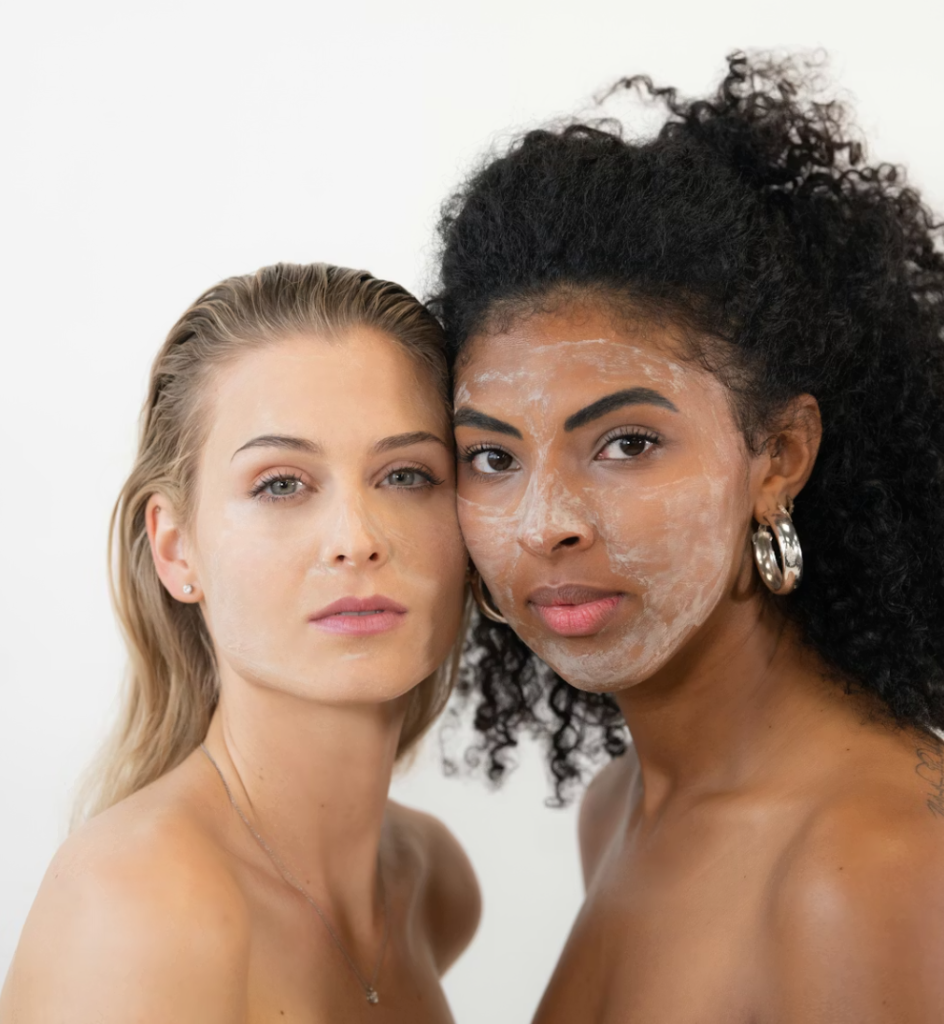
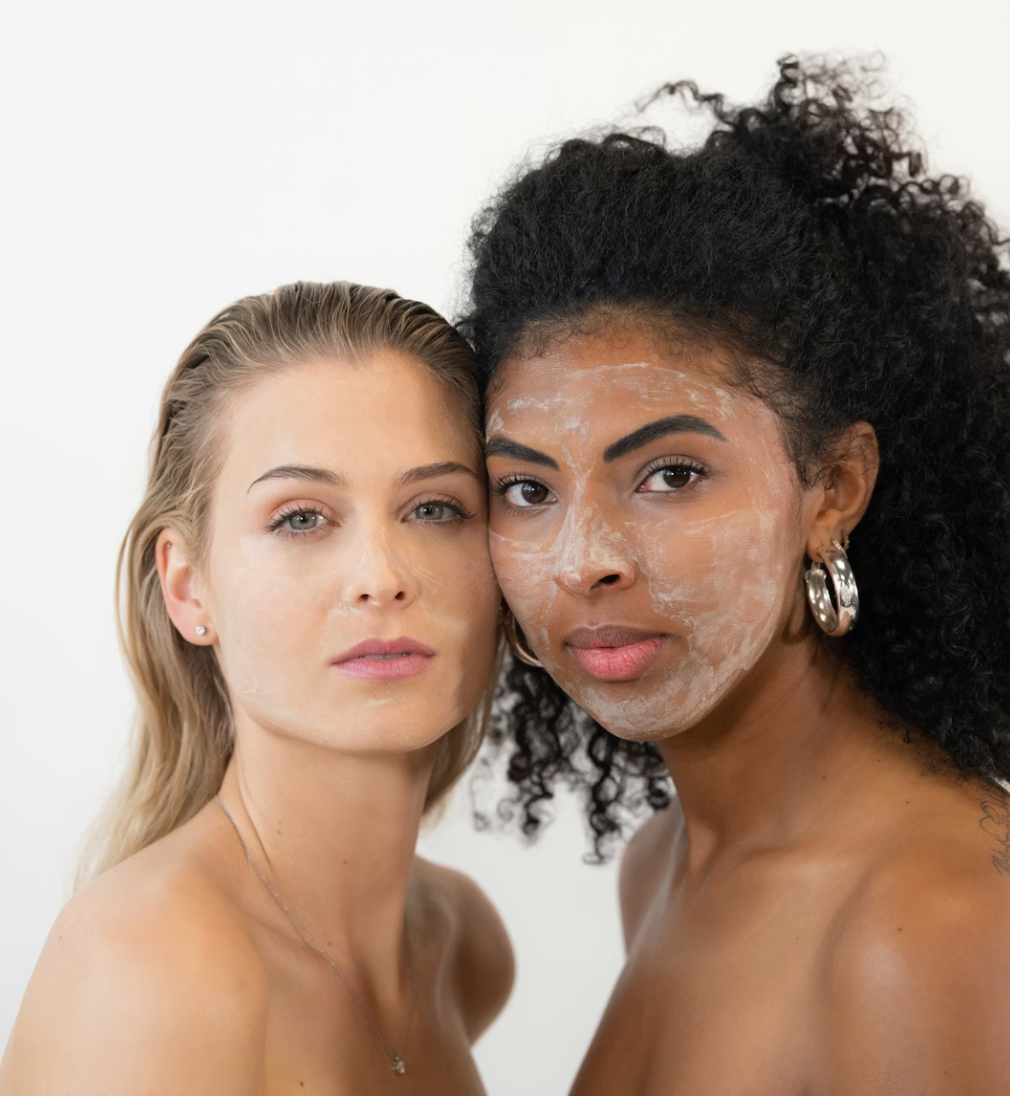
Why Beauty Products Deserve a Closer Look
Beauty products sit at the intersection of science, style, comfort, and personal preference. Unlike a simple household item, a moisturizer or foundation interacts directly with your skin. A shampoo can affect how your hair feels for days. A fragrance can become part of how people remember you. Even small differences in formula, finish, scent, packaging, or application can change the entire experience.
Comparing products also helps cut through marketing language. Words like clean, glow, nourishing, weightless, luxury, and professional can be appealing, but they do not always explain what the product actually does. A good comparison looks beyond the front label and asks practical questions. Who is this made for? What problem does it solve? How does it fit into a real routine? Is the product easy to use consistently?
A thoughtful buying decision does not mean you need to become a cosmetic chemist. It simply means slowing down enough to notice the details that affect daily use.
Skincare Products: Ingredients, Texture, and Skin Type Matter
Skincare is one of the most important categories to compare because results depend heavily on compatibility. A moisturizer, serum, cleanser, or sunscreen may be beautifully formulated, but it still needs to suit your skin type and concerns.
When comparing cleansers, consider how your skin feels after rinsing. Some formulas are designed to remove makeup and sunscreen, while others are gentle morning cleansers. Gel cleansers may appeal to oily or combination skin, while cream and balm cleansers often suit dry or sensitive skin. A cleanser should leave skin feeling clean, not stripped.
Serums require even more attention. Before buying, compare the active ingredients, concentration if listed, and the purpose of the formula. Hydrating serums usually focus on ingredients such as humectants, while brightening or smoothing products may include more targeted actives. If you already use exfoliating acids or retinoids, avoid stacking too many strong products at once.
Moisturizers should be compared by texture and barrier support. Lightweight lotions may work well under makeup, while richer creams may be better for nighttime or dry climates. Packaging can also matter. Pump bottles and tubes may feel more hygienic and convenient than jars, especially if you use the product daily.
Sunscreen is worth comparing carefully because comfort affects consistency. The best sunscreen is often the one you are willing to apply generously and regularly. Look at finish, texture, white cast potential, fragrance, water resistance, and whether it layers well with makeup.
Makeup Products: Shade, Finish, and Wearability Come First
Makeup can be one of the most tempting beauty categories to buy impulsively, especially when a product photographs well. But comparison is essential because shade, undertone, finish, and wear time can make or break the purchase.
For foundation and concealer, shade range is only the beginning. Compare undertones carefully. A foundation may be fair, medium, or deep, but it can also lean warm, cool, neutral, olive, peach, or golden. Choosing the wrong undertone often looks more noticeable than choosing a shade that is slightly too light or dark.
Finish is another key factor. Matte foundations can help reduce shine, but some may emphasize texture or dryness. Dewy formulas can create a fresh look, but they may not last as well on oily skin. Satin finishes often offer a balanced middle ground for everyday wear.
Lip products should be compared by comfort, pigment, transfer, and maintenance. A long-wear liquid lipstick may last longer but feel drier. A glossy balm may feel comfortable but need frequent reapplication. Neither is automatically better. The right choice depends on how you actually wear makeup throughout the day.
For eyeshadow, blush, bronzer, and highlighter, compare color payoff and blendability. Highly pigmented products are not always easier to use. Beginners may prefer buildable formulas that allow more control. A soft, forgiving texture can be more useful than dramatic color intensity.
Hair Care Products: Match the Formula to Your Hair Reality
Hair care shopping becomes easier when you compare products based on your actual hair type rather than your dream hair type. Fine, thick, curly, color-treated, oily, dry, frizz-prone, and heat-styled hair all have different needs.
When comparing shampoos, think about your scalp first. If your scalp becomes oily quickly, you may prefer a lighter formula that cleans thoroughly without leaving residue. If your scalp feels dry or sensitive, a gentler formula may be more comfortable. For color-treated hair, compare whether the product is designed to be gentle on color.
Conditioners and masks should be compared by weight and purpose. A rich mask may be excellent for dry, coarse hair but too heavy for fine hair. A lightweight conditioner may detangle well without flattening volume. The goal is not to choose the most intensive product, but the one that leaves your hair manageable without creating buildup.
Styling products need practical comparison too. A curl cream, mousse, heat protectant, oil, or leave-in conditioner should match how much time you spend styling. If a product requires careful layering and drying techniques, it may not suit a quick morning routine. Beauty products work best when they fit into your life, not when your life has to rearrange around them.
Beauty Tools and Devices: Performance Is Only Part of the Decision
Beauty tools can be appealing because they promise convenience and a more polished result. Hair dryers, curling tools, facial cleansing brushes, LED masks, ice rollers, microcurrent devices, and makeup brushes all deserve careful comparison before purchase.
With heated hair tools, compare heat settings, plate or barrel material, weight, cord length, safety features, and how suitable the tool is for your hair type. A high-heat tool may style quickly, but it may not be ideal for fragile or damaged hair. Adjustable heat settings are often more useful than a single powerful setting.
For skincare devices, be especially cautious with expectations. Compare the type of technology, recommended usage, maintenance requirements, replacement parts, and whether the device is suitable for your skin condition. Avoid products that imply dramatic results without clear explanation. Many beauty devices require patience and consistency, and some may not be suitable for everyone.
Makeup brushes and sponges should be compared by shape, density, softness, and ease of cleaning. A beautifully designed brush is not helpful if it sheds, absorbs too much product, or feels scratchy. For everyday use, comfort and control often matter more than an impressive-looking brush set.
Fragrance: Compare Notes, Longevity, and Occasion
Fragrance is emotional, but it is still worth comparing thoughtfully. A perfume can smell different on paper, in the bottle, and on your skin. Body chemistry, weather, and even the products you layer underneath can affect how a fragrance develops.
When comparing fragrances, look at the note structure. Fresh citrus scents often feel bright and clean, while florals may feel romantic, powdery, modern, or green depending on the blend. Woody, amber, vanilla, musk, and spicy notes tend to feel warmer and more lasting. This does not mean one family is better than another. It simply helps you understand the mood of the scent.
Longevity and projection are also important. Some people love a fragrance that stays close to the skin. Others want something noticeable. Compare whether the fragrance suits daily wear, office settings, evening events, warm weather, or colder seasons.
Sampling is especially valuable with fragrance. A full bottle can be a beautiful purchase, but only after you know how it wears over several hours.
Clean Beauty, Luxury Beauty, and Drugstore Beauty: What Is Actually Worth It?
Beauty shoppers often compare products by price category, but price alone does not tell the full story. Drugstore products can be excellent, luxury products can be worth it, and clean beauty products can vary widely in performance. The smartest approach is to compare what you are paying for.
Luxury beauty may offer elegant packaging, refined textures, sophisticated shades, or a more pleasurable application experience. That can be worthwhile if beauty is part of your daily ritual and you value the sensory details. However, a higher price does not guarantee better results for every person.
Drugstore beauty can offer strong value, especially for basics like mascara, cleanser, body lotion, lip balm, and everyday makeup. These products are often easier to repurchase and test without a large commitment.
Clean beauty is best approached with nuance. The term can mean different things depending on the brand or retailer. Instead of assuming it is automatically gentler or safer, compare the actual ingredient list, preservation system, fragrance content, and product suitability for your skin.
How to Compare Beauty Products Like a Smart Shopper
A useful beauty comparison starts with your goal. Are you trying to hydrate dry skin, reduce the look of shine, simplify your routine, add volume to fine hair, or find a lipstick that is comfortable for long days? A clear goal prevents you from being distracted by every beautiful new launch.
Next, compare the product category and your current routine. A serum may sound impressive, but if you already have three active treatments, you may need a simple moisturizer instead. A full-coverage foundation may look flawless in photos, but if you prefer quick makeup, a skin tint may be more realistic.
Look closely at ingredient lists, but do not judge only by one popular ingredient. A product’s performance depends on the full formula, not just a single highlighted component. Texture, concentration, supporting ingredients, and packaging all influence the experience.
Reviews can be helpful, but read them carefully. Look for reviewers with similar skin type, hair type, tone, climate, or beauty preferences. A complaint from one shopper may not apply to you. For example, a moisturizer described as too rich by someone with oily skin may be ideal for someone with dry skin.
Finally, compare cost per use. A product that seems expensive may last several months if only a small amount is needed. A cheaper product may become less economical if you need to use more or replace it quickly.
Common Mistakes to Avoid When Buying Beauty Products
One common mistake is buying based only on trend. A viral product may be popular because it looks good on camera, has attractive packaging, or suits a specific group of people. That does not mean it belongs in every routine.
Another mistake is ignoring skin or hair type. A glowing review is useful only when the product fits your needs. Oily skin, dry skin, sensitive skin, curls, fine hair, and color-treated hair all respond differently.
Many shoppers also buy too many products at once. This is especially risky with skincare. If your skin reacts, it becomes difficult to know which product caused the issue. Introduce new products slowly when possible.
A fourth mistake is expecting one product to solve everything. A moisturizer may support comfort and softness, but it cannot replace sunscreen, cleansing, sleep, hydration, or a consistent routine. A hair mask may improve manageability, but it cannot fully undo repeated heat damage.
Finally, avoid overlooking practical details. Scent, packaging, size, application time, storage, and travel-friendliness can all affect whether you actually use the product.
When to Spend More and When to Save
Spend more when the product solves a specific problem, fits beautifully into your routine, and is something you use often. Foundation, sunscreen, hair tools, fragrance, and targeted skincare may be worth a higher budget if the product performs well for your needs.
Save on products that are easy to replace, used quickly, or less dependent on premium formulation. Basic cleansers, body wash, simple moisturizers, lip balm, brow gel, and everyday mascara often have affordable options that perform well.
The best beauty routine is not the most expensive one. It is the one you understand, enjoy, and use consistently.
Building a Beauty Routine That Feels Considered
A considered beauty routine does not need to be large. In fact, the most elegant routines are often edited with care. Instead of collecting products that compete with one another, choose items that work together.
For skincare, that might mean a gentle cleanser, a reliable moisturizer, sunscreen, and one targeted treatment. For makeup, it may be a base product, brow product, mascara, lip color, and one complexion enhancer. For hair care, it could be a shampoo, conditioner, heat protectant, and one styling product that suits your texture.
Comparing before buying helps you build this kind of routine. Each purchase has a reason. Each product earns its place. The result feels less cluttered and more personal.
Final Takeaway
Beauty products are worth comparing because the best choice is rarely the loudest, newest, or most expensive option. It is the product that fits your skin, hair, lifestyle, budget, and expectations. When you compare formulas, textures, shades, tools, and real-use details, beauty shopping becomes less impulsive and more satisfying.
A smart beauty purchase should feel like a quiet upgrade, not a gamble. Take your time, read thoughtfully, sample when possible, and choose products that make your routine easier, more comfortable, and more enjoyable.
Frequently Asked Questions
What beauty products should I compare most carefully before buying?
Skincare products, foundation, concealer, sunscreen, hair tools, fragrance, and targeted treatments are especially worth comparing. These products often depend on skin type, shade match, formula performance, or long-term usability.
Is expensive beauty always better than affordable beauty?
No. Expensive beauty products may offer refined textures, packaging, or specialty formulas, but affordable products can perform very well. Compare ingredients, use case, comfort, and cost per use rather than judging by price alone.
How can I avoid buying the wrong shade of makeup online?
Look for shade descriptions, undertone guidance, swatches on different skin tones, and reviews from people with similar coloring. When possible, compare your current best-matching shade to the product’s shade guide.
Are beauty product reviews reliable?
Reviews can be helpful, but they are most useful when you read them with context. Focus on reviews from people with similar skin type, hair type, concerns, or preferences. Avoid relying only on star ratings or dramatic before-and-after claims.
Should I buy full-size beauty products or samples first?
Samples, minis, or travel sizes are often smart for skincare, fragrance, foundation, and hair products. They let you test texture, scent, comfort, and compatibility before committing to a full-size purchase.


You May Also Like

Hair Care Routine for Beginners: What Actually Matters?
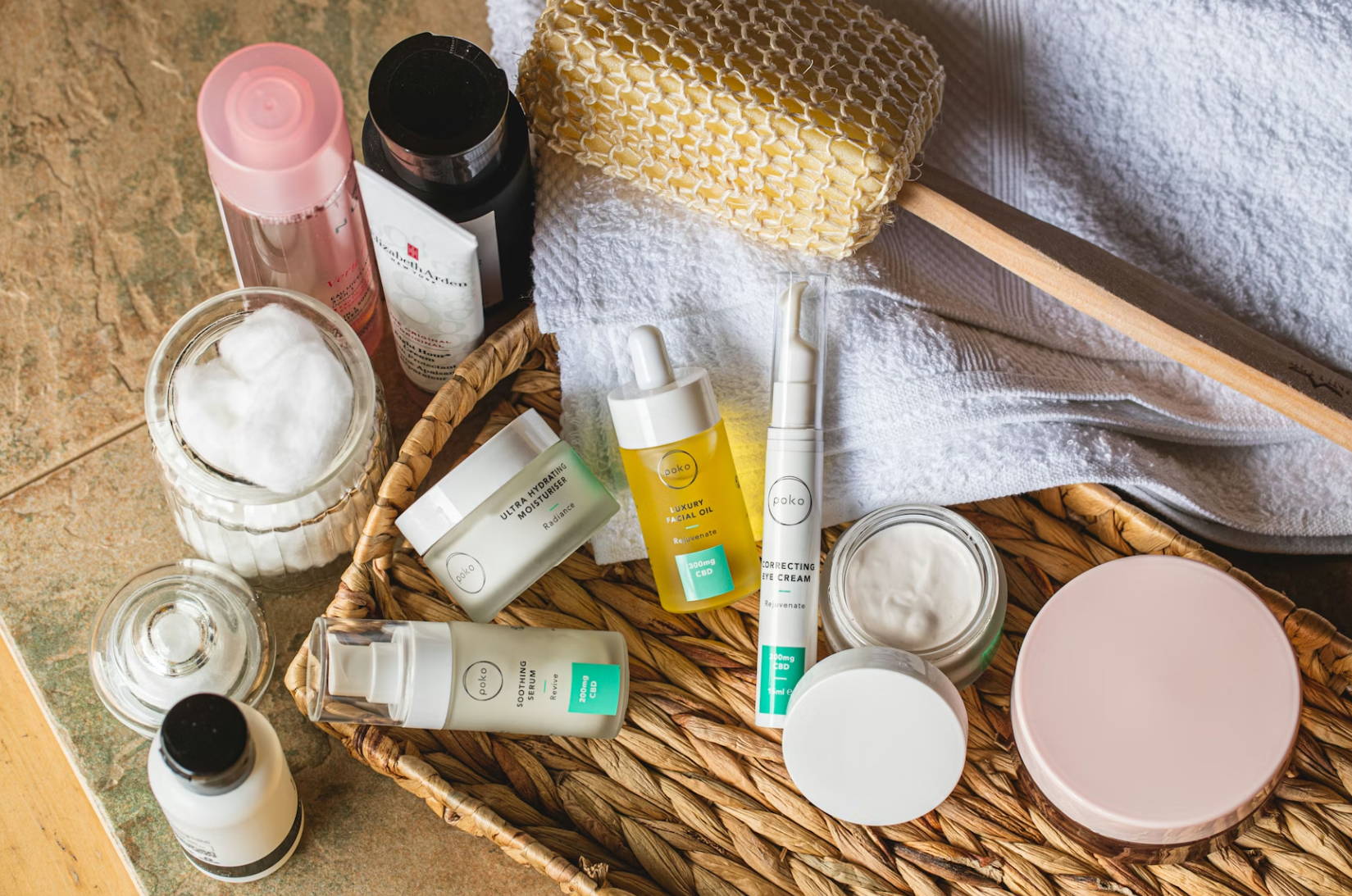
Expensive vs Affordable Beauty Products: Are They Worth It?