How to Choose the Right Shoes for Everyday Wear Without Sacrificing Comfort or Style
A good everyday shoe has a quiet kind of power. You may not think about it when you are rushing out the door, walking to the office, doing errands, meeting friends, or standing in line for coffee, but your shoes are working in the background all day. The right pair can make an ordinary routine feel smoother. The wrong pair can turn a simple afternoon into a slow negotiation between style, discomfort, and regret.
Choosing shoes for everyday wear is not just about finding something that looks nice with jeans or feels soft for the first five minutes. Everyday shoes need to live in the real world. They need to handle pavement, stairs, changing weather, long hours, casual outfits, smarter outfits, and the small unpredictability of daily life. They should support your lifestyle without demanding too much attention.
The best everyday shoes are not always the trendiest, the most expensive, or the most cushioned pair on the shelf. They are the shoes that fit your feet, match your routine, suit your wardrobe, and remain comfortable beyond the first impression. When chosen carefully, they become the kind of item you reach for again and again because they simply make sense.
What Makes a Shoe Good for Everyday Wear?
Everyday shoes sit in a different category from special occasion shoes, gym shoes, hiking boots, or fashion statement heels. They need to balance comfort, durability, versatility, and ease. A beautiful shoe that only works with one outfit is not truly practical for daily wear. A highly cushioned shoe that feels bulky with most clothes may not be your best all-purpose option either.
A good everyday shoe should feel stable when you walk, flexible enough for natural movement, and secure enough that your foot is not sliding around inside. It should have a sole that suits your usual surfaces, whether that means city sidewalks, office floors, shopping malls, campuses, or light outdoor paths. It should also be easy to style with the clothes you actually wear, not the ideal wardrobe you imagine owning someday.
Think of everyday shoes as the foundation of your daily uniform. They do not need to be boring, but they should be dependable. The best pair supports your life quietly, without creating friction, pressure, or styling problems every morning.
Start With Your Daily Routine
Before looking at materials, colors, brands, or trends, begin with your actual lifestyle. A shoe that is perfect for one person may be completely wrong for another because daily routines vary so much.
If you commute by walking or public transport, you may need shoes with more cushioning, a supportive sole, and good traction. If you drive most places but spend time in meetings or social settings, you might prioritize a cleaner silhouette that looks polished while still feeling comfortable. If your workday includes standing, moving between locations, or running errands, comfort and structure become even more important.
Ask yourself where your shoes need to go. Are you walking several thousand steps a day? Do you need them to look professional? Are you often caught in light rain? Do you wear mostly casual clothes, smart casual outfits, or office attire? Do you prefer one reliable pair or several pairs for different settings?
This is where many shoppers make their first mistake. They buy shoes for an imagined lifestyle instead of their real one. A pair may look perfect in product photos, but if it does not match your daily movement, wardrobe, and environment, it will probably spend more time in the closet than on your feet.
Understand Your Foot Shape
Fit is more personal than size. Two people may both wear the same shoe size but need completely different shapes, widths, and levels of support. That is why relying only on your usual size can be misleading.
Pay attention to your foot width, arch shape, toe length, and heel fit. Some people have narrow heels but wider forefeet. Others need extra room around the toes but prefer a snug midfoot. Some feet feel better in structured shoes, while others prefer softer, more flexible designs.
The toe box is especially important for everyday wear. Your toes should have enough room to rest naturally without feeling squeezed from the sides or pressed at the front. Shoes that pinch may feel manageable for a short outing, but daily use can quickly make them uncomfortable. A slightly roomier toe box often makes a major difference, especially if you walk a lot or your feet swell slightly during the day.
Heel fit matters too. If the back of the shoe slips constantly, you may change the way you walk without realizing it. That can make the shoe feel tiring, even if the cushioning seems comfortable at first. Look for a secure but not harsh fit around the heel.
Do Not Choose by Size Alone
Shoe sizing can vary widely between brands, styles, and regions. A size that fits well in one sneaker may feel too tight in a loafer or too loose in a slip-on. Materials also affect fit. Leather may soften over time, while some synthetic materials hold their original shape more firmly.
When possible, try shoes later in the day, when your feet may be slightly larger from normal activity. Wear the type of socks you plan to use with the shoes. Walk around for more than a few seconds. Pay attention to pressure points, slipping, stiffness, and whether your toes feel cramped.
Do not assume a shoe will become comfortable after several wears. Some materials break in gently, but a painful fit rarely transforms into a perfect one. If a shoe feels sharply tight, rubs immediately, or forces your foot into an unnatural position, it is usually better to move on.
Comfort Should Be Supportive, Not Just Soft
Many shoppers mistake softness for comfort. A shoe can feel plush when you first step into it but still lack the support needed for everyday wear. Very soft soles may feel pleasant at first, yet they can become unstable or tiring if they do not provide enough structure.
Look for a balance of cushioning and support. The shoe should absorb some impact but still feel steady. The sole should bend where your foot naturally bends, usually near the ball of the foot, but it should not twist too easily in every direction. A little structure can help the shoe feel more reliable during long days.
Arch support is another personal factor. Some people prefer noticeable support, while others feel better with a flatter interior. The goal is not to chase one universal design, but to choose what feels natural and sustainable for your own feet. If you use insoles or orthotic inserts, make sure the shoes have enough room to accommodate them comfortably.
Choose Materials That Match Your Lifestyle
Materials affect comfort, durability, appearance, breathability, and maintenance. For everyday shoes, this matters more than many people realize.
Leather and suede can look refined and often work well for smart casual outfits, but they may need more care, especially in wet weather. Canvas and knit fabrics can feel light and breathable, making them appealing for casual wear, but they may stain more easily or offer less structure. Synthetic materials vary widely, from lightweight and flexible to stiff and less breathable.
If you live in a warm climate or walk a lot, breathability becomes important. Shoes that trap heat can become uncomfortable during long days. If you often deal with rain, look for materials that can handle moisture better or are easier to wipe clean. For office or city wear, smooth leather or leather-like finishes may offer a polished look while remaining versatile.
Maintenance should also be part of the decision. White sneakers may look fresh and modern, but they require more frequent cleaning. Suede can be elegant but less forgiving in bad weather. Darker colors and textured materials often hide minor scuffs better, which can be useful for shoes you plan to wear often.
Think About Sole Quality
The sole is one of the most important parts of an everyday shoe. It affects grip, comfort, stability, and how long the shoe lasts. A thin, hard sole may look sleek but can feel unforgiving on concrete. A very thick sole may offer cushioning but feel heavy or awkward with certain outfits.
For daily wear, look for a sole that feels stable and appropriate for your environment. If you walk on smooth indoor floors, traction matters. If you spend time outside, the outsole should provide enough grip for pavement and light wet conditions. If your routine includes long walks, cushioning and shock absorption become more valuable.
Check the heel area as well. Some shoes wear down quickly at the back, especially if the outsole is too soft or thin. A durable sole can make an everyday shoe more cost-effective over time, even if the initial price is slightly higher.
Versatility Is a Form of Value
A truly useful everyday shoe should work with many outfits. This does not mean every pair must be plain, but versatility gives you more value and less decision fatigue.
Neutral colors such as black, white, beige, brown, navy, gray, and soft earth tones tend to be easier to style. Minimal designs often pair well with casual and smart casual clothing. A clean sneaker, simple loafer, refined flat, low-profile boot, or comfortable slip-on can become a wardrobe anchor because it does not compete with the rest of your outfit.
That said, your version of versatile depends on your wardrobe. If you wear mostly monochrome outfits, a burgundy, olive, or metallic shoe may still function as a neutral. If your wardrobe is colorful, a simple white or tan shoe may create balance. The key is to choose shoes that match your real clothes, not just the outfit shown in a product image.
Consider Your Personal Style
Comfort is essential, but style still matters. Everyday shoes should feel like something you are happy to wear. If a shoe is technically practical but does not suit your taste, you may avoid it.
Think about the overall mood of your wardrobe. Do you prefer polished and minimal, sporty and casual, classic and timeless, relaxed and natural, or fashion-forward and expressive? Your shoes should support that mood.
For a clean modern look, consider simple leather sneakers, loafers, ballet flats, or streamlined boots. For casual comfort, low-top sneakers, slip-ons, and supportive walking shoes may be better. For a more refined everyday wardrobe, loafers, ankle boots, or elegant flats can work well. For active daily movement, choose shoes that combine comfort technology with a silhouette you still enjoy wearing.
The best everyday shoes sit at the intersection of who you are and what your day requires.
Know the Main Types of Everyday Shoes
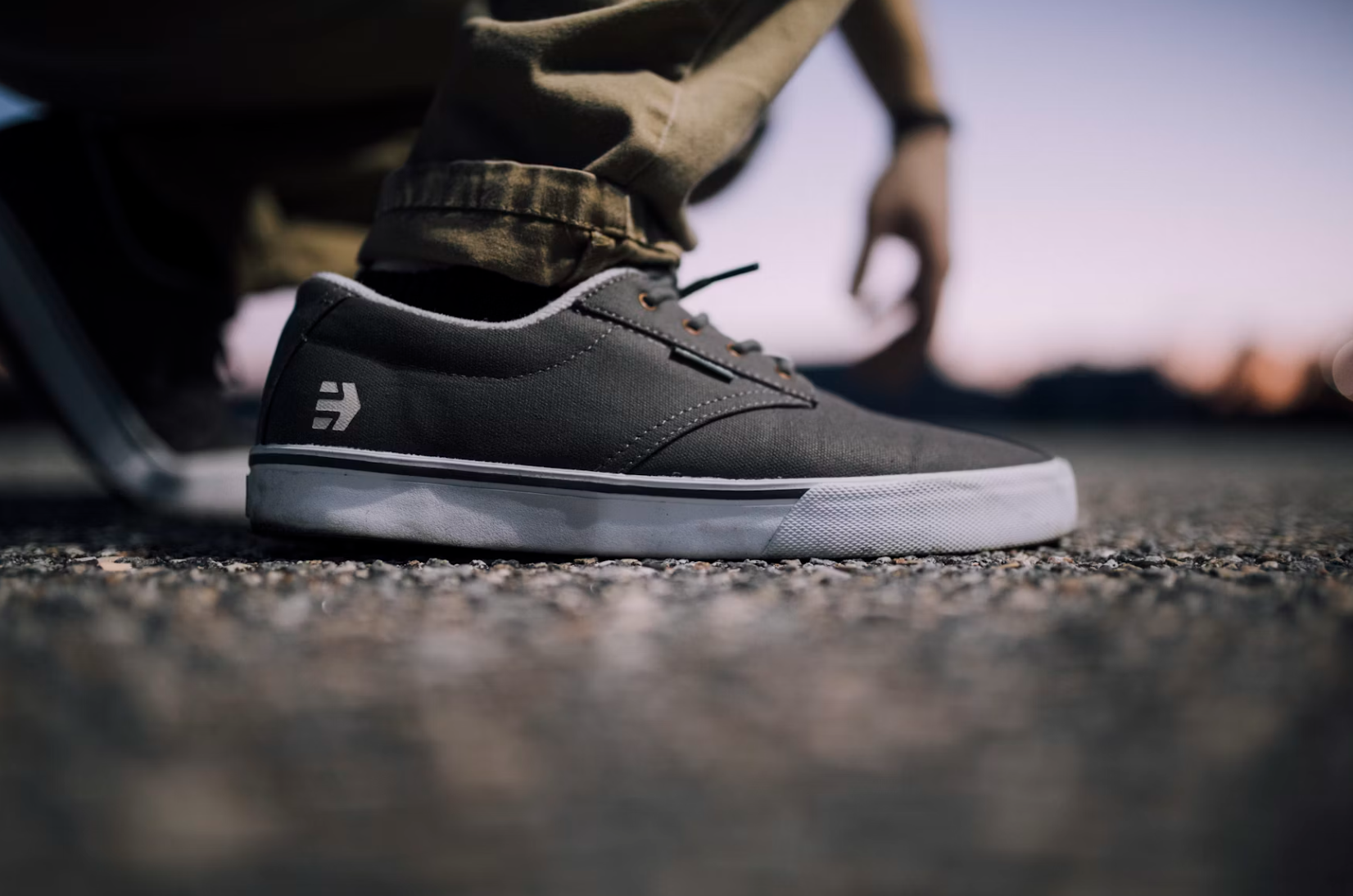
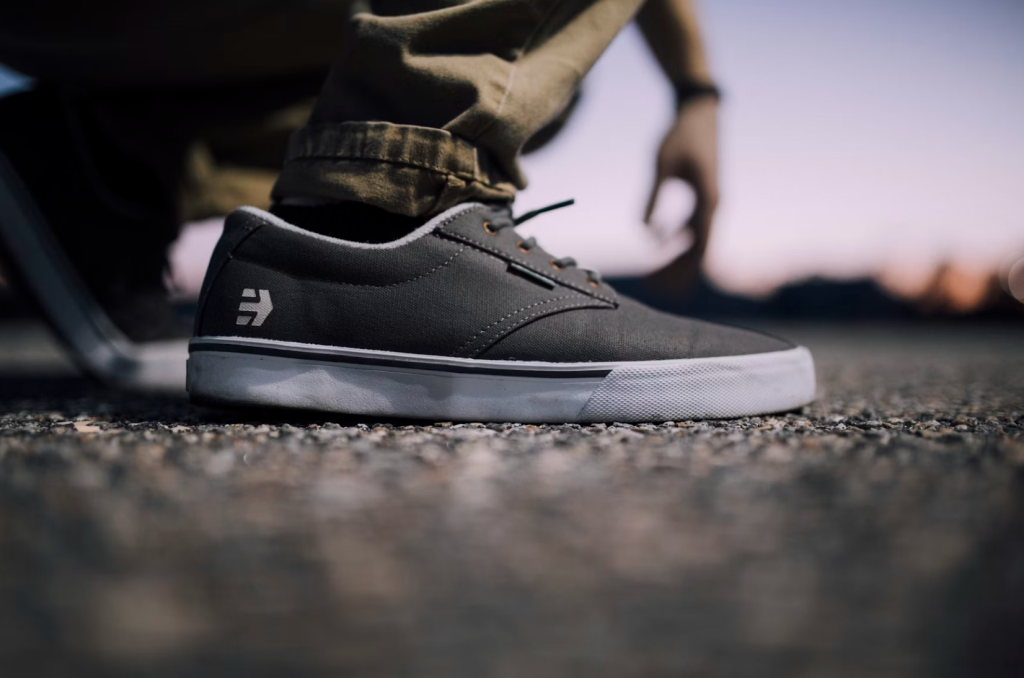
Sneakers are often the easiest everyday option because they offer comfort, flexibility, and casual versatility. A clean, simple sneaker can work with jeans, trousers, skirts, dresses, and relaxed office outfits, depending on the dress code.
Loafers are a strong choice for people who want something more polished than sneakers but still practical. They pair well with trousers, denim, and workwear-inspired outfits. The best everyday loafers have enough cushioning and do not feel stiff around the heel or top of the foot.
Flats can be elegant and easy to style, but not all flats are comfortable for daily walking. Look for pairs with cushioned footbeds, flexible soles, and enough toe room. Extremely thin soles may feel chic but can become tiring on hard surfaces.
Ankle boots are useful in cooler weather or for wardrobes that lean classic, smart casual, or slightly edgy. For everyday wear, a low or moderate heel is usually more practical than a high heel. A stable sole and comfortable opening around the ankle are important.
Slip-ons are convenient for casual routines and travel days. However, they need a secure fit. If they are too loose, your feet may work harder to keep them on, which can cause fatigue.
Sandals can be practical in warm weather, but everyday sandals should still offer support and secure straps. Very flat, flimsy sandals may be fine for short outings but less suitable for long walks.
Common Mistakes to Avoid
One of the most common mistakes is buying shoes based only on appearance. Style matters, but shoes are functional objects. If they do not support movement, they are not good everyday shoes.
Another mistake is choosing shoes that are too tight because they look sleeker. A narrow silhouette may feel elegant, but daily discomfort is not worth the visual effect. Shoes should fit your feet, not force your feet to fit the shoes.
Many shoppers also overlook weight. Heavy shoes can feel substantial and durable, but if they make walking feel tiring, they may not be ideal for frequent wear. On the other hand, extremely lightweight shoes may lack structure. Balance is key.
Ignoring weather is another practical error. A suede shoe may be beautiful, but it may not be the best daily choice during rainy seasons. A fabric shoe may feel breathable, but it may stain quickly if worn in messy conditions.
Finally, avoid buying shoes only because they are popular. Trends can be fun, but everyday shoes should serve your routine first. A trendy pair that does not match your lifestyle is not a smart purchase, even if it looks current.
How to Judge Quality Before Buying
You do not need to be a footwear expert to make a better choice. Start by looking at the construction. Check whether the stitching looks even, the sole is securely attached, and the upper material feels consistent. Look inside the shoe for rough seams or areas that might rub.
Bend the shoe gently. It should flex naturally at the forefoot, not collapse completely in the middle. Press the footbed and heel area to see whether there is enough cushioning for your needs. Examine the outsole texture and consider whether it offers suitable grip.
Read product details carefully. Look for information about materials, lining, sole type, fit notes, and care instructions. Customer reviews can also be helpful, especially when multiple people mention sizing, width, break-in time, or durability. Do not rely on one review alone, but patterns can reveal useful information.
Price and Value Are Not the Same
A higher price does not always guarantee better comfort, and a lower price does not always mean poor quality. The smarter question is value: how often will you wear the shoes, how well do they fit, and how long are they likely to last?
For shoes you wear several times a week, it can make sense to invest more in comfort and durability. A pair that costs more but works with many outfits and remains comfortable over time may offer better value than a cheaper pair that causes discomfort or wears out quickly.
At the same time, avoid paying for features you do not need. If you mainly want shoes for light daily errands, you may not need advanced performance details. If you need shoes for long commutes, those comfort features may be worth prioritizing.
Build a Small Everyday Shoe Rotation
One pair can be excellent, but relying on a single pair every day can wear it out faster. A small rotation helps shoes last longer and gives you more flexibility for outfits and weather.
A practical rotation might include a comfortable sneaker, a polished loafer or flat, and a weather-appropriate boot or sandal depending on your climate. This does not need to be complicated. The goal is simply to avoid asking one pair of shoes to do everything.
Rotating shoes also gives them time to air out and recover their shape. This is especially useful if you walk often or live in a warm environment.
Final Buying Checklist
Before buying everyday shoes, pause and review the essentials. Do they fit your foot shape, not just your usual size? Can you walk comfortably without slipping, pinching, or pressure? Do they match at least several outfits in your wardrobe? Are the materials suitable for your climate and routine? Does the sole feel stable enough for your daily surfaces? Are they easy enough to care for?
If the answer is mostly yes, you are likely looking at a practical everyday option. If you are making too many excuses for the shoe before buying it, that is usually a sign to keep searching.
Conclusion
Choosing the right shoes for everyday wear is a blend of self-knowledge and smart shopping. The best pair is not simply the one that looks good online or feels soft for a moment in the store. It is the pair that fits your feet, supports your routine, complements your wardrobe, and holds up to the small demands of daily life.
When you focus on fit, comfort, materials, sole quality, and versatility, you make a purchase that feels useful long after the initial excitement fades. Everyday shoes should make your life easier, not more complicated. They should help you move through the day with confidence, comfort, and a sense of quiet polish.
FAQs
What type of shoe is best for everyday wear?
The best everyday shoe depends on your routine, but clean sneakers, loafers, supportive flats, slip-ons, and low ankle boots are popular choices because they balance comfort and versatility. The right option should fit well, feel stable, and match the outfits you wear most often.
How much room should everyday shoes have?
Your toes should have enough space to rest naturally without pressing against the front or sides of the shoe. A small amount of extra room at the front is usually helpful, but the shoe should not feel loose or cause your heel to slip when you walk.
Are sneakers good for everyday wear?
Sneakers can be excellent for everyday wear, especially if you walk often or prefer casual styling. Look for a pair with supportive cushioning, a durable sole, breathable materials, and a clean design if you want maximum outfit versatility.
Should everyday shoes be lightweight or supportive?
They should be both, but balance matters. Lightweight shoes can feel easy to wear, while supportive shoes help with stability during longer days. Avoid shoes that feel heavy and tiring, but also be cautious with shoes that are so light they lack structure.
How often should everyday shoes be replaced?
It depends on how often you wear them, how much you walk, and the quality of the materials. Signs that shoes may need replacing include worn-down soles, reduced cushioning, uneven heel wear, loss of support, or discomfort that was not there before.

You May Also Like
The Quiet Luxury of Feeling Comfortable
The quiet power of clothes that fit your real life