Skincare Ingredients Explained: What Should You Look For?
Walk into any beauty aisle and the shelves seem to speak in a language of their own. Hyaluronic acid, niacinamide, peptides, ceramides, retinol, vitamin C, alpha hydroxy acids, beta hydroxy acids, barrier repair, brightening complex, hydration booster. It can feel less like shopping for skincare and more like decoding a chemistry label under fluorescent lights.
The good news is that skincare ingredients do not have to be intimidating. Once you understand what the most common ingredients are meant to do, it becomes much easier to choose products based on your skin’s needs instead of packaging, trends, or dramatic marketing promises.
A good skincare routine is not about owning every popular serum. It is about knowing what your skin is asking for, choosing ingredients that support that goal, and avoiding combinations that may overwhelm your skin. Whether you are building your first routine or refining a crowded bathroom shelf, ingredient knowledge helps you shop with more confidence and fewer regrets.
Why Skincare Ingredients Matter
Skincare is often marketed through feelings: glow, radiance, firmness, clarity, smoothness, renewal. Those words can be useful, but they do not always tell you how a product works. Ingredients are the bridge between a product’s promise and its realistic purpose.
When you understand ingredients, you can look past the front label and evaluate what a formula is likely designed to do. A moisturizer with ceramides and glycerin, for example, suggests barrier support and hydration. A toner with exfoliating acids may be intended to smooth texture or reduce the appearance of dullness. A serum with vitamin C may be positioned for brightness and antioxidant support.
This does not mean you need to memorize every ingredient name. Most shoppers only need a practical understanding of the major categories: hydrators, moisturizers, barrier-supporting ingredients, exfoliants, antioxidants, soothing ingredients, and more active ingredients such as retinoids.
Start With Your Skin Goal
Before looking for specific ingredients, ask what you actually want your skincare to help with. Many people buy products in reverse order. They see an ingredient trending online, then try to fit it into their routine. A smarter approach is to begin with your skin goal.
If your skin feels tight, flaky, or uncomfortable, hydration and barrier support may matter more than brightening or exfoliation. If your skin looks dull, gentle exfoliation or antioxidant support may be useful. If you are concerned about uneven tone, ingredients such as niacinamide, vitamin C, or gentle exfoliating acids may be worth considering. If your skin is easily irritated, soothing and fragrance-free formulas may be more important than highly active products.
Your skin goal should guide your shopping list. Not every ingredient is necessary for every person, and more ingredients do not always mean better results.
Hydrating Ingredients: The Comfort Layer
Hydrating ingredients help attract or hold water in the skin’s surface layers. They are especially useful if your skin feels dehydrated, looks temporarily dull, or feels tight after cleansing.
Hyaluronic acid is one of the most familiar hydrating ingredients. It is often used in serums, moisturizers, and masks because it helps skin feel plump and refreshed. The key is to use it properly. Hydrating serums often work best when applied to slightly damp skin and followed with a moisturizer to help seal in comfort.
Glycerin is another excellent ingredient that deserves more attention. It may not sound glamorous, but it is widely used because it helps support hydration and is suitable for many skin types. If a moisturizer contains glycerin near the top of the ingredient list, that is often a good sign for everyday comfort.
Other humectants you may see include panthenol, aloe vera, beta-glucan, sodium PCA, and urea. These ingredients can help support a softer, more comfortable skin feel. For shoppers, the main takeaway is simple: if your skin feels thirsty, look for humectants, but do not stop there. Hydration works best when paired with moisturizing ingredients that help reduce water loss.
Moisturizing and Barrier Ingredients: The Protective Coat
If hydrating ingredients are like giving your skin a drink, moisturizing and barrier-supporting ingredients are like giving it a well-tailored coat. They help soften the skin, improve comfort, and support the skin’s natural protective barrier.
Ceramides are among the most popular barrier-supporting ingredients. They are naturally found in the skin and are commonly included in moisturizers designed for dryness, sensitivity, or barrier care. Products with ceramides can be helpful when skin feels rough, over-cleansed, or easily irritated.
Emollients such as squalane, shea butter, plant oils, fatty acids, and cholesterol help smooth and soften the skin. They can make a formula feel more nourishing, especially for dry or mature skin types. Lighter emollients, such as squalane, may appeal to people who want softness without a heavy finish.
Occlusives, including petrolatum, dimethicone, and certain waxes, help form a protective layer on the skin. Some shoppers avoid these because they sound heavy, but they can be very useful in the right formula. For dry or compromised-feeling skin, occlusives can help create a more comfortable finish.
The mistake to avoid is choosing a moisturizer only by texture. A gel cream may feel elegant, but it may not be rich enough for very dry skin. A thicker cream may feel comforting, but it may not be ideal for someone who dislikes a heavier finish. Match the formula to your skin type, climate, and daily routine.
Niacinamide: The Versatile Multitasker
Niacinamide has become a modern skincare favorite because it is versatile and generally easy to fit into many routines. It is often used in products designed for uneven tone, visible pores, oiliness, dullness, or barrier support.
What makes niacinamide useful is not that it does one dramatic thing overnight, but that it can support several common skin goals in a balanced way. It is frequently found in serums, moisturizers, and even cleansers. For many shoppers, it is a practical ingredient because it can work well in a simple routine rather than requiring a complicated system.
That said, more is not always better. Some people find high-strength niacinamide products uncomfortable. If your skin is sensitive, a lower-strength formula or a moisturizer containing niacinamide may be a gentler way to try it.
Vitamin C: Brightness and Antioxidant Support
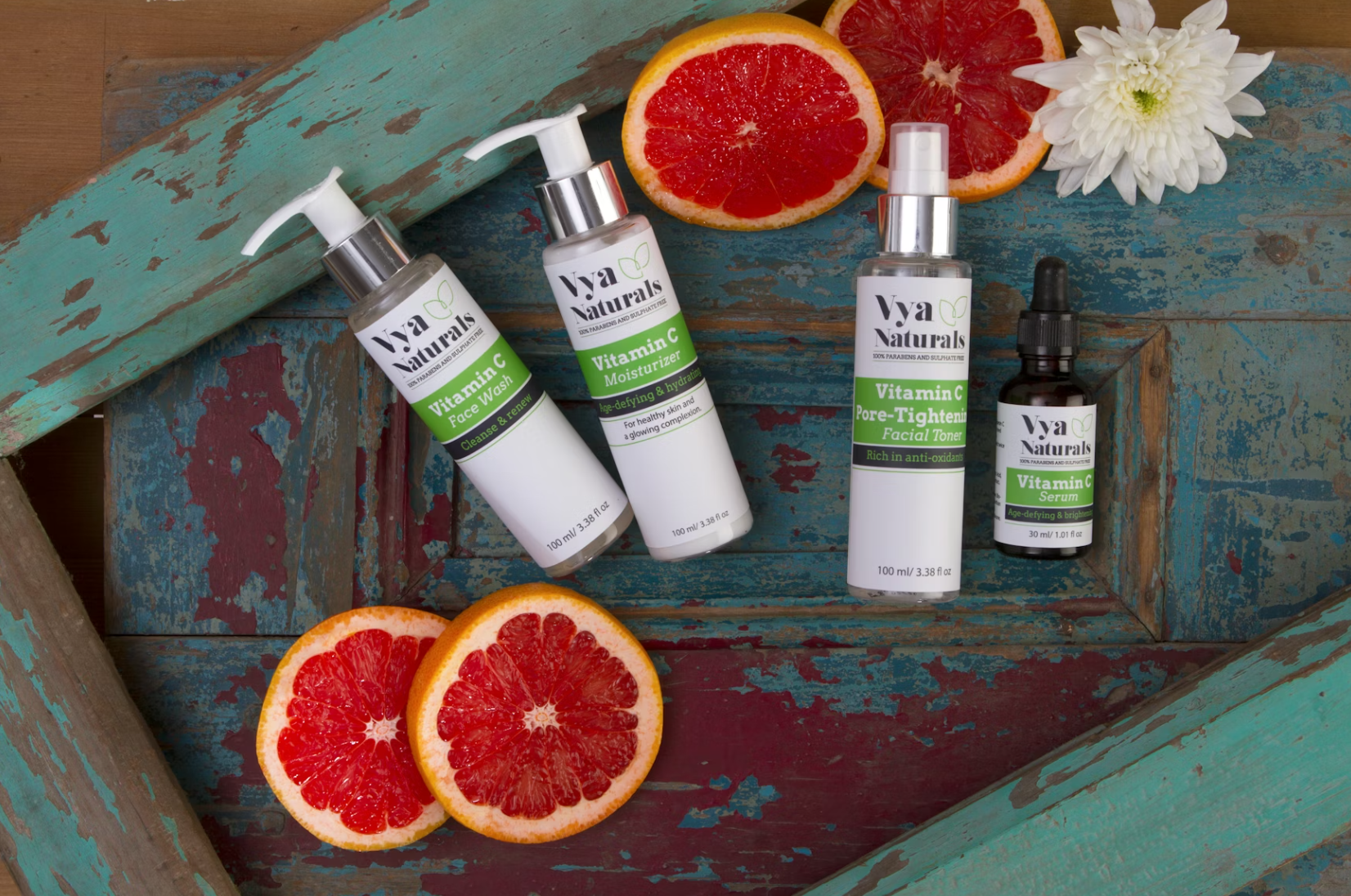
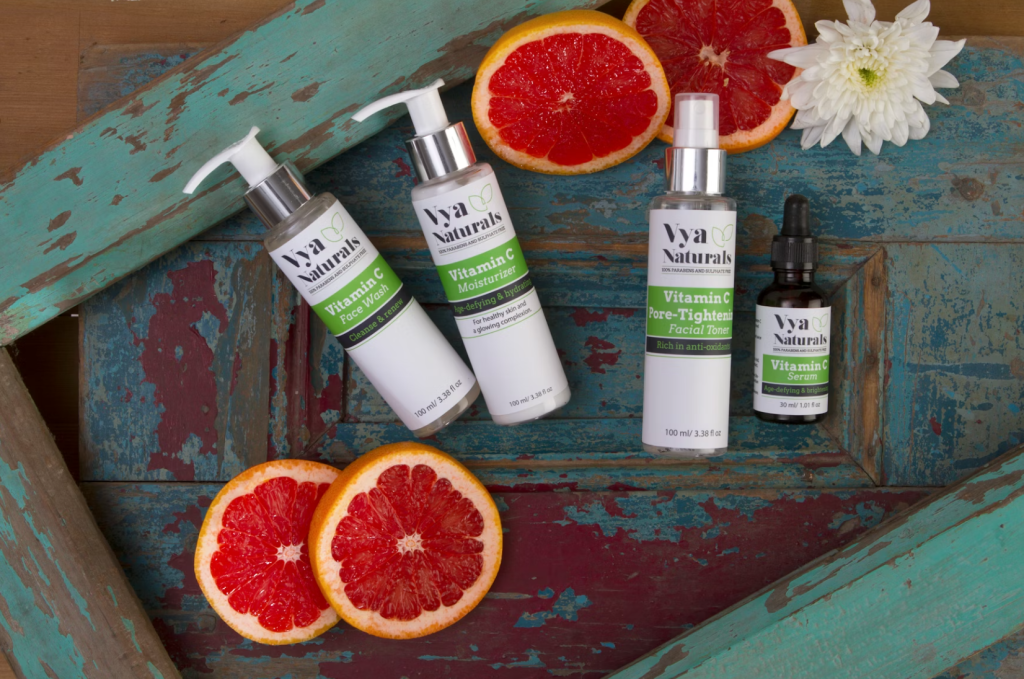
Vitamin C is often associated with brighter-looking skin and antioxidant support. It is commonly used in morning routines, especially under sunscreen, because antioxidants are often positioned as a helpful daytime support step.
There are different forms of vitamin C. Ascorbic acid is the most recognized form, but it can be less comfortable for sensitive skin and may be less stable in certain formulas. Other vitamin C derivatives are often used to create a gentler or more stable product experience, though they may feel different in performance and texture.
When shopping for vitamin C, packaging matters. Products in opaque, airtight, or well-protected packaging are usually preferable because vitamin C formulas can be sensitive to light and air. A serum that changes color, smell, or texture may not be performing as intended.
Vitamin C can be a good choice if your goal is a fresher, more radiant appearance, but it is not essential for everyone. If your skin is reactive, start slowly, use sunscreen consistently, and avoid layering too many strong actives at the same time.
Exfoliating Acids: Smoothness Without Scrubbing
Exfoliating acids help remove dead skin cells from the surface, which can make skin look smoother and less dull. They are often found in toners, serums, masks, and treatment pads.
Alpha hydroxy acids, often called AHAs, include glycolic acid, lactic acid, and mandelic acid. They are commonly used for dullness, uneven texture, and a smoother-looking surface. Glycolic acid can feel more intense for some people, while lactic and mandelic acid are often chosen for a gentler experience.
Beta hydroxy acid, most commonly salicylic acid, is oil-soluble and often used in products for oily or blemish-prone skin. It is frequently found in cleansers, leave-on exfoliants, and spot-focused formulas.
Polyhydroxy acids, known as PHAs, are often positioned as gentler exfoliating acids. They may be suitable for people who want mild exfoliation but find stronger acids too irritating.
The biggest exfoliation mistake is overuse. Smooth skin is tempting, but using acids too often can lead to dryness, stinging, redness, or a weakened-feeling barrier. Most people do not need daily exfoliation. Start slowly, watch how your skin responds, and avoid combining multiple exfoliating products in the same routine unless you know your skin tolerates it.
Retinoids: For Texture and Visible Signs of Aging
Retinoids are among the most discussed skincare ingredients because they are associated with smoother texture, refined-looking skin, and visible signs of aging. You may see names such as retinol, retinal, retinyl palmitate, or adapalene, depending on the product category and market.
For beginners, retinol is often the most familiar option. It can be useful, but it also requires patience. Retinoid products may cause dryness or irritation for some people, especially when introduced too quickly. A slow approach is usually better than an aggressive one.
If you are considering a retinoid, begin with a gentle formula and use it a few nights per week rather than every night immediately. Pair it with a good moisturizer, avoid layering it with strong exfoliating acids at first, and be consistent with sunscreen during the day.
Retinoids are not necessary for everyone, and they may not be suitable for certain people, including those who are pregnant or breastfeeding. In those cases, it is best to seek guidance from a qualified professional before using retinoid products.
Peptides: Supportive, Not Magical
Peptides are often featured in products that focus on firmness, elasticity, and skin that looks more refined. They are small chains of amino acids and are commonly included in serums, eye creams, and moisturizers.
The most realistic way to think about peptides is as supportive ingredients. They can be a nice addition to a routine, especially for people who want a gentler alternative to more intense actives. However, they should not be viewed as instant lifting or dramatic transformation ingredients.
Peptide products can be appealing because they often pair well with hydrating and barrier-supporting formulas. If you already have a basic routine and want a polished serum or cream with a more sophisticated feel, peptides may be worth considering. If you are choosing between a peptide serum and a good sunscreen, however, sunscreen should still come first.
Soothing Ingredients for Sensitive Skin
Sensitive or easily irritated skin benefits from calm, simple formulas. Soothing ingredients can help make a product feel more comfortable and supportive.
Look for ingredients such as panthenol, allantoin, colloidal oatmeal, centella asiatica, green tea, beta-glucan, aloe vera, and licorice root extract. These ingredients are often used in products designed to comfort the skin, reduce the feeling of dryness, or support a more balanced appearance.
Fragrance is another important consideration. Some people enjoy scented skincare, and not every fragrance will bother every person. Still, if your skin is reactive, fragrance-free products are often a safer starting point. Essential oils may sound natural, but they can still be irritating for some skin types.
For sensitive skin, the best ingredient strategy is restraint. A short, focused ingredient list is often easier to tolerate than a formula packed with trendy actives.
Sunscreen Filters: The Daily Essential
No skincare ingredient conversation is complete without sunscreen. Sunscreen is not only for beach days or summer holidays. It is a daily skincare step that helps protect skin from UV exposure, which can contribute to visible aging and uneven tone.
Sunscreens use different filters depending on the region and formula. Some are mineral filters, such as zinc oxide and titanium dioxide. Others are organic filters, sometimes referred to as chemical filters. The best sunscreen is the one you can use consistently, comfortably, and generously.
When shopping, focus on broad-spectrum protection, texture, finish, and compatibility with your routine. A sunscreen that pills under makeup or feels uncomfortable may end up sitting unused. If you have oily skin, a lightweight gel or fluid may suit you. If you have dry skin, a creamier sunscreen may feel better.
Sunscreen does not replace other skincare, but it protects the effort you put into your routine. Brightening serums, exfoliants, and retinoids make much more sense when paired with consistent sun protection.
How to Read an Ingredient List Without Feeling Lost
Ingredient lists can look overwhelming, but you do not need to analyze every word. Start with the first five to ten ingredients, because these often make up much of the product’s base. Look for familiar categories: water, humectants, emollients, silicones, oils, soothing agents, preservatives, and active ingredients.
Do not judge a product only by whether one trendy ingredient appears on the label. A serum that advertises hyaluronic acid may contain it in a modest amount, while the overall formula may rely more on glycerin or other humectants. That is not necessarily bad. Formulation matters more than a single star ingredient.
Also remember that preservatives are not the enemy. Skincare products need preservation to stay safe and stable during normal use. A product without proper preservation is not automatically better simply because it sounds more natural.
Common Skincare Ingredient Mistakes to Avoid
One common mistake is using too many active ingredients at once. A routine with vitamin C in the morning, exfoliating toner at night, retinol the next night, and multiple treatment serums may sound advanced, but it can overwhelm the skin. If your face feels tight, hot, or unusually dry, your routine may be doing too much.
Another mistake is assuming that expensive always means better. Luxury skincare can offer elegant textures and beautiful packaging, but effective formulas exist at many price points. Look at the ingredient purpose, product size, packaging, and how often you will realistically use it.
A third mistake is chasing trends without considering skin type. An ingredient loved by someone with oily, resilient skin may not suit someone with dry, sensitive skin. Skincare is personal, and the best routine is the one your skin can tolerate consistently.
Finally, do not expect instant results from every product. Hydrating products may feel helpful quickly, but ingredients aimed at tone, texture, or visible signs of aging usually require time and consistency. Impatience often leads people to switch products too quickly or layer too many formulas at once.
How to Build a Smarter Ingredient-Based Routine
A balanced routine does not need to be complicated. For most people, the foundation is a gentle cleanser, a suitable moisturizer, and sunscreen during the day. Once those basics are working, you can add targeted ingredients based on your goals.
For dehydration, consider humectants such as glycerin or hyaluronic acid. For dryness or a fragile-feeling barrier, look for ceramides, squalane, shea butter, or petrolatum-based comfort products. For dullness, a gentle exfoliant or vitamin C may help. For uneven-looking tone, niacinamide, vitamin C, or carefully chosen exfoliating acids may be useful. For texture and visible signs of aging, a retinoid may be worth exploring slowly.
Introduce one new product at a time. This makes it easier to notice what works and what causes discomfort. Patch testing is also wise, especially if you have sensitive skin or are trying a stronger active ingredient.
The goal is not to create the longest routine. The goal is to create a routine that feels considered, consistent, and appropriate for your skin.
Final Takeaway
Skincare ingredients are easier to understand when you stop viewing them as buzzwords and start viewing them as tools. Hydrators help skin feel comfortable. Moisturizers and barrier ingredients support softness and resilience. Exfoliants smooth the surface when used carefully. Antioxidants and brightening ingredients can support a more radiant appearance. Retinoids and peptides may have a place in a more targeted routine, but they are not mandatory for everyone.
The smartest skincare shoppers are not the ones who buy every trending serum. They are the ones who know their skin, read labels with a calm eye, and choose products that serve a clear purpose. In a beauty market full of promises, ingredient knowledge is a quiet advantage. It helps you buy less impulsively, use products more thoughtfully, and build a routine that feels less like guesswork and more like care.
FAQs
What skincare ingredient should beginners look for first?
Beginners should usually start with gentle, supportive ingredients rather than strong actives. Glycerin, hyaluronic acid, ceramides, squalane, niacinamide, and panthenol are good ingredients to recognize because they often support hydration, comfort, and barrier care.
Is hyaluronic acid necessary in every skincare routine?
No, hyaluronic acid is useful but not essential for everyone. Many products already contain other effective humectants, such as glycerin. If your skin feels hydrated and comfortable with your current moisturizer, you may not need a separate hyaluronic acid serum.
Can I use vitamin C and retinol in the same routine?
Some experienced users may use both in a broader routine, but beginners should introduce them carefully and usually at different times of day. Vitamin C is commonly used in the morning, while retinol is often used at night. If your skin is sensitive, avoid adding both at once.
How often should I exfoliate my skin?
Most people do not need to exfoliate every day. One to three times per week may be enough, depending on the product strength and skin tolerance. If your skin feels irritated, dry, or tight, reduce exfoliation and focus on moisturizer and barrier support.
Are natural skincare ingredients always better?
Not always. Natural ingredients can be pleasant and useful, but they can also irritate some skin types. Synthetic ingredients can be safe, effective, and well-formulated. The best choice depends on the complete formula, your skin type, and how your skin responds.


You May Also Like
Beauty Products Worth Comparing Before You Buy

How to Choose Personal Care Products for Daily Use