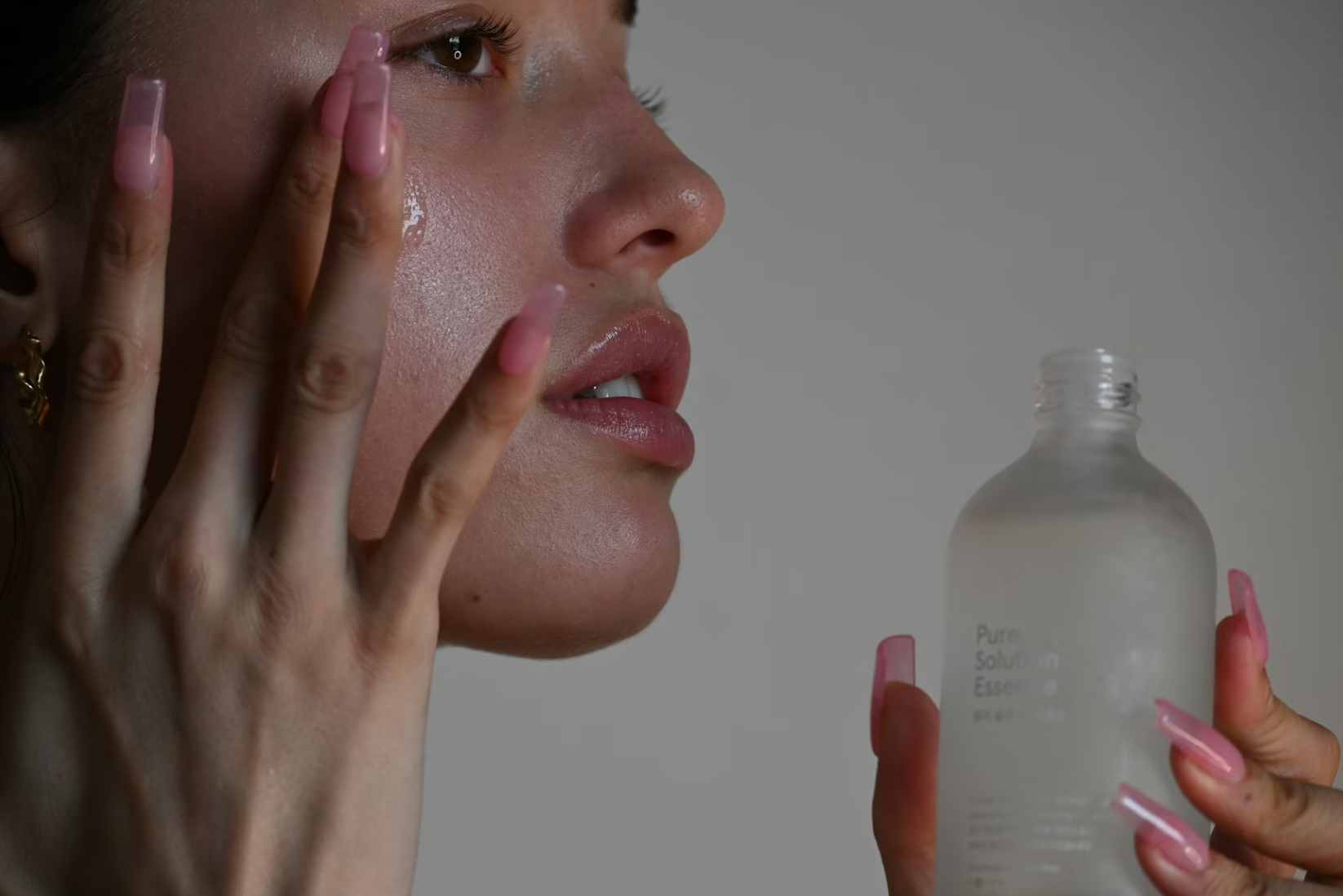
How to Build a Simple Skincare Routine for Beginners
The bathroom shelf can become surprisingly intimidating. One day, you are simply washing your face and applying whatever lotion is nearby. The next, you are staring at cleansers, toners, essences, serums, ampoules, exfoliating acids, retinoids, sleeping masks, face oils, and sunscreens that all seem to promise smoother, brighter, healthier-looking skin.
For a beginner, skincare can feel less like self-care and more like decoding a language you never signed up to learn.
The good news is that a good skincare routine does not need to be complicated. In fact, the best beginner routine is usually the simplest one. Before you worry about trendy ingredients or multi-step rituals, your skin needs a steady foundation: gentle cleansing, reliable moisture, and daily protection.
A simple skincare routine is not about doing less because you do not care. It is about doing the right things consistently, so your skin has the chance to feel balanced, comfortable, and supported.

Why Simple Skincare Works Best
When you are new to skincare, it is tempting to build an impressive routine right away. A serum for glow. A mask for texture. A toner for pores. A cream for firmness. A spot treatment for breakouts. A face oil because someone online said it changed everything.
The problem is that your skin does not always appreciate sudden enthusiasm.
Adding too many products at once can make it difficult to understand what is helping and what is irritating your skin. If redness, dryness, breakouts, or stinging appears, you may not know which product caused it. A simple routine gives you a clearer baseline.
Think of beginner skincare like building a wardrobe. You do not start with dramatic statement pieces before owning comfortable basics. First, you need the everyday essentials that work quietly in the background. Once those are right, everything else becomes easier to evaluate.
For skincare beginners, the essentials are cleanser, moisturizer, and sunscreen.
Know What Your Skin Actually Needs
Before buying products, it helps to pay attention to how your skin behaves during a normal day.
Does your face feel tight after washing? You may lean dry or your cleanser may be too harsh. Does your forehead become shiny by lunch? You may have oilier areas. Do your cheeks feel comfortable but your nose gets oily? You may have combination skin. Does your skin react easily to new products, fragrance, or weather changes? You may be more sensitive.
Skin types are useful, but they are not fixed identities. Your skin can change with weather, stress, age, travel, hormones, indoor heating, air conditioning, or the products you use. Instead of forcing yourself into one label forever, observe your skin’s current needs.
A beginner-friendly routine should make your skin feel clean but not tight, moisturized but not greasy, and protected during the day.
The Three-Step Beginner Routine
The simplest skincare routine has three core steps:
Cleanser
Moisturizer
Sunscreen
At night, sunscreen is not needed, so the routine becomes cleanser and moisturizer. That is enough for many beginners to start with.
This basic routine helps remove daily buildup, support the skin’s natural moisture barrier, and protect the skin from sun exposure. Once this foundation feels comfortable, you can decide whether extra products are truly necessary.
Step One: Cleanse Without Stripping
A cleanser removes sweat, oil, sunscreen, makeup, pollution, and daily buildup from the skin’s surface. But cleansing should not leave your face feeling squeaky, tight, or uncomfortable.
That overly clean feeling can sometimes mean the cleanser is too strong for your skin. When the skin feels stripped, it may become dry, irritated, or even oilier as it tries to rebalance.
For beginners, a gentle cleanser is usually the safest starting point. Look for descriptions such as gentle, non-stripping, hydrating, cream cleanser, gel cleanser, or fragrance-free if your skin is easily irritated.
If you have dry or sensitive skin, a cream or lotion cleanser may feel more comfortable. If you have oily or combination skin, a gentle gel cleanser may feel fresher. If you wear makeup or water-resistant sunscreen, you may prefer a cleansing balm or micellar water before your regular cleanser in the evening.
You do not need to scrub aggressively. Use lukewarm water, massage gently, and rinse well. Your face is not a kitchen counter. It does not need harsh friction to be clean.
Step Two: Moisturize to Support the Skin Barrier
Moisturizer is often misunderstood. Some beginners with oily skin skip it because they worry it will make them greasy. Others only use it when their face feels dry. But moisturizer is not just about adding softness. It helps support the skin barrier, which is the outer layer that helps keep moisture in and irritants out.
A good moisturizer should leave your skin feeling comfortable. Not heavy, not sticky, not tight. Just balanced.
Dry skin may prefer a richer cream. Oily skin may prefer a lightweight gel-cream or lotion. Combination skin may need a light layer all over with a little more product on drier areas. Sensitive skin often does best with simple formulas that avoid unnecessary fragrance or strong active ingredients.
Common beginner-friendly moisturizing ingredients include glycerin, hyaluronic acid, ceramides, squalane, and panthenol. These ingredients are widely used because they help with hydration, softness, and barrier support.
Moisturizer is the step that makes a routine feel finished. It is like closing the door after airing out a room: it helps everything settle.
Step Three: Use Sunscreen Every Morning
Sunscreen is the daytime step many beginners overlook, but it is one of the most important parts of a skincare routine.
Daily sunscreen helps protect the skin from ultraviolet exposure. It is especially important if you spend time outdoors, sit near sunny windows, use exfoliating products, or want to support an even-looking complexion over time.
For beginners, the best sunscreen is one you are willing to use consistently. Some people like lightweight fluid sunscreens. Others prefer moisturizing sunscreen creams. Some prefer mineral formulas, while others like chemical formulas because they may feel more transparent on the skin.
Look for broad-spectrum protection and choose a texture that suits your skin type. If sunscreen feels greasy, heavy, or leaves a cast you dislike, you may avoid using it. That does not mean sunscreen is not for you. It means that particular formula may not be the right match.
Apply sunscreen as the last step of your morning skincare routine, before makeup if you wear it.
Morning Routine for Beginners
A beginner morning routine should be quick enough to do even when you are tired, late, or not in the mood.
Start with cleansing if your skin feels oily or sweaty when you wake up. If your skin is dry or sensitive, you may prefer rinsing with water instead of using cleanser every morning. Then apply moisturizer while your skin is slightly damp. Finish with sunscreen.
A simple morning routine looks like this:
Cleanse or rinse
Apply moisturizer
Apply sunscreen
That is it. No complicated layering. No crowded shelf. No ten-minute process unless you enjoy it.
Evening Routine for Beginners
Your evening routine is about removing the day and helping your skin feel comfortable overnight.
Use a gentle cleanser to wash away sunscreen, oil, and buildup. If you wear makeup or a long-wear sunscreen, you may use a first cleanse, such as a cleansing balm or micellar water, before your regular cleanser. Then apply moisturizer.
A simple evening routine looks like this:
Remove makeup or heavy sunscreen if needed
Cleanse
Apply moisturizer
Night is also when many people eventually add treatment products, but beginners should not rush. Let your basic routine become steady first.
How to Choose Products Without Feeling Overwhelmed
Skincare shopping can be noisy. Packaging is persuasive. Product names sound scientific. Social media makes every new launch feel urgent. But beginners should shop with restraint.
Start by buying one product for each essential step. One cleanser, one moisturizer, one sunscreen. Choose products that match your skin type, budget, and comfort preferences.
Read the product description, but do not rely only on dramatic claims. Focus on practical details: Who is it for? Is it fragrance-free? Is it lightweight or rich? Is it designed for dry, oily, sensitive, or combination skin? Does the texture fit your routine?
Avoid buying a full routine of new products in one day if your skin is reactive. Introduce products gradually so you can notice how your skin responds.
A product does not need to be expensive to be useful. The best beginner product is not the most luxurious one. It is the one you will use consistently and comfortably.
Ingredients Beginners Can Look For
You do not need to memorize every skincare ingredient, but knowing a few gentle ones can make shopping easier.
Glycerin is a classic hydrating ingredient that helps attract water to the skin. Hyaluronic acid is also used for hydration and can make skin feel plumper, though it works best when sealed with a moisturizer. Ceramides help support the skin barrier. Panthenol can feel soothing and comforting. Squalane is a lightweight moisturizing ingredient that many skin types tolerate well.
Niacinamide is another popular ingredient that may support a more balanced-looking complexion, but some people prefer to start with lower concentrations if their skin is sensitive.
For beginners, gentle and consistent usually beats powerful and complicated.
Ingredients to Approach Slowly
Some ingredients can be useful, but they require more care. These include exfoliating acids, retinoids, benzoyl peroxide, and strong vitamin C formulas.
Exfoliating acids, such as glycolic acid, lactic acid, or salicylic acid, help remove dead surface cells, but overuse can lead to dryness or irritation. Retinoids are widely used in skincare routines, but they can be drying at first and should be introduced slowly. Benzoyl peroxide can be helpful in acne-focused routines, but it may also cause dryness and can bleach fabrics.
This does not mean beginners must avoid these ingredients forever. It simply means they should not be the foundation of your routine on day one.
If your skin is very reactive, or if you have persistent acne, eczema, rosacea, or another skin condition, it is wise to speak with a qualified dermatologist or healthcare professional before experimenting with strong actives.
Common Beginner Skincare Mistakes
One of the most common skincare mistakes is changing everything at once. When you replace your cleanser, moisturizer, sunscreen, serum, and exfoliant in the same week, your skin has no clear way to tell you what works.
Another mistake is over-cleansing. Washing too often or using harsh scrubs can leave the skin feeling tight and uncomfortable. Clean skin should feel refreshed, not punished.
Over-exfoliating is also common. Smooth skin is appealing, but exfoliating too often can weaken the skin barrier and create the very texture or irritation you were trying to improve.
A fourth mistake is expecting instant transformation. Skincare is not a magic filter. It is more like tending a small garden. You water, protect, adjust, and wait. Results depend on consistency, product fit, and your skin’s individual behavior.
Finally, beginners sometimes ignore sunscreen while investing in serums. This is like buying beautiful curtains but leaving the window open in a storm. Protection matters.
How Long to Give a Routine Before Judging It
A basic skincare routine needs time. Some comfort-related changes, such as less tightness after cleansing or better hydration, may be noticeable quickly. Other visible improvements take longer.
Give your cleanser and moisturizer at least a couple of weeks if they are not causing irritation. Sunscreen is a daily protection habit, so judge it mainly by comfort, finish, and whether you can wear it consistently.
When introducing a new product, use it for several days before adding another new one. This slow approach may feel less exciting, but it is much more practical.
If a product causes burning, swelling, intense redness, or discomfort that does not settle, stop using it. Mild adjustment is one thing. Clear irritation is another.
When to Add Extra Products
Once your basic routine feels stable, you can think about optional products.
A serum can be useful if you have a specific goal, such as hydration, dullness, uneven texture, or the appearance of fine lines. An exfoliant may help if your skin feels rough or congested, but it should be used carefully. A mask can be enjoyable, but it is rarely essential. Eye cream is optional too; many people simply use a suitable moisturizer around the eye area, avoiding direct contact with the eyes.
The key question is not “What else can I buy?” It is “What problem am I trying to solve?”
Every extra product should have a purpose. Otherwise, your routine becomes crowded without becoming more effective.
Building a Routine on a Budget
A beginner skincare routine does not need to be expensive. Spend first on the products you use every day: cleanser, moisturizer, and sunscreen.
You can save money by avoiding duplicate products. You probably do not need three cleansers or four moisturizers. You do not need every trending serum. You do not need a separate morning and evening moisturizer unless your skin truly prefers that.
Choose reliable basics, use them consistently, and replace products only when you understand what you want to improve.
Budget skincare works best when it is thoughtful. A simple routine with well-chosen products can be more useful than an expensive shelf full of formulas you rarely use.
A Simple Skincare Routine Example
Here is a beginner-friendly routine that can work as a starting framework.
In the morning, rinse your face with water or use a gentle cleanser if needed. Apply a lightweight moisturizer. Finish with broad-spectrum sunscreen.
In the evening, cleanse your face gently. If you wore makeup or heavy sunscreen, remove it first with a cleansing balm or micellar water. Apply moisturizer.
After a few weeks, review how your skin feels. Is it still dry? Consider a richer moisturizer. Is your sunscreen too shiny? Try a lighter formula. Are you comfortable but curious about improving texture? Consider a gentle exfoliant once a week, only after your basics are stable.
This approach keeps the routine calm, adjustable, and easy to maintain.
Final Takeaway
The best skincare routine for beginners is not the one with the most steps. It is the one that respects your skin, fits your daily life, and feels simple enough to repeat.
Start with cleanser, moisturizer, and sunscreen. Choose gentle products. Add slowly. Watch how your skin responds. Avoid chasing every trend. Let consistency do its quiet work.
Skincare should not feel like a performance. It should feel like a small, steady ritual that helps you care for your skin with more confidence and less confusion.
A simple routine is not basic in the negative sense. It is foundational. And for beginners, that foundation is exactly where healthy-looking, comfortable skin begins.
Conclusion
Building a simple skincare routine is less about perfection and more about clarity. When you understand what each step does, shopping becomes easier, your routine becomes calmer, and your skin has fewer surprises to process.
Begin with the essentials. Cleanse gently, moisturize thoughtfully, and protect your skin every morning with sunscreen. Once those habits feel natural, you can decide whether your skin needs anything more.
In a beauty world full of noise, simplicity can be the most elegant choice.
FAQs
What is the best skincare routine for a complete beginner?
The best beginner skincare routine includes a gentle cleanser, a moisturizer, and sunscreen in the morning. At night, use cleanser and moisturizer. This gives your skin a simple foundation before adding optional products.
Do I need a toner as a beginner?
A toner is optional. Some toners can add hydration or help prepare the skin for other products, but they are not necessary for a basic routine. Beginners should focus first on cleanser, moisturizer, and sunscreen.
How many skincare products should a beginner use?
Most beginners can start with three products: cleanser, moisturizer, and sunscreen. If you wear makeup or heavy sunscreen, you may also want a makeup remover or cleansing balm for the evening.
Can I start using serums right away?
You can, but it is usually better to wait until your basic routine feels stable. Serums should be chosen for a specific purpose, such as hydration or uneven-looking texture, rather than added just because they are popular.
How do I know if a skincare product is not working for me?
A product may not be right for you if it causes persistent stinging, burning, redness, tightness, clogged pores, or discomfort. Stop using products that clearly irritate your skin, and consider professional advice if reactions continue.

You May Also Like
How to Choose Personal Care Products for Daily Use
Skincare Ingredients Explained: What Should You Look For?