How to Choose the Right Moisturizer for Your Skin Type
Choosing a moisturizer sounds simple until you are standing in front of a shelf filled with gels, creams, lotions, balms, barrier repair formulas, oil-free options, fragrance-free jars, and elegant little tubes that all promise softer, smoother, more comfortable skin. The truth is that moisturizer is one of the most basic products in a skincare routine, but it is also one of the easiest to choose poorly. A formula that makes one person look fresh and balanced can make another person feel greasy by lunch or tight by bedtime.
The right moisturizer does not need to be the most expensive one in the aisle. It does not need to have the longest ingredient list or the most fashionable packaging. A good moisturizer should support your skin, feel comfortable enough to use consistently, and match the way your skin behaves in real life. That means paying attention to your skin type, your environment, your routine, and your personal preferences.
For many shoppers, the biggest mistake is choosing based on trends rather than needs. A rich cream may look luxurious, but it may feel heavy on oily skin. A lightweight gel may look refreshing, but it may not give dry skin enough comfort in cold weather. The smartest choice starts with understanding what moisturizer actually does and how different textures and ingredients work for different skin types.
What a Moisturizer Actually Does
At its simplest, moisturizer helps reduce water loss from the skin and improves the feeling of comfort on the surface. Healthy-looking skin depends on a strong skin barrier, which is the outer layer that helps keep moisture in and irritants out. When that barrier feels disrupted, skin may look flaky, dull, shiny in some areas, rough in others, or more easily irritated.
Most moisturizers work through a blend of three ingredient types: humectants, emollients, and occlusives.
Humectants attract water. Common examples include glycerin, hyaluronic acid, aloe, and panthenol. These ingredients can help skin feel plumper and more hydrated, especially when layered under ingredients that help seal in moisture.
Emollients soften and smooth the skin surface. Ingredients such as squalane, fatty alcohols, plant oils, and certain esters can help reduce roughness and improve the feel of the skin.
Occlusives create a protective layer that helps slow moisture loss. Petrolatum, mineral oil, dimethicone, and shea butter can all serve this role in different formulas. These ingredients are especially useful for very dry skin, but the texture can feel too heavy for some oily or combination skin types.
A balanced moisturizer may contain all three categories. The difference is usually in the ratio. Lightweight gels often focus more on humectants. Creams usually include more emollients. Balms and richer formulas often contain a stronger occlusive element.
Start by Understanding Your Skin Type
Before buying a moisturizer, observe your skin for a few days without immediately blaming a product. Wash your face with a gentle cleanser, wait about an hour without applying skincare, and notice how your skin feels.
If your face feels tight, looks flaky, or absorbs moisturizer quickly, you may have dry skin. If your face becomes shiny across most areas, especially the forehead, nose, and cheeks, you may have oily skin. If your T-zone gets oily but your cheeks feel normal or dry, you likely have combination skin. If your skin stings easily, becomes red, or reacts to fragrance or strong actives, you may have sensitive skin. If your skin feels comfortable most of the time and does not get extremely oily or dry, you may have balanced or normal skin.
Skin type is not fixed forever. Weather, age, hormones, cleansing habits, exfoliation, travel, and indoor heating or air conditioning can all change how your skin behaves. That is why many people benefit from owning more than one moisturizer: a lighter option for humid days and a richer one for dry or cold conditions.
Best Moisturizer Texture for Dry Skin
Dry skin usually needs more than a watery gel. If your skin feels tight after cleansing or looks dull and flaky, look for a cream or richer lotion that combines humectants with emollients and barrier-supporting ingredients.
Helpful ingredients may include glycerin, hyaluronic acid, ceramides, squalane, shea butter, panthenol, and fatty alcohols such as cetyl alcohol or stearyl alcohol. Despite the word alcohol, fatty alcohols are not the same as drying alcohols. They are often used to make creams feel smooth and nourishing.
Dry skin shoppers should pay close attention to texture. A moisturizer that disappears instantly may feel elegant, but it may not provide enough lasting comfort. A good dry-skin moisturizer should leave the skin feeling cushioned, not suffocated. If your skin still feels tight ten minutes after applying, the formula may be too light, or you may need to apply it over slightly damp skin.
For very dry areas, a thicker cream at night can be useful. Some people also use a small amount of balm over moisturizer on areas like the cheeks or around the nose during harsh weather. The goal is not to coat the face heavily every day, but to give dry areas the extra support they need.
Best Moisturizer Texture for Oily Skin
Oily skin still needs moisturizer. Skipping moisturizer because your face gets shiny can sometimes lead to a cycle of over-cleansing and discomfort. The key is choosing a formula that hydrates without leaving a heavy film.
Look for gel creams, oil-free lotions, or lightweight moisturizers that mention non-comedogenic positioning. While that term does not guarantee a product will work for everyone, it suggests the formula was designed with pore-clogging concerns in mind.
Ingredients such as glycerin, hyaluronic acid, niacinamide, panthenol, and lightweight silicones like dimethicone can be useful in oily-skin formulas. A good moisturizer for oily skin should feel breathable, settle quickly, and work comfortably under sunscreen or makeup.
Avoid assuming that every oil is bad or every cream is wrong. Some oily skin types can tolerate lightweight emollients, especially in winter or after using exfoliating products. Still, very rich butters and heavy balms may feel too much for daily daytime use.
A helpful shopping test is to think about your day. If your skin becomes shiny within two hours of applying moisturizer, the formula may be too rich. If your skin feels fresh at first but tight later, the formula may be hydrating but not supportive enough. The right moisturizer should keep skin comfortable without making you feel like you need blotting paper immediately.
Best Moisturizer Texture for Combination Skin
Combination skin can be the most confusing because different areas of the face seem to follow different rules. The forehead and nose may look oily, while the cheeks feel dry or sensitive. In this case, one perfect moisturizer may be hard to find, but a flexible approach works well.
Start with a medium-weight lotion or gel cream. The ideal formula should hydrate the whole face without overwhelming the oily areas. Look for balanced ingredients like glycerin, panthenol, squalane, niacinamide, and ceramides in a lightweight base.
You can also apply moisturizer strategically. Use a thinner layer on the T-zone and a slightly thicker layer on the cheeks. If your cheeks are noticeably dry, keep a richer cream for those areas at night rather than forcing one heavy product over the entire face.
Combination skin often changes with the seasons. In humid months, a gel cream may be enough. In cooler weather, a lotion or cream may feel better. Instead of searching for one product to solve every condition, build a small wardrobe of textures that can be adjusted.
Best Moisturizer Texture for Sensitive Skin
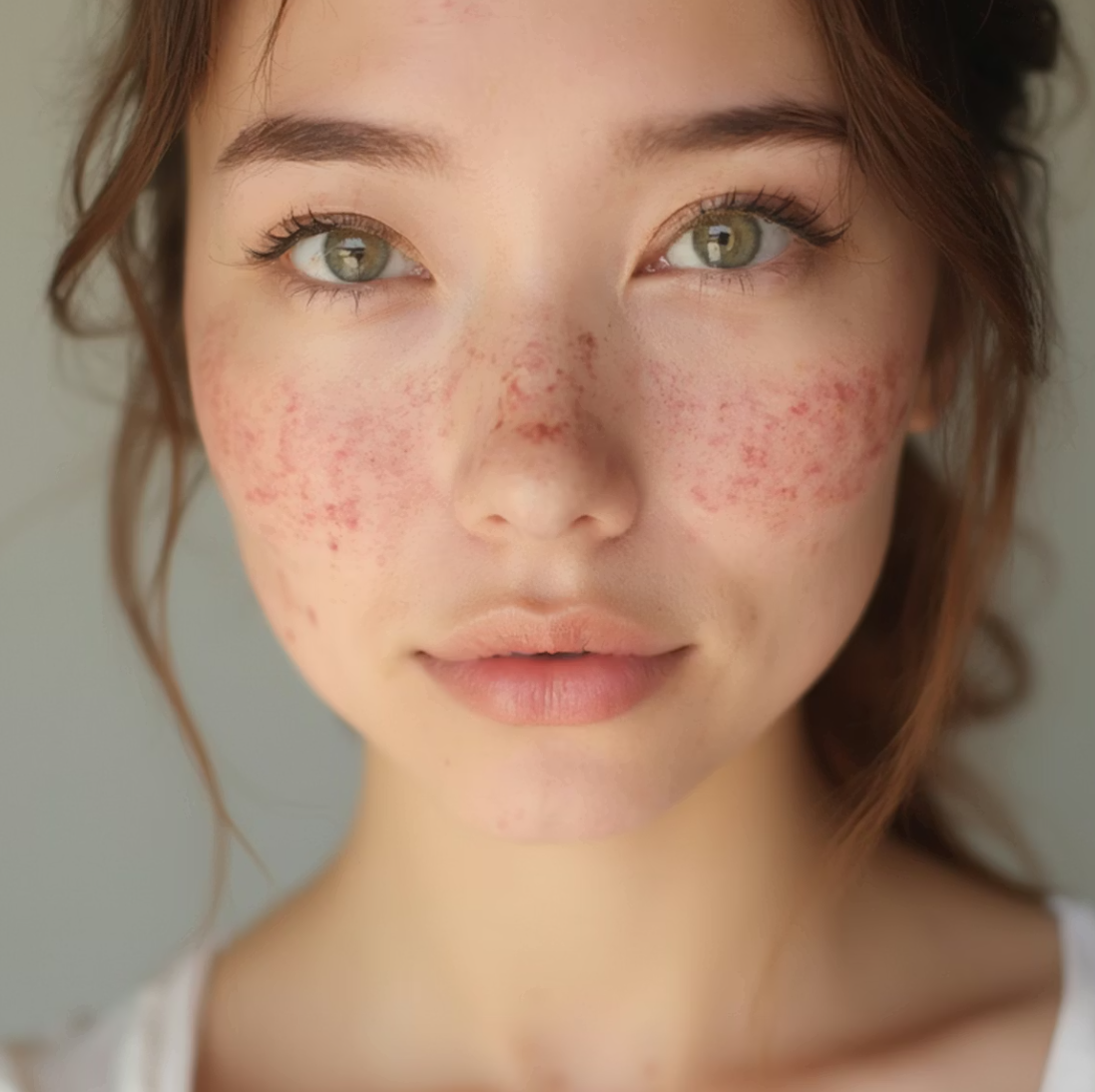
Sensitive skin needs simplicity. If your skin often reacts with stinging, redness, burning, or discomfort, choose moisturizers with a short, gentle-looking ingredient list and avoid formulas that are heavily fragranced or packed with multiple strong actives.
Fragrance-free products are often a safer starting point for sensitive skin. This includes both synthetic fragrance and fragrant essential oils, which can be irritating for some people. Look for soothing and barrier-supportive ingredients such as ceramides, colloidal oatmeal, panthenol, allantoin, glycerin, and squalane.
Sensitive skin shoppers should also be careful with trendy multi-tasking formulas. A moisturizer that includes exfoliating acids, retinoids, vitamin C, fragrance, and botanical extracts may sound efficient, but it can be too much if your skin is reactive. For sensitive skin, the moisturizer’s main job should be comfort and barrier support.
Patch testing is a smart habit. Apply a small amount of product to a discreet area, such as the side of the face or behind the ear, for a few days before using it all over. This does not guarantee a perfect result, but it can help reduce the chance of an unpleasant surprise.
If irritation is persistent, severe, or sudden, it is wise to seek professional guidance rather than trying product after product.
Best Moisturizer Texture for Balanced or Normal Skin
Balanced skin has more flexibility, but that does not mean every moisturizer will feel right. If your skin is not especially dry or oily, you can choose based on lifestyle, climate, and finish.
A lightweight lotion or gel cream is often enough for daytime, especially under sunscreen. At night, you may prefer a slightly richer cream for comfort. Look for formulas that include humectants for hydration and light emollients for softness.
Normal skin can still become dehydrated, dull, or temporarily sensitive from over-exfoliation, weather changes, or frequent cleansing. Keeping a basic, reliable moisturizer in your routine helps maintain consistency. You do not need a complicated formula unless your skin has a specific concern.
The main mistake for balanced skin is overcomplicating the routine. When skin is already comfortable, adding too many active ingredients can create problems that were not there before. A simple moisturizer that feels good and layers well may be the smartest choice.
Acne-Prone Skin Considerations
Acne-prone skin can be oily, dry, combination, or sensitive. That means there is no single moisturizer category for every acne-prone shopper. The best choice depends on how your skin feels and what other products are in your routine.
If you use acne-focused products that can be drying, a barrier-supportive moisturizer may help reduce tightness and flaking. Look for lightweight, non-comedogenic formulas with ingredients like glycerin, ceramides, niacinamide, panthenol, and dimethicone.
Avoid using moisturizer as an acne treatment unless it is specifically designed for that purpose. A moisturizer can support the skin barrier, but it should not be expected to replace a targeted routine. Also be cautious with heavy oils, thick balms, and very rich creams if you know your skin clogs easily.
The best acne-prone moisturizer is usually one that does not make the skin feel congested, does not sting when applied, and helps you stay consistent with the rest of your routine.
How Climate and Season Change Your Moisturizer Needs
Your skin does not live in a vacuum. A moisturizer that works beautifully in a humid summer may feel too light in a dry winter. Air conditioning, indoor heating, travel, and long flights can all affect how much moisture your skin seems to need.
In humid climates, lighter gel creams and lotions often feel more comfortable. In dry or cold climates, creams with more emollients and occlusives may be better. If you spend long hours in air-conditioned rooms, your skin may need more support even if the weather outside is warm.
A practical approach is to use a lighter moisturizer in the morning and a richer one at night when needed. You can also adjust the amount rather than changing the product completely. One thin layer may be enough on a normal day, while a slightly thicker layer may help after sun exposure, travel, or a long day indoors.
Ingredients Worth Looking For
Instead of chasing every new skincare trend, focus on ingredients that match your skin’s needs.
Glycerin is a classic humectant that works well across many skin types. Hyaluronic acid can help attract water and create a plumper feel, though it works best when paired with ingredients that help seal moisture in. Ceramides support the skin barrier and are especially useful for dry or sensitive skin. Niacinamide can be helpful in many formulas because it supports a more balanced-looking complexion, although not everyone tolerates it equally. Panthenol is often used for comfort and hydration. Squalane is a lightweight emollient that many skin types find pleasant.
For richer support, shea butter, petrolatum, mineral oil, and dimethicone can be useful, especially in formulas designed for dryness. The right choice depends on your skin type and texture preference.
Ingredients and Claims to Approach Carefully
Not every impressive phrase on a label matters. Words like clean, luxury, advanced, or glow do not automatically tell you whether a moisturizer will suit your skin. Focus less on marketing language and more on texture, ingredient balance, and how the product fits your routine.
Fragrance can make a product feel beautiful, but it may not be ideal for sensitive or easily irritated skin. Essential oils can also be problematic for some users, even when they are presented as natural. Strong exfoliating acids in a daily moisturizer may be useful for some people, but they can be too much if you already use exfoliants elsewhere.
Also be cautious with moisturizers that promise dramatic results. A moisturizer can improve comfort, hydration, softness, and the look of dryness, but it cannot change your skin overnight. Realistic expectations make shopping easier and help you avoid disappointment.
How to Test a Moisturizer Before Committing
A moisturizer should be judged over several days, not just by the first impression. Many formulas feel wonderful when first applied but become too shiny, too sticky, or not hydrating enough after a few hours.
Notice how it performs at three moments: immediately after application, midway through the day, and the next morning if used at night. Does your skin feel comfortable? Does the product pill under sunscreen? Does it make makeup slide? Does it sting? Does it leave dry patches behind?
If possible, start with a travel size or sample. This is especially useful if you have sensitive or acne-prone skin. If you buy a full size, avoid introducing several new products at once. When too many things change, it becomes difficult to know what is helping or causing irritation.
How Much Moisturizer Should You Use?
More is not always better. For the face, a pea-sized to nickel-sized amount is often enough, depending on texture and skin dryness. A watery gel may spread easily, while a thicker cream may require less product.
Apply moisturizer to slightly damp skin after cleansing or after a hydrating serum. This can help the product spread more comfortably. In the morning, let it settle before applying sunscreen. At night, use it as one of the final steps in your routine.
If your skin feels greasy, try using less before replacing the product. If your skin feels tight, try applying a little more or layering it over a hydrating step. Sometimes the issue is not the formula itself, but the amount or order of application.
Common Moisturizer Mistakes to Avoid
One common mistake is choosing based only on skin type labels. A product marked for dry skin may still feel too heavy for you, and a product marked for oily skin may not be enough if your barrier is compromised. Labels are a starting point, not a final answer.
Another mistake is ignoring sunscreen compatibility. A daytime moisturizer should layer smoothly under sunscreen. If it pills, feels sticky, or makes sunscreen difficult to apply evenly, it may not be the best morning option.
Many shoppers also switch products too quickly. Unless a product causes clear irritation, give it enough time to judge comfort and texture. On the other hand, do not force yourself to finish a moisturizer that consistently stings, clogs, or makes your skin uncomfortable.
Finally, avoid treating price as proof of quality. A beautifully packaged cream can be enjoyable, but the best moisturizer is the one that suits your skin, your routine, and your budget.
How to Choose Smarter When Shopping Online
When shopping online, read beyond the headline claims. Look at the texture description, key ingredients, fragrance status, and intended skin type. Reviews can be helpful, but focus on comments from people who describe skin similar to yours.
Look for patterns rather than single opinions. If many reviewers with oily skin say a cream feels heavy, take note. If many dry-skin users say a gel is refreshing but not enough in winter, that is useful context. At the same time, remember that skincare is personal. A product can be well-formulated and still not be right for you.
For affiliate-style buying guides, the most helpful comparison points are texture, finish, ingredient focus, skin type match, packaging style, and use case. Is it better for daytime or nighttime? Does it suit makeup wearers? Is it fragrance-free? Is it better for humid weather or dry air? These practical details matter more than vague praise.
A Simple Moisturizer Matching Guide
For dry skin, start with a cream or rich lotion that includes humectants, emollients, and barrier-supportive ingredients. For oily skin, try a gel cream or lightweight lotion with a breathable finish. For combination skin, choose a balanced lotion and adjust the amount by area. For sensitive skin, begin with a fragrance-free, simple formula focused on comfort. For normal skin, choose based on texture preference and climate. For acne-prone skin, look for lightweight, non-comedogenic positioning and avoid formulas that feel heavy or irritating.
The best moisturizer is not always the one with the most dramatic claims. It is the one that quietly does its job every day.
Conclusion
Choosing the right moisturizer for your skin type is less about following trends and more about learning your skin’s language. Tightness, shine, flaking, stinging, and comfort are all clues. Once you understand what your skin is asking for, the crowded skincare shelf becomes easier to navigate.
A smart moisturizer should support your skin barrier, match your preferred texture, work with your climate, and fit naturally into your daily routine. Dry skin may appreciate richer creams. Oily skin may prefer lightweight gels. Combination skin may need flexibility. Sensitive skin often benefits from simplicity. And every skin type deserves a formula that feels comfortable enough to use consistently.
Think of moisturizer as the quiet tailoring of your skincare routine. It may not be the flashiest step, but when it fits well, everything else feels better.
FAQs
What is the best moisturizer for beginners?
The best moisturizer for beginners is usually a simple, gentle formula that matches your skin type. A lightweight lotion or gel cream works well for normal, oily, or combination skin, while dry skin may need a richer cream. Beginners should avoid starting with heavily fragranced formulas or moisturizers packed with too many active ingredients.
Should oily skin use moisturizer every day?
Yes, oily skin can still benefit from daily moisturizer. The key is choosing a lightweight, breathable formula that hydrates without feeling greasy. Skipping moisturizer may leave skin feeling uncomfortable, especially if you use cleansers, exfoliants, or acne-focused products.
How do I know if my moisturizer is too heavy?
A moisturizer may be too heavy if your skin feels greasy for hours, your makeup slides more than usual, your pores feel congested, or the product sits on top of the skin instead of settling comfortably. Try using a smaller amount first. If it still feels heavy, consider a lighter lotion or gel cream.
Can I use the same moisturizer day and night?
Yes, you can use the same moisturizer day and night if it feels comfortable and works well with your routine. However, some people prefer a lighter moisturizer during the day and a richer one at night, especially in dry weather or when their skin needs extra comfort.
Is fragrance-free moisturizer better?
Fragrance-free moisturizer is often a good choice for sensitive, reactive, or easily irritated skin. Fragrance is not automatically bad for everyone, but it can increase the chance of discomfort for some users. If your skin often stings or turns red, fragrance-free is usually a safer starting point.

You May Also Like
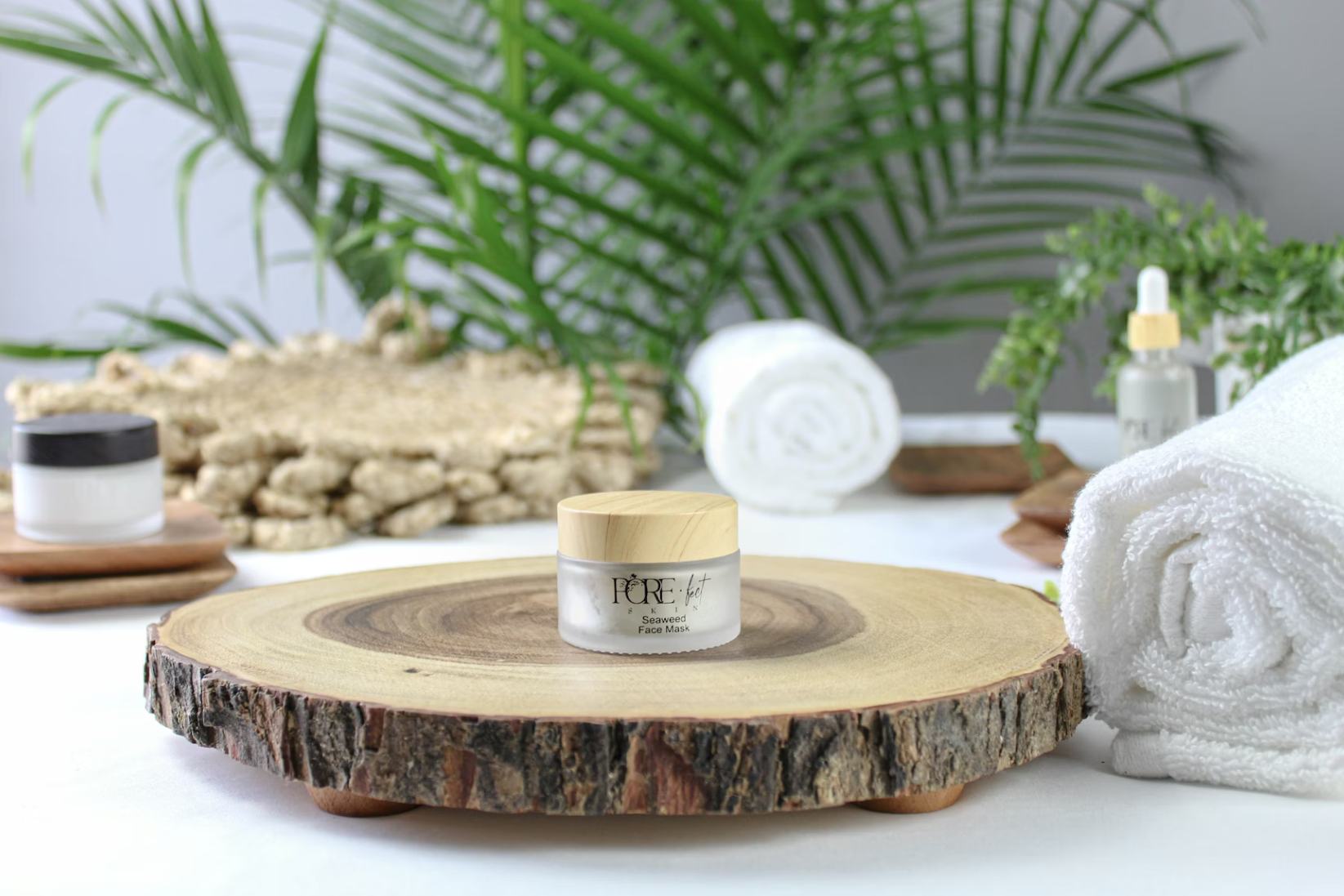
Skincare Ingredients Explained: What Should You Look For?
Sensitive Skin Buying Guide: What to Avoid and What to Choose